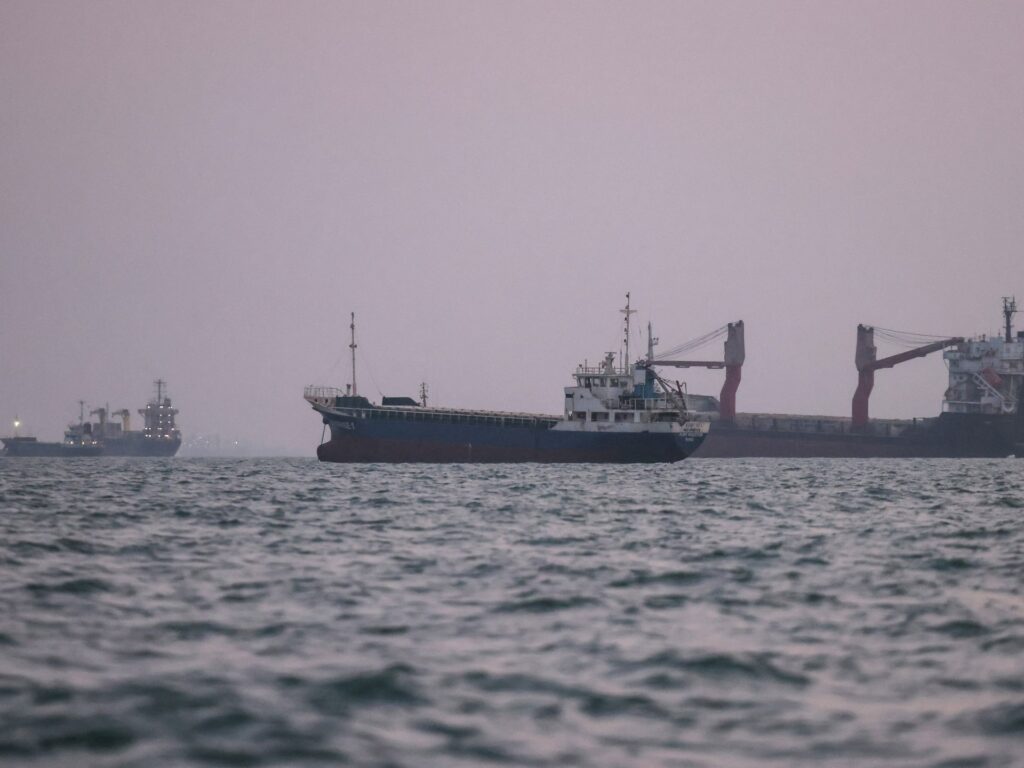
The months-long conflict between the United States and Iran has escalated into a dangerous tanker war in the Strait of Hormuz, a crucial maritime chokepoint where global oil shipments are funneled. Both nations have engaged in attacks on tankers passing through this narrow waterway, intensifying tensions and raising concerns about the stability of global energy supplies and regional security.
The Strait of Hormuz, located between the Persian Gulf and the Gulf of Oman, is one of the world’s most strategically important waterways, accounting for about 20% of the world’s petroleum liquids trade. Control over this passage is vital for Iran and the US, each seeking to assert dominance in the region amidst broader geopolitical rivalries.
The conflict began to intensify several months ago as US sanctions on Iran tightened, aiming to curb Tehran’s nuclear ambitions and influence in the Middle East. In response, Iran has reportedly targeted tankers bound for or departing from Gulf countries, disrupting maritime traffic and signaling its willingness to resist US economic and military pressure.
Recent incidents have involved explosions aboard tankers, seaborne attacks, and sabotages attributed to both sides. The US has accused Iran of orchestrating assaults on allied commercial vessels, while Iran condemns US naval presence as provocative and claims to be defending its territorial waters.
Experts warn that the tanker war risks spiraling into a broader military confrontation, which would destabilize an already volatile region. The increased risk of maritime accidents also threatens international efforts to ensure safe passage for vessels carrying vital energy supplies.
Diplomatic efforts to deescalate tensions have so far been limited and largely unsuccessful. The US continues to emphasize maximum pressure on Iran while keeping a significant naval presence in the Gulf. Meanwhile, Iran leverages asymmetric tactics, including attacks on shipping, to challenge US influence without engaging in outright warfare.
The international community watches closely as the conflict unfolds, aware that any major disruption in the Strait of Hormuz could cause global energy markets to spike, impacting economies worldwide. Regional allies, including Gulf Cooperation Council members, also remain on high alert to safeguard their economic interests.
Looking ahead, the trajectory of the US-Iran tanker war remains uncertain. The conflict could either escalate further, drawing in additional regional and global powers, or lead to negotiated compromises to restore safer passage.
The strategic importance of the Strait of Hormuz ensures it will remain a flashpoint for US-Iran tensions. The months-long tanker conflict is a stark reminder of how fragile global energy security can be in the face of geopolitical rivalries, underscoring the urgent need for diplomatic engagement to prevent further escalation.