Tunisia is currently facing significant criticism over its ongoing prosecution of journalists under the administration of President Kais Saied. The recent arrest of a prominent journalist marks a troubling development in what is seen by many as a broader crackdown on government critics. Since President Saied came into power, there have been increasing concerns about the erosion of press freedoms and the stifling of dissenting voices in the country.
The journalist’s detention has sparked outrage among human rights organizations and press freedom advocates both within Tunisia and internationally. They argue that such actions threaten democratic principles and the right to free speech, cornerstones of a healthy society. This pattern of arrests and prosecutions has contributed to a growing atmosphere of fear and self-censorship among media professionals in Tunisia.
Critics point to a series of measures implemented by President Saied’s government that have tightened control over the media landscape. These measures include restrictive laws, surveillance of journalists, and judicial actions that aim to intimidate investigative reporters. The government, on the other hand, claims these actions are necessary to maintain stability and combat false information.
The international community has expressed alarm at Tunisia’s trajectory, urging the government to respect freedom of expression and release detained journalists. The prosecutions are seen not only as an attack on individuals but as a threat to the fundamental openness of Tunisian society. Observers warn that continued suppression of the press could lead to a downward spiral affecting the country’s democratic gains made since the Arab Spring.
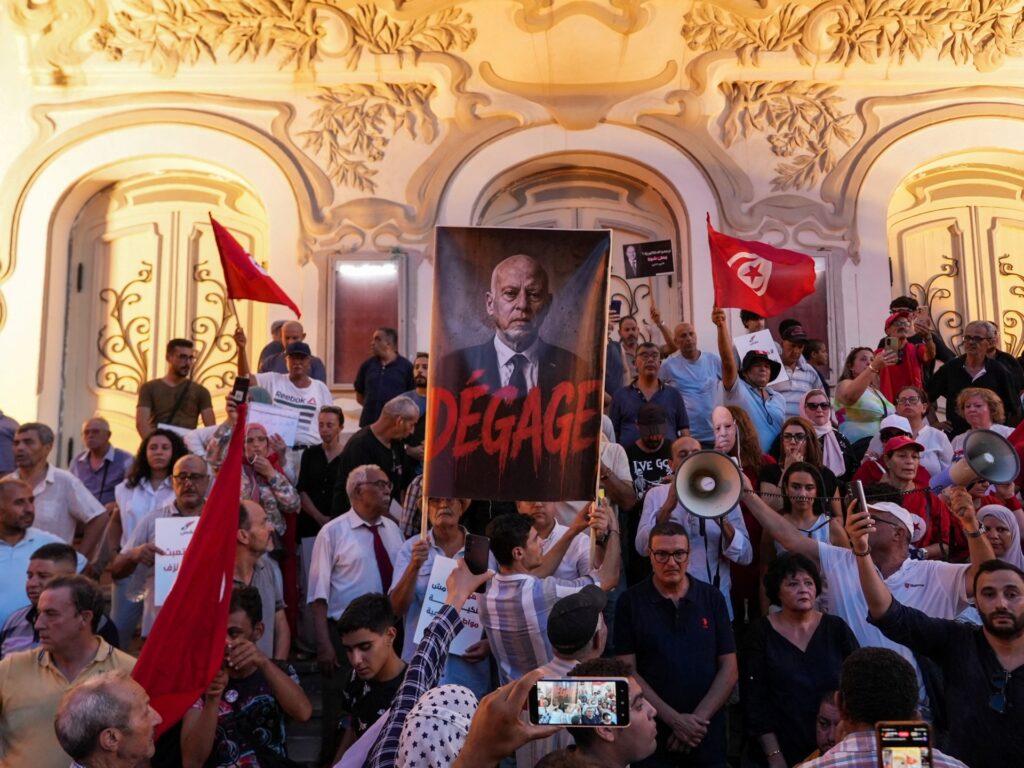
Amid these developments, Tunisian civil society groups are mobilizing to defend journalistic rights and uphold the principles of transparency and accountability. They emphasize the importance of an independent press in fostering dialogue and ensuring that the government remains answerable to its citizens.
The recent arrest serves as a stark reminder of the ongoing tensions between authority and free expression in Tunisia. As the country navigates its complex political landscape, the treatment of journalists and critics will remain a critical indicator of its commitment to democracy and human rights.