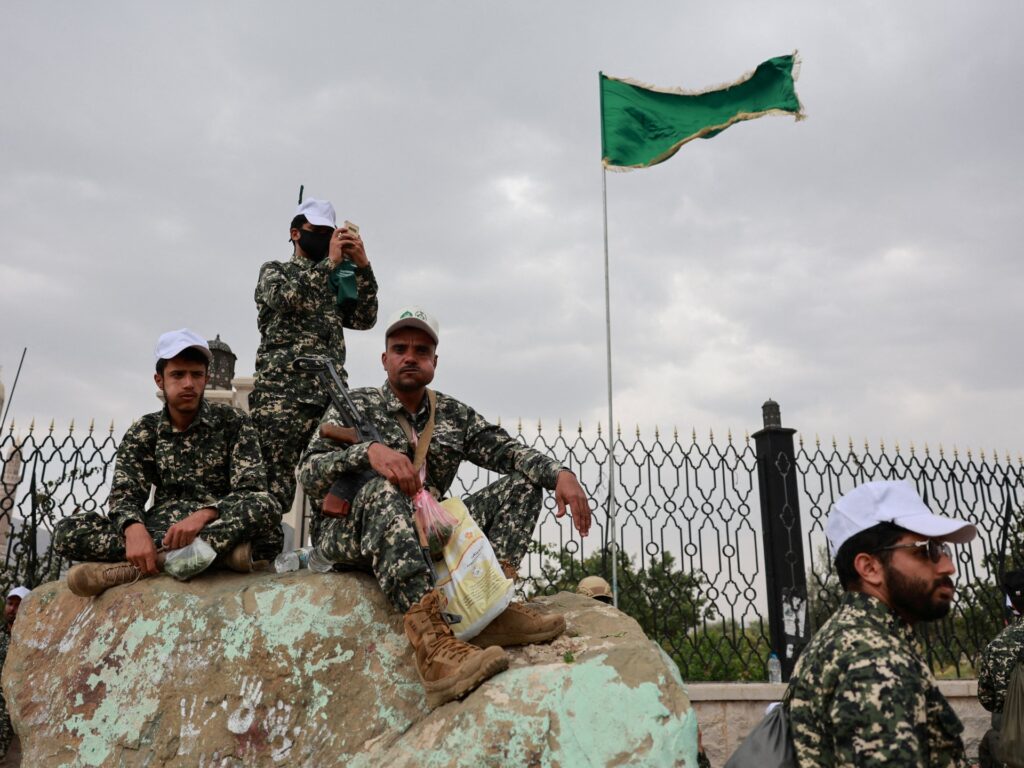
Recent escalations in government-Houthi clashes in Yemen’s southern city of Taiz have led to a significant increase in violence, causing thousands of residents to flee their homes and triggering a new wave of internal displacement. Taiz, a strategic urban center located near the Red Sea coast, has long been a focal point of conflict, but the latest surge in attacks marks one of the most intense periods of fighting in recent months.
The conflict in Taiz has intensified primarily due to increased Houthi attacks targeting government-controlled positions and critical infrastructure. This escalation is not only endangering the lives of civilians but also threatening key roadways that link the city to vital supply routes leading to the Red Sea coast. The disruption of these transport arteries risks exacerbating humanitarian challenges by hindering the flow of goods and aid into the region.
Thousands of residents have been uprooted as fierce clashes and artillery shelling make it unsafe to remain in their homes. Humanitarian agencies warn that the newly displaced populations face urgent needs, including shelter, food, clean water, and medical services. The displacement adds to an already dire humanitarian situation in Yemen, where years of conflict have devastated infrastructure and crippled the economy.
Local authorities have expressed grave concern over the deteriorating security situation and the limited capacity to protect civilians and maintain essential services. The roadways threatened by the fighting are critical not only for local commerce but also for international aid delivery, underscoring the wider implications of the conflict’s expansion.
Efforts by international organizations to mediate ceasefire agreements have so far yielded limited results, with sporadic violence continuing unabated. The doubling down of hostilities in Taiz highlights the fragile nature of peace talks and the urgent need for renewed diplomatic engagement.
The displacement from Taiz is contributing to increased pressure on nearby regions, as families seek refuge in camps and urban centers that are themselves struggling to accommodate the influx. Humanitarian agencies are calling for increased funding and access to assist those affected by the crisis.
As the conflict enters a critical phase, the international community faces a pressing challenge to prevent further deterioration and to support peacebuilding initiatives. Without immediate intervention and a tangible reduction in hostilities, the situation in Taiz risks spiraling into an even larger humanitarian catastrophe.
In summary, the escalation of Houthi attacks on Taiz is causing widespread displacement and threatening vital infrastructure, further destabilizing an already fragile region. The urgent need for ceasefire, humanitarian assistance, and renewed peace efforts is paramount to mitigate the human suffering and to pave the way toward stability in Yemen.