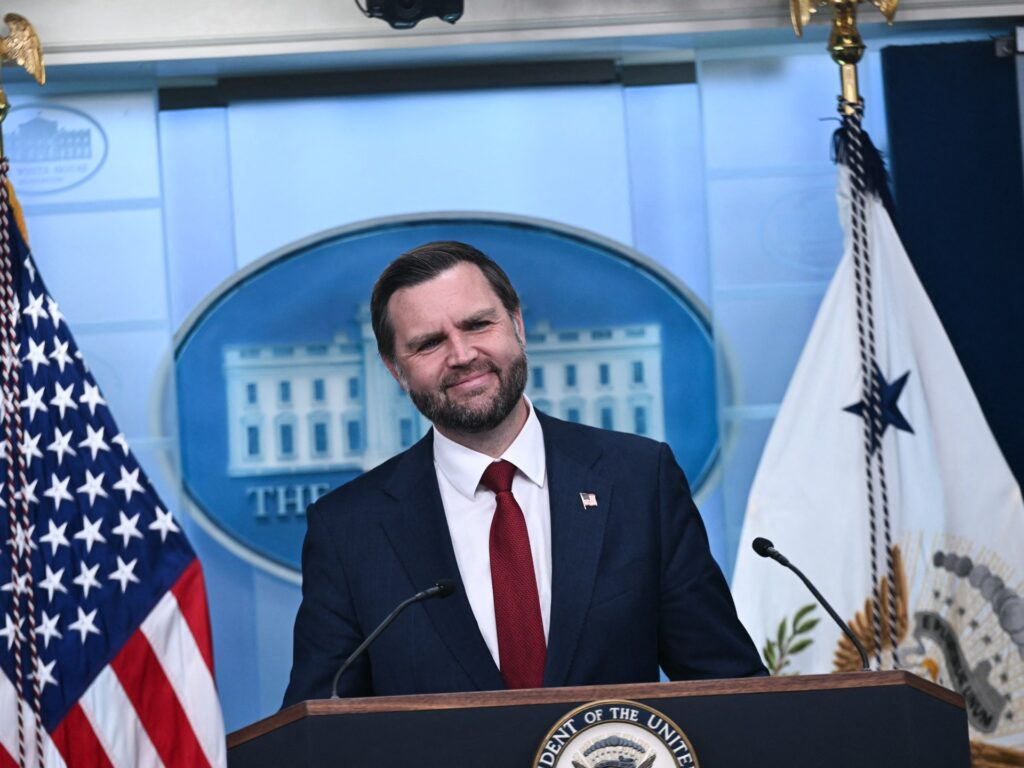
In a recent White House briefing, US Vice President JD Vance expressed skepticism regarding the classification of the ongoing conflict with Iran as a war, despite recent escalations. The Trump-era official refrained from offering a timeline on when the hostilities might conclude, highlighting the complex and uncertain nature of the geopolitical tension.
JD Vance’s remarks come amid heightened tensions following a flare-up in the region, which has prompted global concern about the potential for prolonged conflict. However, Vance’s cautious stance reflects a broader hesitancy within parts of the US administration to immediately define the situation as a full-scale war.
During the briefing, Vance emphasized the importance of analyzing the evolving situation carefully and maintaining a strategic approach. “We are dealing with a multifaceted issue that requires measured responses,” he stated, underscoring the challenges of predicting conflict trajectories.
The vice president’s comments also diverged from some international voices calling for swift resolution and peace negotiations. Instead, he highlighted the need for continued diplomatic efforts alongside military preparedness.
Experts note that Vance’s skepticism may stem from the complex nature of modern conflicts, which often blur the lines between conventional warfare and other forms of engagement such as proxy actions and cyber warfare.
The Trump official’s approach suggests a focus on long-term strategies rather than quick fixes, indicating that any resolution to tensions with Iran could take an extended period.
Analysts have welcomed the measured tone, suggesting that avoiding premature declarations of war could prevent unnecessary escalations and help maintain diplomatic channels.
Despite the lack of a definitive timeline, the US administration remains vigilant, monitoring developments closely while pursuing a dual track of diplomacy and defense.
The current situation underscores the delicate balance the US faces in addressing security concerns in the Middle East while managing international diplomatic relations.
As the conflict’s status remains ambiguous, JD Vance’s remarks serve as a reminder of the complexities involved in modern international conflict management.
Observers are advised to stay attentive to future updates as the US government continues to navigate this challenging geopolitical landscape without rushing to define the situation prematurely.
In summary, JD Vance’s refusal to commit to a specific timeline for the end of tensions with Iran reflects a cautious and strategic posture from the US, prioritizing careful analysis and multi-faceted engagement over hasty conclusions.