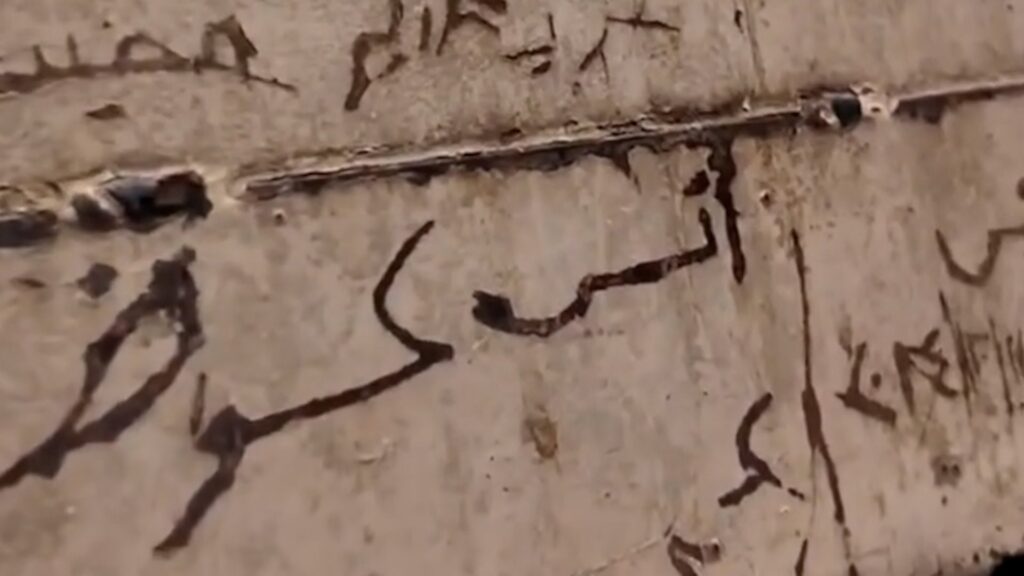
In a poignant and emotional moment at a Damascus exhibition, a Syrian woman identified her missing brother’s name on a prison cell door, sparking a heartfelt plea that resonated with many attendees. The exhibit, which focuses on the harrowing experiences within Syrian prisons, has brought to light personal stories of loss, disappearance, and hope.
The woman’s discovery came as she walked through the exhibit dedicated to showcasing the realities of incarceration and human rights abuses in Syria. The prison cell doors on display bear the names of individuals who have been detained or disappeared, serving as a solemn reminder of the ongoing conflict and its toll on Syrian families.
As she pointed to the door bearing her brother’s name, she quietly asked, “Can I take the door?” Her plea captured the emotional gravity of the moment — a daughter’s hope to reclaim a piece of her family’s painful history and to keep the memory of her loved one alive.
This exhibit is more than an artistic display; it is a testament to the resilience of those affected by the Syrian conflict. It brings awareness to the plight of detainees and disappeared persons, many of whom remain unaccounted for. Family members like this woman continue to seek answers and recognition for their loved ones, often facing silence and uncertainty.
The Syrian conflict, ongoing since 2011, has led to countless human rights violations, including arbitrary arrests, torture, and enforced disappearances. Exhibitions like this play a crucial role in documenting these atrocities, fostering public awareness, and supporting calls for justice and accountability.
Attendees of the Damascus exhibit have expressed deep emotions, with many moved by the personal stories behind each prison cell door. The exhibit serves both as a memorial and a call to action, urging the international community to acknowledge and address the suffering endured by Syrians.
In witnessing this woman’s plea, visitors are reminded of the human faces behind the headlines — stories of loss, endurance, and the unyielding hope for truth and reconciliation. The exhibit ultimately underscores the power of memory and the importance of bearing witness to history to ensure such tragedies are never forgotten.
This emotionally charged moment in Damascus highlights the profound impact that individual stories and collective memory have in healing and seeking justice in times of conflict. It is a call for empathy, recognition, and the enduring strength of the human spirit amid adversity.