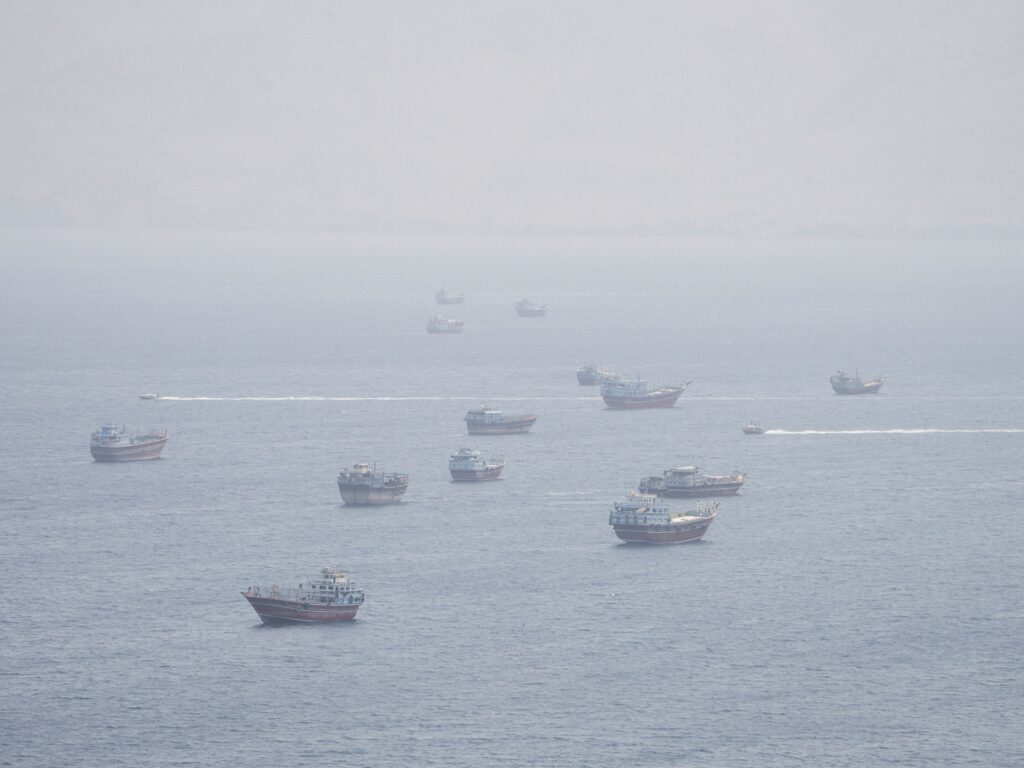
The Strait of Hormuz, a critical narrow passage connecting the Persian Gulf to the Gulf of Oman and the Arabian Sea, is one of the world’s most strategically important chokepoints for oil transportation. It sees a significant volume of the world’s petroleum passing through daily. The United States, under the Trump administration, has claimed it assists around 30 ships a day in safe transit through this vital waterway. However, independent ship-tracking data suggests that the actual number of vessels passing through the Strait daily is lower than the US claims, sparking debate over the accuracy and implications of the stated figures.
The Strait of Hormuz accounts for approximately 20% of global oil trade, with roughly 17 to 20 million barrels of oil flowing through it every day. This passage is especially crucial because a disruption could severely impact global oil markets and prices. The US ambassador and the administration have emphasized their role in ensuring the security of the Strait, highlighting that about 30 ships are escorted or assisted daily as part of their operational commitment to securing maritime traffic.
Ship-tracking and maritime data, however, present a slightly different narrative. Independent monitoring agencies and maritime analysts have used Automatic Identification System (AIS) data to track merchant vessels transiting the Strait. Their findings indicate fewer than 30 ships use the passage daily on average, suggesting that the US claims may overstate their involvement or the volume of traffic.
One reason for the discrepancy is the varied definition of “ships helped.” The US might be including different categories of vessels such as smaller tankers, support ships, or vessels assisted in nearby waters. Additionally, the US military presence and their reported efforts could refer to broader regional surveillance and protection that does not necessarily equate to direct daily passage assistance.
Another factor could be the geopolitical context. The Strait of Hormuz has been a site of tension between Iran and the US and its allies, particularly after sanctions imposed on Iran’s oil exports and incidents involving tanker seizures and attacks. The US emphasizing its protective stance bolsters its narrative of maintaining freedom of navigation and countering threats in the region.
Critical analysis of tanker traffic data reveals that on some days the waterway usage spikes, especially when oil market conditions change, but the average figures remain below the publicly claimed 30 ships. Disparities in counting methods, the dynamic nature of maritime traffic, and possible miscommunication contribute to the inconsistencies.
In conclusion, while the US asserts it helps around 30 ships daily cross the Strait of Hormuz, ship-tracking data suggests fewer vessels transit on average. This mismatch highlights the complexities of maritime security narratives and the challenges of independently verifying claims made in a geopolitically sensitive zone. Understanding the nuances behind these figures is essential for a clearer picture of the current state of oil flow through one of the world’s most critical maritime chokepoints.