Tunisia is witnessing a sharpening crackdown on its civil society, with reports highlighting an increase in arrests, prosecutions, and suspensions. This escalating clampdown has drawn serious concerns from human rights organizations, particularly Human Rights Watch, which has documented the growing pressure on activists, journalists, and independent organizations operating within the country.
Over recent months, Tunisia’s government has intensified its measures to control dissent and limit the activities of civil society groups, a trend seen as part of a broader attempt to consolidate power. The authorities have reportedly used legal and administrative tactics to stifle voices critical of the regime, undermining the democratic gains Tunisia achieved during the Arab Spring.
Arrests of activists and journalists appear to be on the rise, with many facing charges that critics say are politically motivated. These legal actions often lack transparency and fairness, contributing to an environment of fear and self-censorship among civil society members. Prosecutions related to public expressions of dissent have been particularly troubling, suggesting a broader pattern of repression.
Suspensions and harassment of civil society organizations further compound the difficulties they face. Some organizations have been accused of operating without proper authorization or violating vague legal provisions, leading to their temporary or permanent suspension. This bureaucratic pressure curtails their ability to work freely and serve their communities.
Human Rights Watch has called on the Tunisian government to respect international human rights standards and protect the fundamental freedoms of assembly, association, and expression. The organization emphasizes that a vibrant civil society is crucial for the functioning of a healthy democracy and that suppressing it only undermines Tunisia’s social and political stability.
The crackdown is also seen in the broader context of political turmoil in Tunisia, where recent changes in leadership and constitutional crises have led to increased authoritarian practices. Observers warn that without corrective measures, the country risks backsliding into more repressive governance, eroding the rule of law and citizen trust.
International actors have expressed concern over the situation, urging Tunisia to uphold its commitments to human rights and democratic principles. However, tangible support and diplomatic pressure remain limited, raising questions about the effectiveness of external influence in reversing the negative trends.
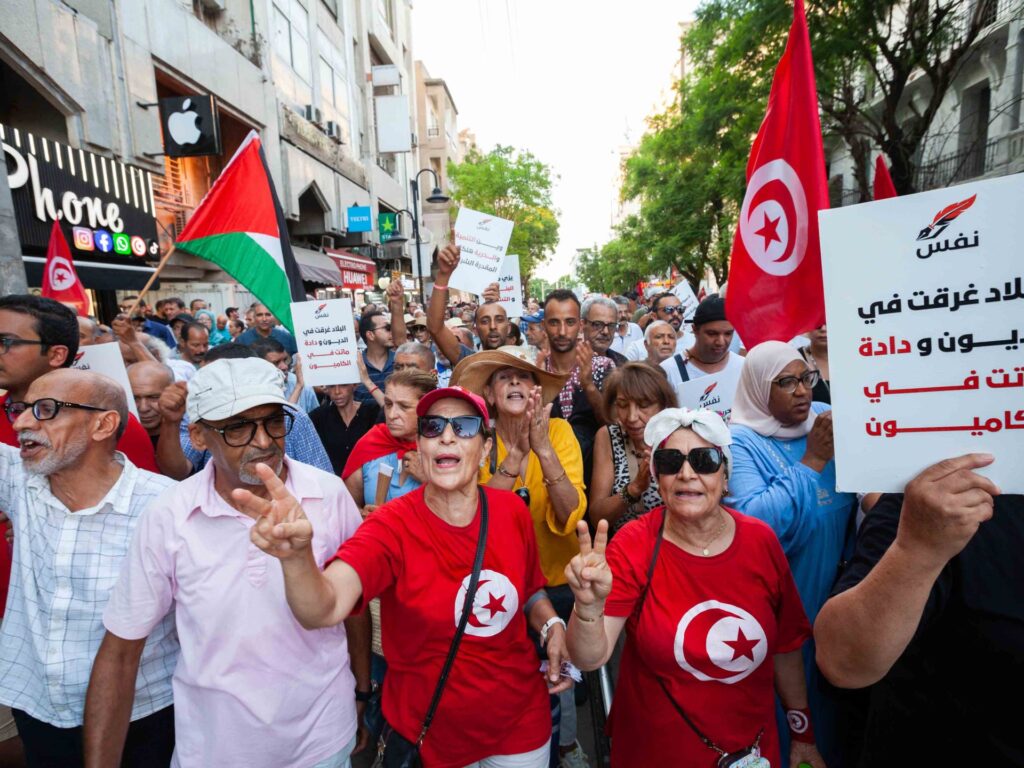
Civil society members and human rights defenders inside Tunisia continue to advocate for democratic freedoms, despite the growing obstacles they face. Many remain resilient, organizing peaceful protests, disseminating information, and engaging with local and international audiences to raise awareness.
The situation in Tunisia highlights the ongoing challenges facing civil society in many parts of the world, where governments increasingly resort to coercive measures to silence opposition and control public narratives. It underscores the importance of sustained vigilance and support for those championing human rights and democratic values.
As Tunisia’s crackdown widens, the international community and local stakeholders must work together to ensure that civil society can operate freely and effectively. Protecting these fundamental institutions is essential not only for Tunisia’s democratic future but also for promoting peace and stability across the region.
The coming months will be critical in determining whether Tunisia can return to a path of political openness and respect for human rights or continue down a trajectory of repression that stifles the voices crucial to its democratic life.