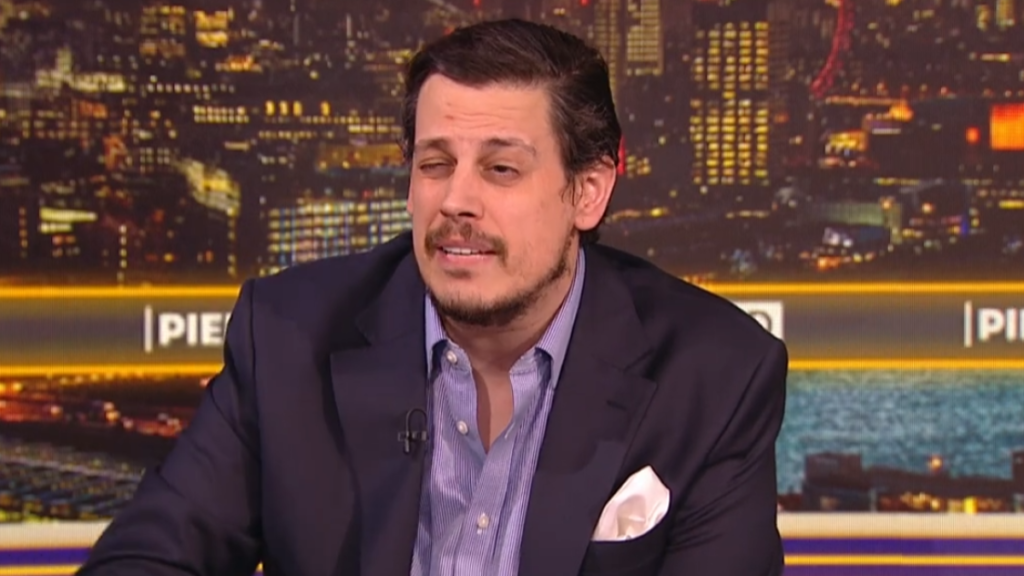
Milo Yiannopoulos, the far-right British commentator known for his provocative and often controversial views, has spoken publicly following his recent deportation from the United States. In an exclusive interview with Piers Morgan, Yiannopoulos shared his experiences and emotions regarding the incident, describing himself as “really terrified” after being detained by U.S. immigration authorities.
Yiannopoulos, a figure who has stirred debate internationally, was taken into custody by immigration officials before being deported back to the UK. The circumstances leading to his detention and deportation remain a focal point for discussions around free speech and immigration enforcement policies in the U.S.
During the candid conversation with Morgan, Yiannopoulos recounted the shock and fear he felt during the process, emphasizing the seriousness with which he took the situation. He expressed concerns about the legal and personal ramifications of his deportation, noting how it has impacted his ability to engage with his audience in the United States.
The interview also touched upon the broader implications of his case for other foreign commentators and public figures who visit the U.S. Yiannopoulos warned that the incident could signal tougher scrutiny and challenges for outspoken critics of prevailing political and cultural norms.
Observers and supporters of Yiannopoulos have pointed to his deportation as a troubling sign of rising tensions between the U.S. government and controversial figures, especially those on the far-right spectrum. Critics, however, argue that the deportation reflects legitimate legal processes and the enforcement of immigration laws, especially when it comes to individuals with contentious public profiles.
Yiannopoulos has vowed to continue his commentary and engagement on political issues from abroad, underscoring his commitment to his views despite the setback.
The situation has sparked a wider debate on social media and in political circles about the balance between national security, freedom of expression, and immigration control. It highlights the delicate challenges democracies face in handling individuals who polarize public opinion while navigating legal standards.
As the story develops, attention will likely focus on the official reasons cited by U.S. authorities for the deportation and the potential legal avenues Yiannopoulos might pursue to return to the United States.
The interview with Piers Morgan serves as a platform for Yiannopoulos to explain his side of the story, offering a rare glimpse into the personal impact of immigration enforcement on public figures involved in heated cultural debates.
This event marks a significant moment in the ongoing discourse about free speech, immigration, and political ideology in a globalized world, illustrating the complex intersections of personal liberty, government authority, and public discourse.