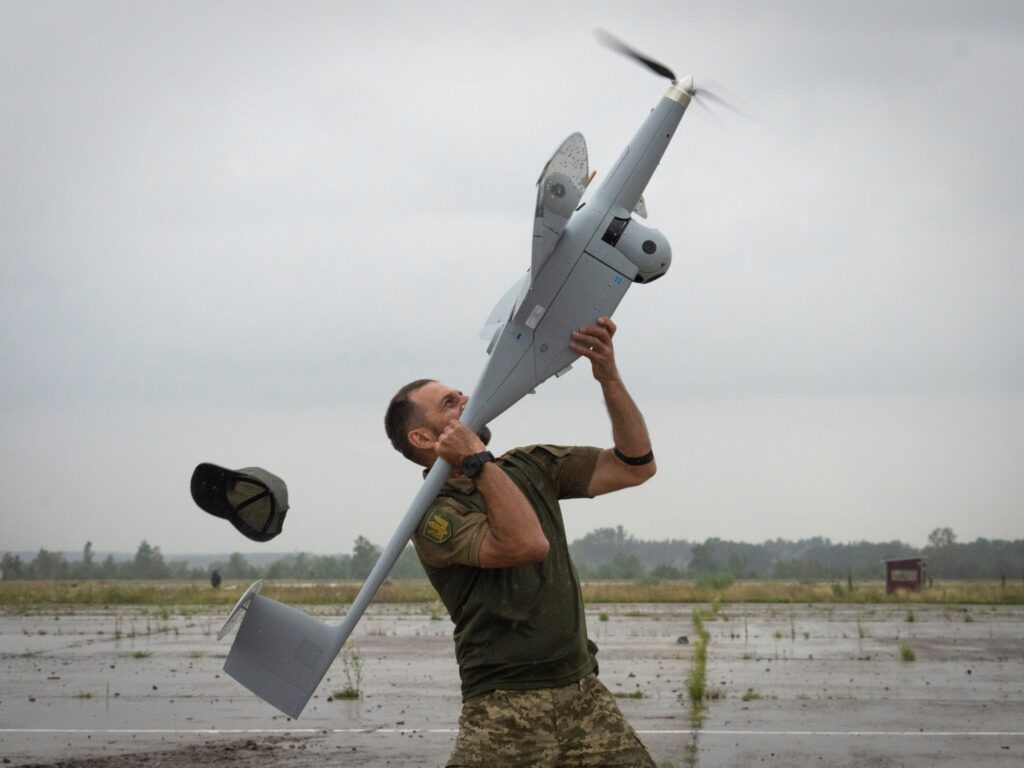
Poland has launched a terrorism investigation following a significant fire at a drone manufacturing facility, amid growing suspicions that the blaze may have been the result of deliberate sabotage. The incident occurred at a strategic factory involved in the production of unmanned aerial vehicles, crucial for the country’s defense capabilities.
Authorities in Warsaw are intensifying their probe as suspicions mount that the fire could be linked to Russian sabotage efforts. Given the broader geopolitical tensions and ongoing conflicts involving Russia, Poland is vigilantly exploring all possibilities regarding the origins of the fire.
Officials have indicated that preliminary findings suggest the incident was not accidental. Investigators are exploring connections with foreign intelligence services, particularly pinpointing potential Russian involvement, as part of a larger operation to undermine Poland’s security infrastructure.
The drone factory holds significant importance for Poland’s military technology advancement, and any disruption is seen as a direct threat not only to national security but also to regional stability. Poland’s government has expressed heightened concern over the increasing frequency of sabotage attempts and covert operations aimed at critical defense assets.
The fire caused extensive damage to the facility, temporarily halting production. Emergency response teams contained the blaze, preventing its spread to adjacent areas, but the destructive impact underscores the vulnerability of sensitive military installations.
This case is now classified under terrorism, allowing investigators broader legal powers to pursue suspects and gather intelligence. Warsaw’s crackdown aims to deter future attacks and send a clear signal to hostile entities that such provocations will be met with decisive countermeasures.
Polish officials are collaborating closely with international partners and intelligence agencies to trace the origins of the attack, sharing information to build a comprehensive picture of the threat landscape.
The investigation also seeks to understand the methods used in the sabotage, aiming to bolster security protocols at similar facilities nationwide. Enhanced protective measures are anticipated at key defense production sites to prevent recurrence.
This incident highlights the increasingly sophisticated nature of hybrid warfare tactics, where state and non-state actors employ covert operations and sabotage to destabilize adversaries without triggering full-scale military confrontations.
In response, Poland is reviewing its counterintelligence strategies and strengthening collaboration within NATO frameworks to enhance resilience against such covert threats.
Public statements from government representatives stress that national security remains a top priority and reassure citizens about ongoing efforts to safeguard critical infrastructure.
The drone factory fire serves as a stark reminder of the ongoing security challenges faced by countries confronting calculated hostile actions aimed at undermining their defense capabilities and technological advancements.
As the probe continues, updates will be provided to keep the public informed about developments and measures taken to protect Poland’s sovereignty and security interests.