Lebanon has formally reached out to Greece, seeking assistance in enforcing the recently brokered framework agreement with Israel. This diplomatic move follows Greece’s agreement to an Israeli weapons deal, signaling a potential shift in regional alliances and cooperation.
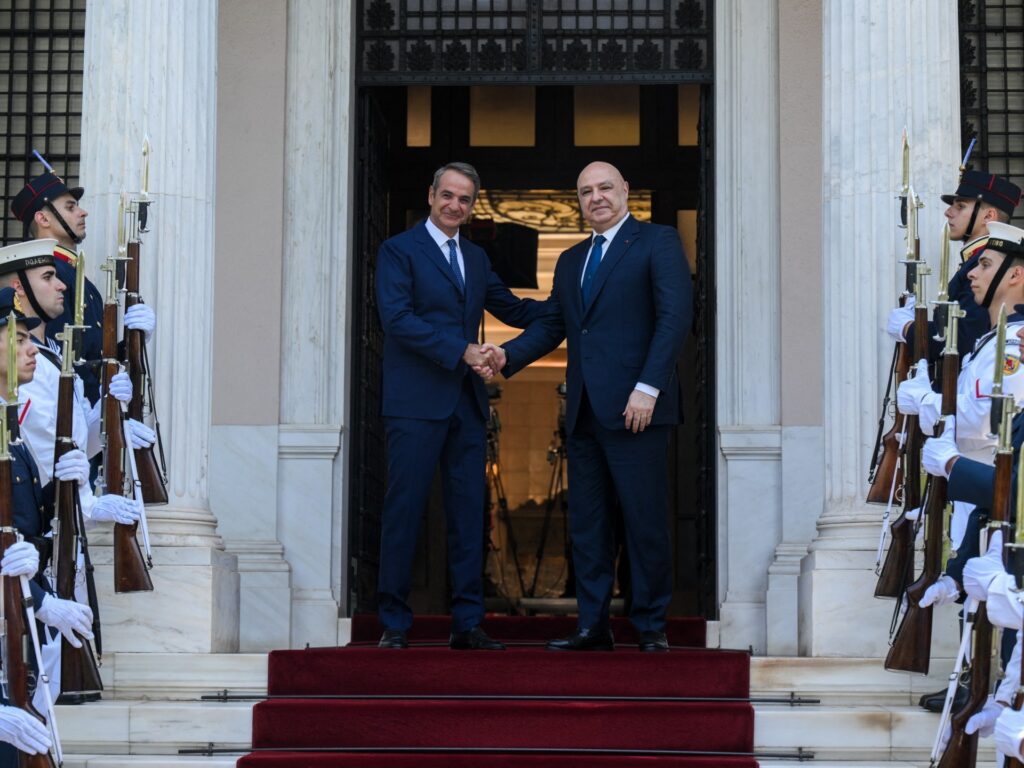
Lebanese General Joseph Aoun, a chief figure in Lebanon’s military establishment, has communicated with Athens to enlist Greek support in advancing the framework agreement that was brokered by the United States. The US-brokered agreement aims to improve stability and cooperation between Lebanon and Israel, two countries with a history of conflict and tension.
The framework is designed to address longstanding border disputes and includes measures intended to reduce military escalation and increase economic ties, particularly in exploiting maritime resources. Lebanon’s request emphasizes the crucial role Greece could play as a regional partner to help implement and monitor the agreement’s provisions.
Greece, sharing close historical and strategic ties with Lebanon and being an important player in Eastern Mediterranean geopolitics, holds potential leverage in promoting peace and stability in the area. By assisting Lebanon, Athens can reinforce its position as a mediator and peace broker, especially after its recent defense cooperation with Israel.
The US government has consistently pushed for dialogue and peaceful resolutions in the Eastern Mediterranean, where energy exploration and territorial claims have led to heightened tensions. The framework agreement represents a significant step in these efforts, aiming to foster cooperation between former adversaries.
Lebanon’s appeal to Greece highlights the interconnectedness of regional politics, where military, economic, and diplomatic relations are deeply intertwined. Greece’s role might involve facilitating dialogue, providing technical support, or even participating in monitoring mechanisms to ensure compliance by all parties.
This development underscores a potential shift toward greater collaboration in the Eastern Mediterranean amidst ongoing challenges such as political instability within Lebanon and fluctuating alliances. Observers note that Greece’s involvement could act as a catalyst in normalizing Lebanon-Israel relations, although substantial challenges remain.
The Israeli weapons deal with Greece, meanwhile, symbolizes growing ties between the two countries, which may provide a foundation for broader regional cooperation. Lebanon’s request to Greece suggests a diplomatic opening that could help reconcile differences and promote regional security.
Analysts emphasize the importance of sustained international engagement to ensure the framework agreement’s success. The combined efforts of Lebanon, Greece, Israel, and the US could pave the way for a new chapter of peace and economic development in the Eastern Mediterranean, contingent on political will and effective implementation.
In summary, Lebanon’s call for Greek assistance in enforcing the US-brokered agreement with Israel marks a notable step in regional diplomacy. It reflects a strategic move to involve a trusted partner in advancing peace while utilizing recent defense agreements as a platform for collaboration. The outcome of this initiative may have significant implications for security and cooperation in one of the world’s most complex geopolitical regions.