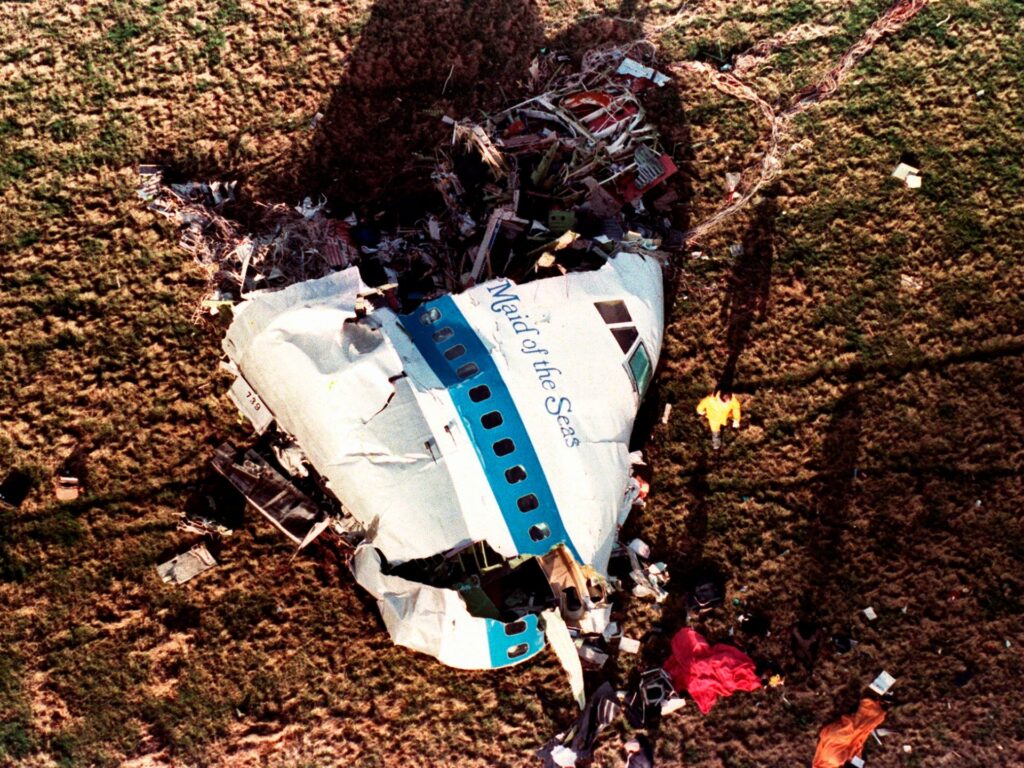
The tragic bombing of Pan Am Flight 103 remains one of the most notorious terrorist acts in recent history, resulting in 270 deaths when the aircraft exploded over Lockerbie, Scotland, in 1988. Decades later, the case has taken a significant turn as Abu Agila Mohammad Mas’ud Kheir Al-Marimi stands poised to face trial in the United States, marking a critical development in the pursuit of justice for the victims and their families.
Abu Agila Mohammad Mas’ud Kheir Al-Marimi is the third individual charged in connection with the bombing of Pan Am Flight 103. His indictment holds considerable weight in the sprawling investigation, which has spanned over 30 years since the attack dismantled lives and shocked the world.
The bombing resulted in one of the deadliest terrorist attacks on American civilians on foreign soil, sparking global condemnation and a complex web of diplomatic, legal, and intelligence efforts to identify and prosecute those responsible.
This upcoming trial in the US could offer long-awaited closure, or at least additional insight, into the tragic events of December 21, 1988. At that time, the Boeing 747 en route from London to New York exploded mid-air, killing all 259 people on board and 11 individuals on the ground in Lockerbie.
Al-Marimi’s alleged involvement adds a new chapter to a case that previously saw two other men accused: Abdelbaset al-Megrahi, who was convicted and subsequently released on compassionate grounds before his death, and Lamin Khalifah Fhimah, who was acquitted.
The US has made persistent efforts to bring all parties affiliated with this bombing to justice, reflecting the seriousness with which it pursues acts of terrorism, especially those that target its citizens. The trial is not only a matter of criminal justice but also serves as a reminder of the enduring fight against terrorism and the efforts to prevent such tragedies in the future.
The complexity of the Pan Am 103 bombing case underscores the challenges faced by international law enforcement and judicial systems when addressing acts of global terrorism. Coordination across different countries and jurisdictions is vital for successful prosecution.
The upcoming trial of Abu Agila Mohammad Mas’ud Kheir Al-Marimi reflects a renewed commitment to that cause as the world watches carefully.
Families of victims and survivors seek accountability and hope that the convictions will provide some solace for their enduring pain.
As the US prepares for the trial, it also renews international diplomatic efforts to strengthen counterterrorism cooperation globally.
This case remains emblematic of the deep scars terrorism inflicts and the ongoing need for vigilance and justice worldwide.