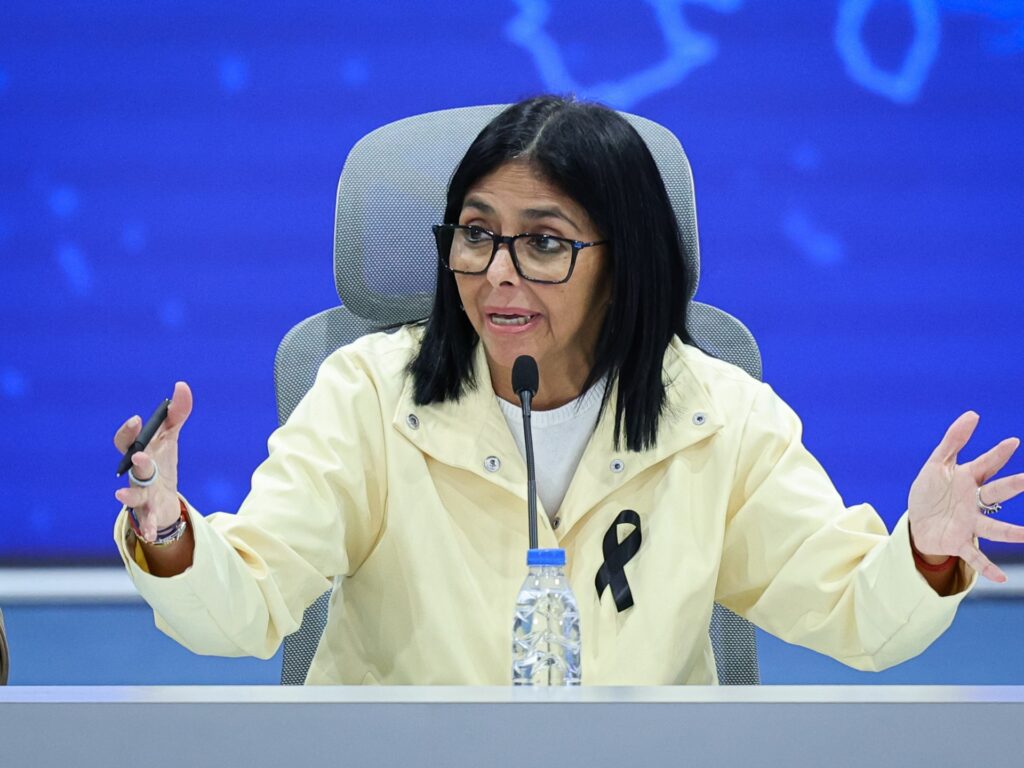
In a significant geopolitical development, Venezuela has declared that it retains its sovereignty despite entering into a new oil agreement with the United States. The deal, which marks a notable cooperation between the two nations, stipulates that Venezuela will receive $19 from every barrel of oil sold to the US. Interim President Delcy Rodriguez articulated this point clearly, emphasizing that the arrangement respects Venezuela’s national autonomy and economic interests.
The oil deal comes at a time of complex international relations, where Venezuela, long a major oil producer in Latin America, seeks to strengthen its economy while navigating pressures and sanctions from various global powers. The agreement with the US is expected to channel substantial revenue directly to Caracas, which could impact the country’s economic stability and development.
President Rodriguez highlighted that this financial flow represents not just economic gain but also a reaffirmation of Venezuelan sovereignty. She stated that the deal was structured to ensure that Venezuela remains in full control of its natural resources and benefits directly from their sale. This contrasts with concerns from some quarters that external agreements might undermine the country’s autonomy.
In addition to the economic aspects, the deal signifies a potential thawing in relations between Venezuela and the United States, which have often been strained by political differences and sanctions. The negotiation process, although not fully detailed publicly, indicates a pragmatic approach by both countries to leverage Venezuela’s oil production capabilities while addressing mutual interests.
Analysts suggest that the $19 per barrel arrangement might provide Venezuela with a more predictable revenue stream, potentially reducing the impact of fluctuating global oil prices. This financial certainty could help stabilize the nation’s economy, which has faced challenges such as inflation and shortages of goods.
The deal also raises questions about the future of Venezuela’s oil industry, including production levels, environmental considerations, and partnerships with other countries and corporations. It reflects a broader trend in international energy markets where national sovereignty and economic pragmatism must be balanced delicately.
Overall, Venezuela’s announcement underscores a determined stance that national sovereignty remains intact even as it engages in significant international economic agreements. This development will likely influence regional dynamics, US-Latin America relations, and the global oil market in the months ahead.