Six months into the prolonged US-Israel war on Iran, the political landscapes of the three nations are deeply affected, with each government battling internal challenges alongside external conflict.
In Israel, the war has intensified existing political divisions and put pressure on Prime Minister Benjamin Netanyahu’s administration. The need to maintain national unity while conducting military operations has led to heightened political debates about strategy and security. The conflict has also influenced public opinion, with citizens expressing concern over the long-term implications for Israel’s regional standing and safety.
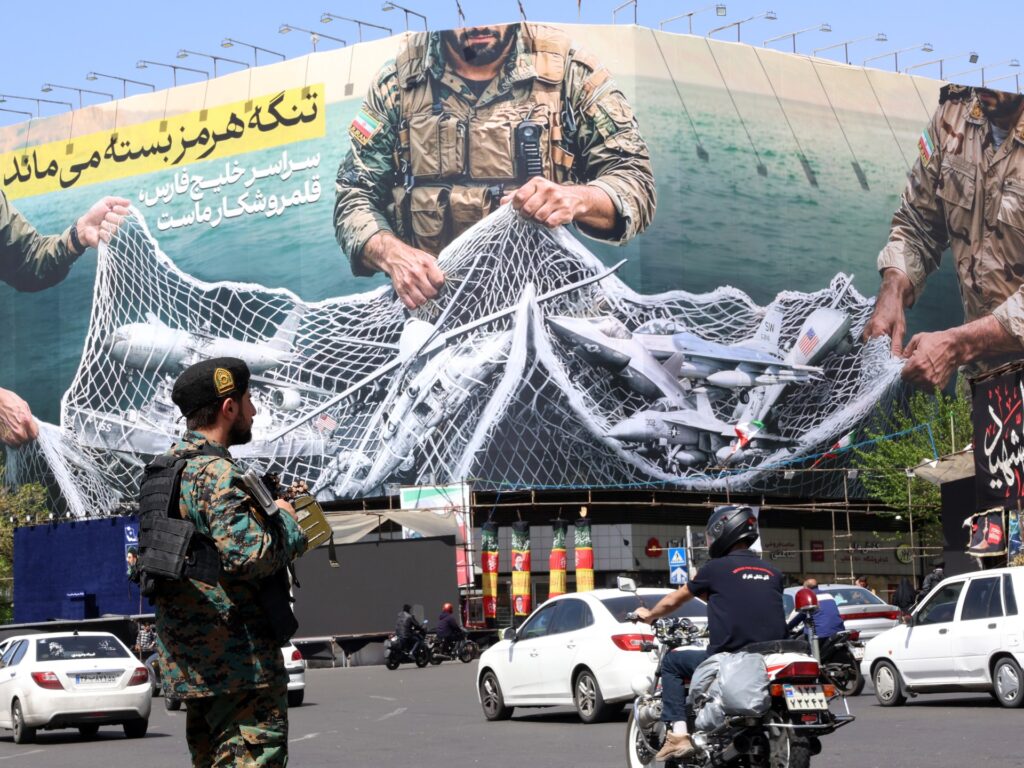
Meanwhile, Iran’s government faces its own internal struggles. The war has exacerbated economic difficulties, leading to increased civil unrest and criticism of the regime’s handling of both foreign policy and domestic affairs. Iran’s leadership is attempting to maintain control while managing the fallout from international sanctions and the challenges posed by the ongoing military conflict.
In the United States, the war has become a contentious political issue, deeply dividing lawmakers and the public. The Biden administration continues to support Israel but faces scrutiny over the extent of American involvement. Congressional debates focus on the war’s costs, both financial and human, and the broader implications for US foreign policy in the Middle East. The conflict has also influenced upcoming elections, with candidates leveraging their positions on the war to gain political advantage.
All three countries are grappling with balancing the demands of the war with the need to address pressing domestic issues. The conflict has not only shaped international relations but has seeded political wars at home, influencing leadership, governance, and public sentiment across Israel, Iran, and the United States.
As the war perseveres, the intertwined challenges of external conflict and internal political struggle underscore the complex realities facing the governments of these nations. The home front remains a critical battlefield where political survival and national interests are constantly negotiated amid the enduring turmoil of the US-Israel war on Iran.