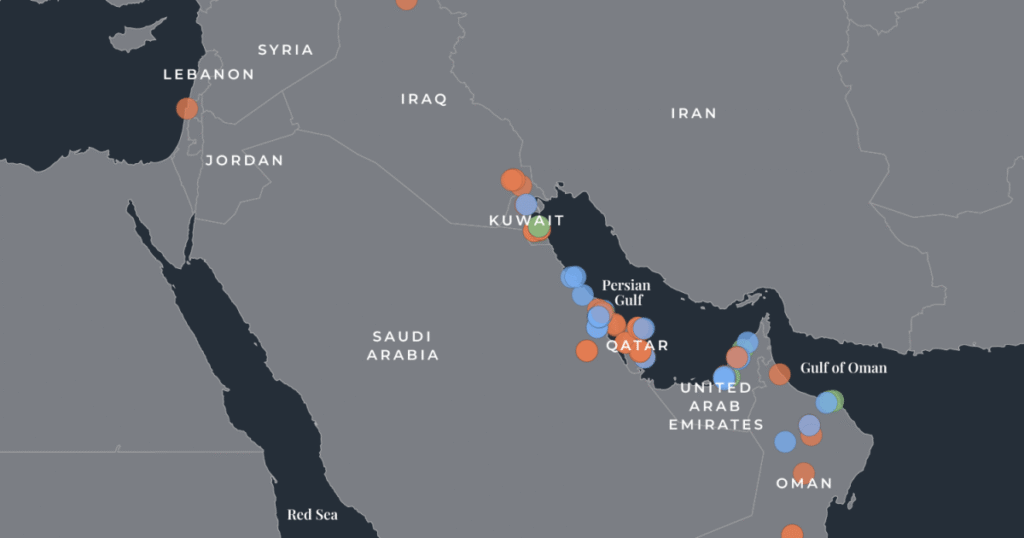
The recent escalation of conflict involving Iran has sent shockwaves through global energy markets, particularly impacting the Gulf region, a critical hub for oil production. This article explores the strikes on Gulf energy infrastructure amid the Iran war, analyzes the implications for global oil supply and prices, and forecasts the potential trajectory for the oil industry under these tense geopolitical circumstances.
The Gulf region, notably encompassing countries like Saudi Arabia, the United Arab Emirates, Kuwait, and Qatar, ranks among the world’s top oil producers and exporters. Iran’s involvement in regional hostilities has led to sporadic attacks and retaliatory measures centered around key energy assets, including oil fields, refineries, and shipping lanes such as the Strait of Hormuz, a vital maritime chokepoint.
Strikes on critical infrastructure have several immediate impacts: disruption of oil production and export flows, increased insurance costs for tankers, and heightened volatility in oil prices. These attacks have caused temporary shutdowns of some facilities and interruptions to supply chains that ripple through the global economy.
US energy companies, with significant holdings and joint ventures in the Gulf, have seen a complex mix of consequences. On one hand, the instability has contributed to rising global oil prices, generating billions in additional revenue. On the other hand, the physical risk to assets and personnel remains a continuous concern. These companies must balance the lure of profits against the challenges of operating in a conflict-prone environment.
The geopolitical risks are not contained within the Gulf. Global markets have responded with increased uncertainty, prompting strategic petroleum reserves to be tapped in various countries. The volatility has also accelerated discussions on energy diversification and investment in alternative sources globally.
Looking forward, the trajectory of Gulf energy amid the Iran war hinges on multiple factors. Diplomatic efforts to deescalate tensions could restore stability and confidence, while prolonged conflict risks undermining production capacity and pushing prices even higher.
In addition to direct strikes, secondary effects such as sanctions, disrupted trade routes, and changing alliances are influencing energy flows and investment strategies. Countries dependent on Gulf oil are assessing their energy security policies and looking to diversify supply chains to mitigate risks.
Technology and innovation in energy extraction and production may offer some resilience, enabling faster recovery from damages and more efficient operations. However, physical security of infrastructure remains paramount.
In conclusion, the Iran conflict’s impact on Gulf energy underscores the volatile intersection of geopolitics and global energy markets. While US energy companies have benefited financially from higher prices, their regional investments remain highly vulnerable. The coming months will be critical as the world watches whether peace initiatives gain traction or if further hostilities reshape the energy landscape. Stakeholders across industries must remain vigilant and adaptive to navigate the evolving challenges and opportunities in oil markets influenced by geopolitical strife.