The ongoing conflict involving Iran in the Gulf region has significantly escalated tensions surrounding energy security, with profound implications for global oil markets. As the Gulf stands as one of the most energy-rich and geopolitically sensitive corridors in the world, any military or strategic strikes linked to this conflict directly threaten critical oil infrastructure, leading to volatile energy prices worldwide.
US energy companies have emerged as substantial beneficiaries in this turbulent landscape, capitalizing on the spike in oil prices to reap billions in revenue. However, while these financial gains are impressive, these companies’ assets on the ground in the Gulf remain precariously vulnerable to damage or disruption amid the ongoing hostilities.
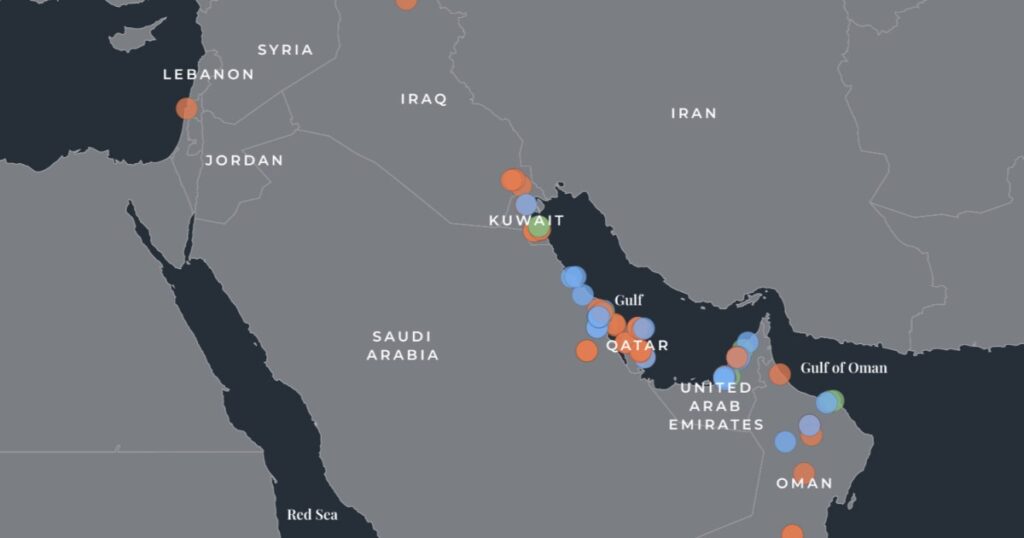
Mapping the strikes reveals a pattern of targeted attacks on vital oil facilities, including refineries, oil fields, and offshore rigs. The strategic intent appears to be to disrupt oil production and export routes in a bid to leverage geopolitical power. This disruption has led to concerns about supply shortages, increased transportation costs, and a potential rerouting of global oil trade pathways.
The immediate aftermath of each strike sees a sharp increase in global oil prices, fueled by fears of prolonged supply interruptions. Markets are jittery, reacting swiftly to news of any escalation or de-escalation in the conflict. This volatility underscores the fragile balance of energy supply and the global economy’s sensitivity to geopolitical factors in oil-producing regions.
Looking ahead, the question remains: what comes next for oil in the Gulf? Analysts suggest that without a diplomatic breakthrough, the risk of further strikes will continue to loom large. This could mean sustained periods of high oil prices and potentially increased investment in alternative energy sources and strategic reserves as countries seek to mitigate risk.
Furthermore, the heightened risks have prompted some US energy companies to reassess their exposure in the region. While the Gulf remains crucial for their operations, diversification of production and the exploration of new markets could become a priority to shield their assets from future vulnerabilities.
In parallel, international stakeholders are likely to intensify efforts to stabilize the region through diplomatic and economic measures. The complexity of the conflict, involving not only Iran but also regional and global powers, demands a nuanced approach to any resolution.
In conclusion, the Iran war’s strikes on Gulf energy present a critical juncture for global oil markets. The interplay of geopolitical conflict, economic interests, and energy security poses challenges that will define the future trajectory of oil supplies and prices. As the situation unfolds, vigilance and adaptive strategies will be essential for stakeholders across the energy sector to navigate the uncertainties ahead.