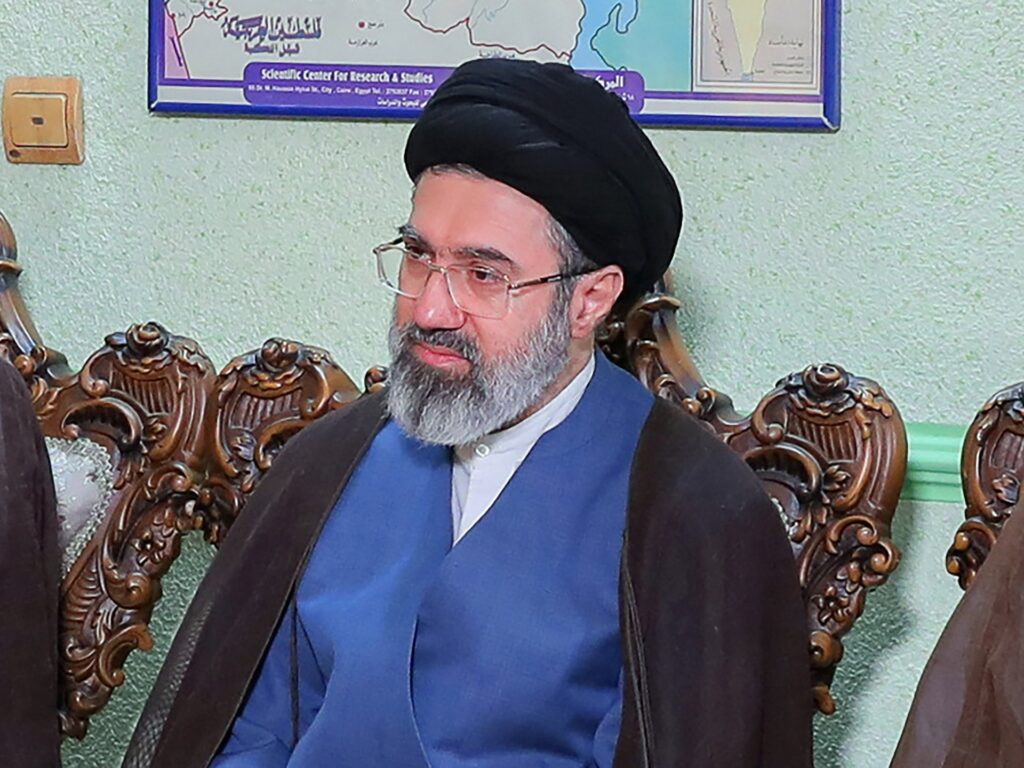
In a significant development amid escalating regional tensions, Iran’s Supreme Leader Mojtaba Khamenei has issued a potent call for unity across the Muslim world. Addressing a broad audience, Khamenei emphasized the need for collective resistance against what he termed the ‘real enemy,’ urging Muslims not to engage in actions that could sow division among themselves.
Khamenei’s statement comes at a time when geopolitical dynamics in the Middle East remain fraught, with several conflicts and political strife affecting stability. The Supreme Leader’s appeal highlights a critical point of concern—internal discord within the Muslim community that could potentially weaken their collective strength in facing external challenges.
The leader’s comments underscore the importance of solidarity, encouraging Muslim nations and communities to focus on common goals rather than internal disagreements. Khamenei’s stance reflects Iran’s broader strategic postures in the region, where it often positions itself as a defender of Muslim interests and a counterbalance to Western influence and regional adversaries.
Experts suggest that Khamenei’s call is not only a spiritual or religious appeal but also a strategic message aimed at galvanizing support among Muslim populations worldwide. This unified stance, according to analysts, could have significant implications for regional politics, alliances, and conflicts.
Iran has historically sought to leverage religious solidarity to advance its political and strategic objectives, and this recent appeal reinforces that approach. Khamenei’s denunciation of divisive actions aligns with Iran’s broader narratives that portray the nation as a key player advocating for Muslim unity and resistance against perceived oppression or external aggression.
The Supreme Leader’s message arrives at a critical juncture, as various Muslim-majority countries face internal and external pressures from warfare, political instability, economic hardships, and foreign intervention. Khamenei’s exhortation for unity and confrontation against a common adversary could serve as a rallying cry to boost morale and cohesion among these nations.
While the exact ‘real enemy’ referred to by Khamenei remains subject to interpretation, it is generally understood within the context of Iran’s political rhetoric to signify Western powers, Israel, and their allies, who Iran views as threats to regional sovereignty and Islamic interests.
This call for solidarity may influence ongoing conflicts and diplomatic relations in the Middle East, affecting negotiations, military alliances, and the socio-political landscape of the region. It encourages Muslim countries to look beyond superficial differences and unite based on shared religious and cultural identities.
Observers will be closely monitoring the reactions from various Muslim-majority states to Khamenei’s pronouncement. The responses could range from supportive endorsements to cautious approaches, depending on political alignments, national interests, and existing tensions.
In summary, Iran’s Supreme Leader Mojtaba Khamenei has issued a significant appeal to the Muslim world: to reject division, confront their shared ‘real enemy,’ and foster unity amid challenging regional dynamics. This declaration plays a pivotal role in shaping the discourse and strategy of Muslim nations in a complex and volatile geopolitical environment.