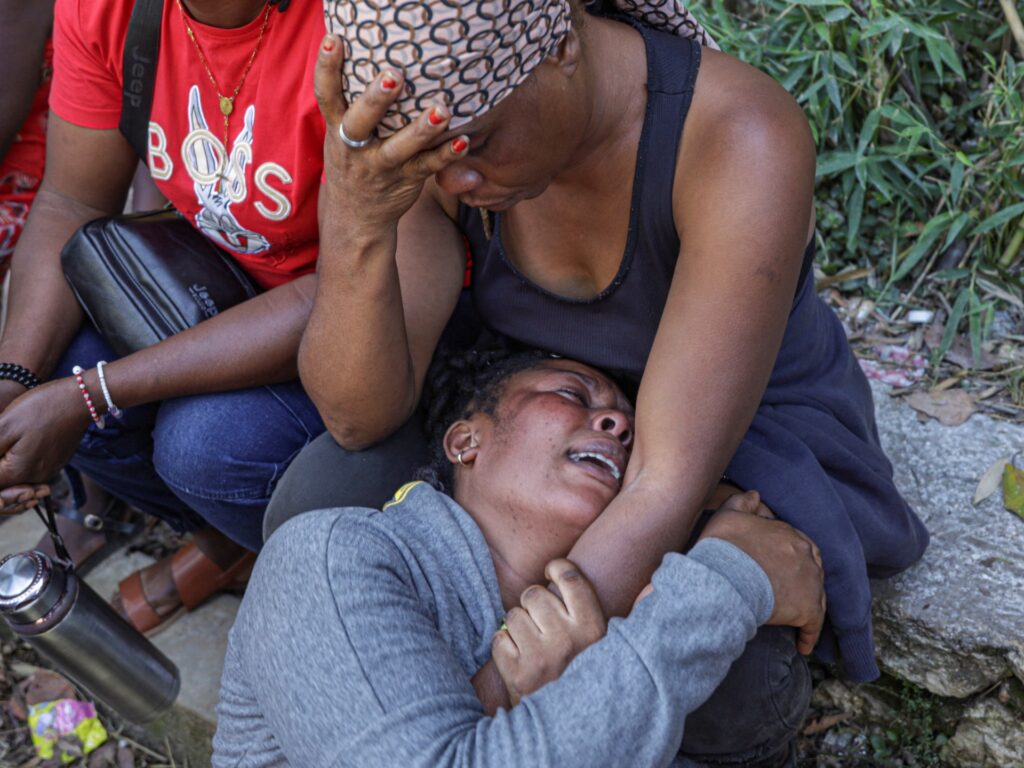
In a harrowing episode that has shaken Haiti, violent gangs operating in the Kenscoff area released 13 captives following a brutal mass kidnapping. This comes after a deadly attack that claimed the lives of at least 47 people and saw more than 50 individuals abducted by these groups amidst their escalating efforts to consolidate control.
The incident highlights the precarious security situation in Kenscoff, a region that has been increasingly plagued by gang violence. The gangs’ violent operations aim to assert dominance over local populations, often through fear, kidnapping, and killings.
The mass kidnapping was a strategic move by the gangs, which have intensified their activities in recent months. Residents and authorities report that these groups use captives as leverage for ransom or to intimidate communities into submission.
The release of the 13 captives is a small but significant development amid the ongoing crisis. Families and local officials have expressed relief but remain deeply concerned about the safety of the remaining abductees who are still in captivity.
Security forces and local leaders continue to call for increased intervention and support to dismantle the gangs’ hold over the region. Efforts to restore order have been hindered by limited resources and the gangs’ deeply entrenched networks.
The broader implications of this violence extend beyond Kenscoff, reflecting a national challenge where gangs play a pivotal role in destabilizing governance and security across Haiti.
International observers have condemned the violence and urged Haitian authorities and global partners to enhance collaborative efforts aimed at protecting civilians and restoring peace.
In summary, the Kenscoff mass kidnapping and subsequent release of some captives underscore the urgent need for comprehensive measures to address the root causes of gang violence and to support affected communities. Without substantial intervention, the cycle of violence and fear is likely to persist, leaving countless lives at risk.