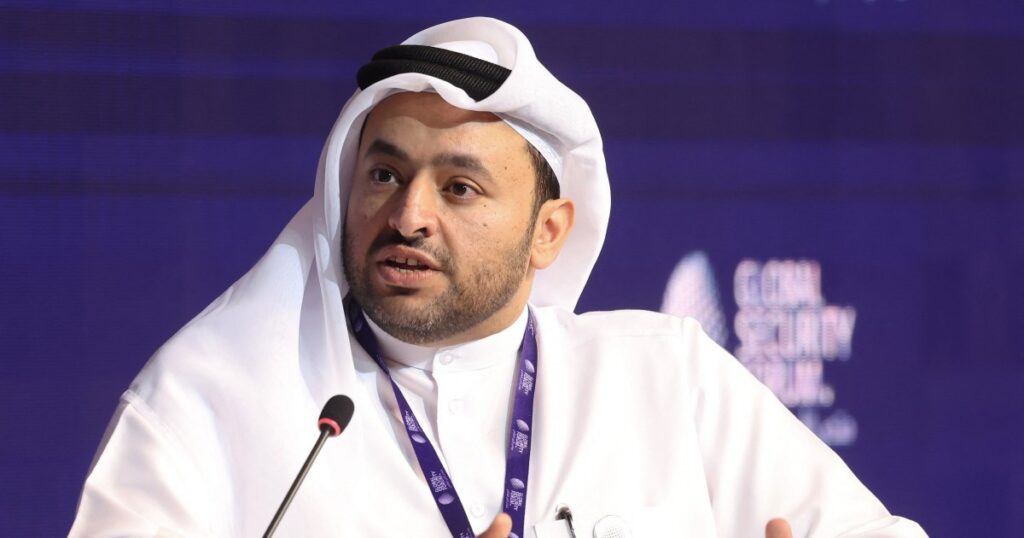
In a significant diplomatic move, Qatar has pledged its support for ongoing efforts aimed at resolving Libya’s longstanding political division. The pledge was made during a recent meeting between a prominent Qatari minister and the chief of the Libyan army, signaling Qatar’s commitment to fostering peace and unity in the war-torn country.
Libya has been embroiled in political turmoil and conflict since the fall of Muammar Gaddafi in 2011. The nation has been divided between rival factions and governments, leading to instability and humanitarian crises. International actors, including the United Nations, have been working tirelessly to mediate dialogue and achieve a lasting political settlement.
The Qatari minister’s meeting with the Libyan army chief is a crucial step toward bridging the political divides that have hampered progress. Qatar’s involvement underscores the importance of regional support in addressing Libya’s complex political landscape.
During the discussions, both sides emphasized the need for national reconciliation and the establishment of a unified government that represents all Libyans. They also expressed optimism that with continued international cooperation, the country can move towards a peaceful and stable future.
Qatar’s support includes diplomatic backing, potential mediation efforts, and facilitating communication between conflicting parties. This engagement reflects Qatar’s broader foreign policy objectives to contribute to regional stability and peace.
The Libyan army chief welcomed Qatar’s initiative, highlighting the importance of external support in overcoming the political impasse. The collaboration is expected to complement existing UN-led peace processes and initiatives by other international stakeholders.
Analysts note that Qatar’s involvement could inject new momentum into stalled negotiations. However, the path to unity remains challenging due to entrenched divisions and competing interests among Libya’s factions.
The Qatari minister also reiterated Qatar’s call for respect of Libya’s sovereignty and territorial integrity, emphasizing that any political solution must be Libyan-led and based on consensus.
This development has been met with cautious optimism by the international community, hopeful that renewed diplomatic efforts will finally bring an end to years of conflict.
As Qatar increases its diplomatic engagement in Libya, observers will be watching closely to see how this support influences the broader peace process. The success of these efforts could serve as a model for regional cooperation in conflict resolution.
In conclusion, Qatar’s pledge to support the resolution of Libya’s political divisions marks a hopeful chapter in the country’s tumultuous recent history. With sustained effort and collaboration, there is potential for Libya to emerge from its political crisis stronger and more united.