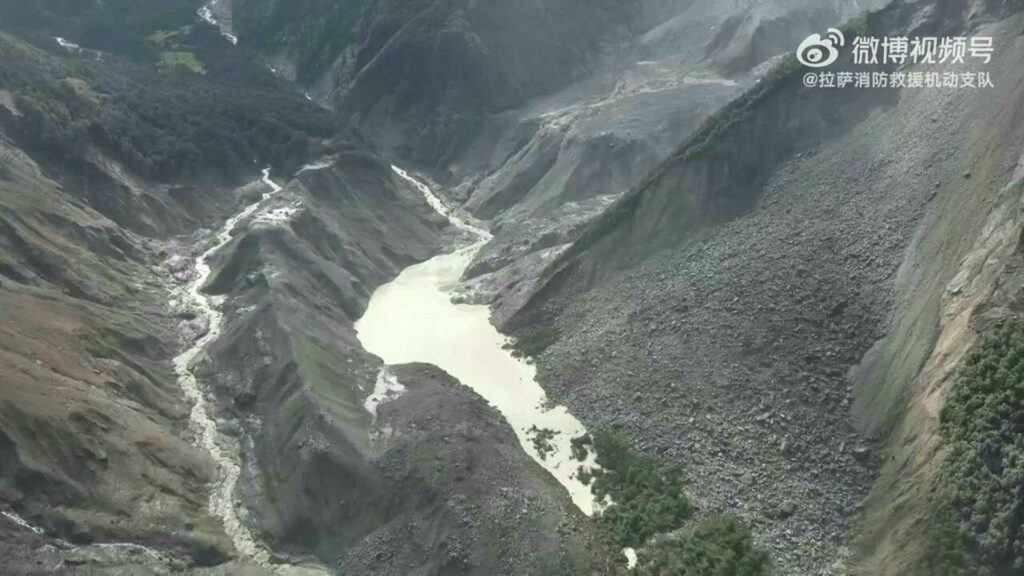
A barrier lake formed as a consequence of recent floods and mudslides along the China-Nepal border has burst, causing renewed flooding and forcing the suspension of ongoing rescue efforts. The lake, which formed when natural debris blocked a river, exemplifies the hazardous aftermath following intense rainfall in the mountainous region.
The floods and mudslides initially struck the area, leading to significant disruption, displacement, and damage. However, the formation of this barrier lake, a natural dam created by landslide debris, posed new threats to communities downstream and to the emergency services operating in the area. When such natural dams fail, the sudden release of impounded water results in severe flooding that can destroy infrastructure and put lives at risk.
On Friday, the barrier lake burst its banks, sending a surge of floodwaters downstream and immediately halting rescue operations aimed at aiding those affected by the initial disasters. Rescue teams had been working tirelessly to locate and assist stranded residents and to provide relief materials to isolated communities.
Local authorities and disaster management officials have expressed concern about the unpredictability of the situation. The volatile terrain and ongoing weather hazards continue to complicate response efforts, raising the risk to both residents and emergency personnel. Satellite imagery and on-ground assessments have been used to monitor the evolving scenario, but the rugged geography and adverse conditions have limited accessibility.
The floods have compounded existing challenges faced by the border communities, which are often vulnerable due to their remote locations and limited infrastructure. The Nepal-China border area, defined by mountainous terrain, is prone to such natural disasters, particularly during the monsoon season, when heavy rains increase the likelihood of landslides and flooding.
Efforts are underway to strengthen early warning systems and to implement long-term mitigation strategies, including reforestation and improved land management, to reduce the risk of similar disasters in the future. International cooperation is also deemed essential given the cross-border nature of the hazards.
In the immediate term, authorities are prioritizing the safety of residents and rescue personnel, coordinating evacuations where possible, and working to restore communication lines disrupted by the floods. The incident underscores the critical need for sustained disaster preparedness in the region.
This recent event is a stark reminder of the delicate balance in mountainous border regions and the devastating impact natural disasters can have on human lives and infrastructure. The resilience and response of affected communities, along with support from national and international agencies, will be key to overcoming the current crisis and preparing for future challenges.