The United States government has recently imposed sanctions on several left-wing organizations, including the activist group Palestine Action. This move has sparked significant reactions both domestically and internationally, highlighting the ongoing tensions surrounding activism and political dissent.
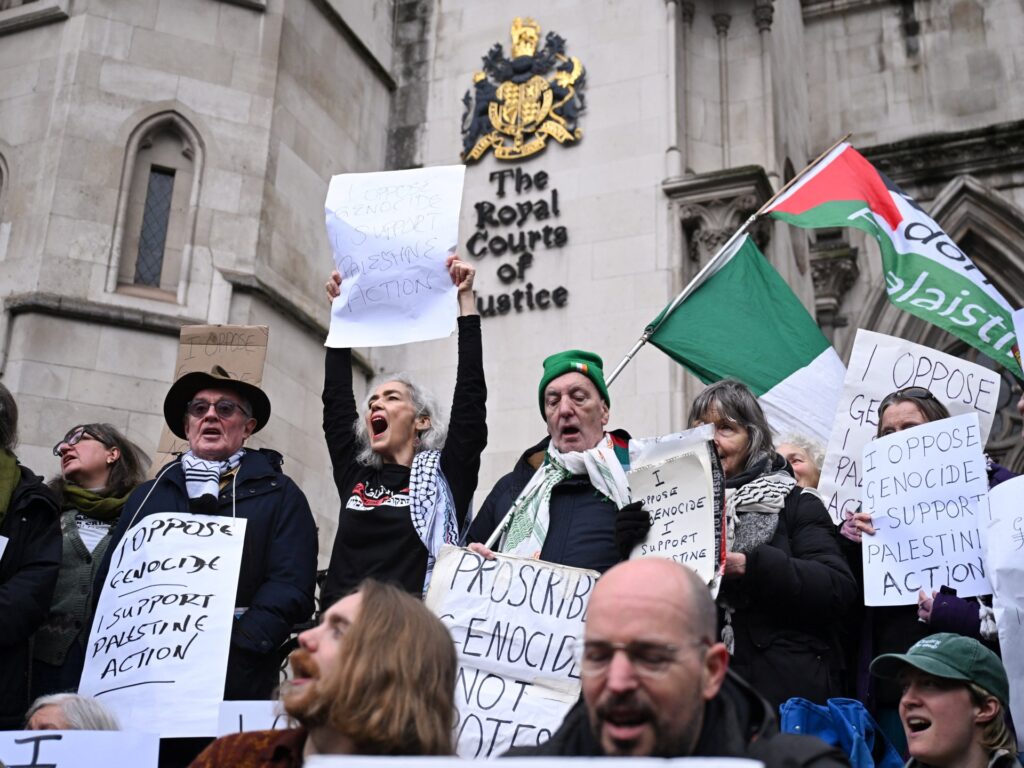
Palestine Action, known for its direct-action campaigns protesting arms trade and Israeli policies, is most notably affected by these sanctions. The organization’s co-founder, Huda Ammori, responded to the US penalties by urging the United Kingdom to reconsider its stance on the group. Ammori described the US sanctions as a “wake-up call” for the UK, advocating for an end to the existing ban on Palestine Action.
The sanctions stem from accusations that these groups are involved in activities the US government deems threatening to national security or foreign policy interests. While specific details on the allegations have not been fully disclosed, the punitive measures include asset freezes and restrictions on financial transactions involving the listed entities.
Palestine Action has been active in organizing protests against arms manufacturers and suppliers accused of facilitating weapons sales to Israel, which the group argues contributes to human rights violations against Palestinians. The US government’s response marks a significant escalation in the political backlash faced by these activists.
Supporters of Palestine Action and affiliated groups argue that the sanctions represent an infringement on freedom of speech and the right to peaceful protest. They contend that the organizations’ efforts highlight critical issues of social justice and human rights that deserve international attention.
The UK government has maintained its ban on Palestine Action, citing concerns over disruptive protests and potential security risks. However, Ammori’s recent statement suggests growing pressure on British authorities to review their position in light of international events and scrutiny.
This development raises broader questions about the role of state power in regulating activist groups and the balance between security concerns and civil liberties. Critics worry that such sanctions could set a precedent for silencing dissent and undermining democratic principles.
The international community watches closely as this situation unfolds, with human rights advocates calling for dialogue and non-violent approaches to conflict resolution. The debate continues over how governments should engage with activist organizations that challenge established policies and practices.
In conclusion, the US sanctions on Palestine Action and other left-wing groups highlight the complex interplay between activism, geopolitics, and state authority. The responses from affected organizations and international observers emphasize the need for careful consideration of both security imperatives and the protection of fundamental rights in democratic societies.