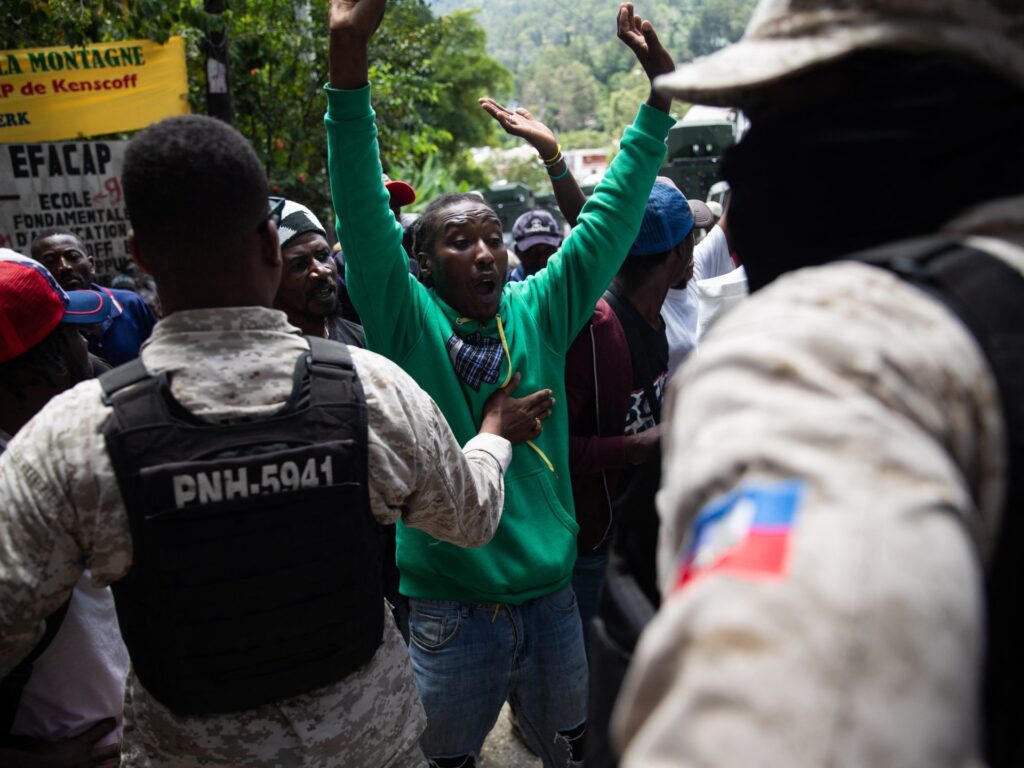
The recent gang raid in Haiti has resulted in a death toll of 47, with more than 50 individuals reportedly kidnapped, according to a United Nations report. This tragic incident highlights the severe and escalating security crisis in the country, which has been plagued by gang violence for years.
United Nations Secretary-General António Guterres expressed profound concern over the attack, emphasizing that it exposes the “alarming security situation in Haiti”. The surge in criminal activity by gangs has destabilized the nation, undermining peace and the safety of its citizens.
The raid took place in a region already notorious for gang activity. These gangs have grown increasingly bold and violent, often engaging in kidnappings, extortion, and other criminal enterprises that have crippled the local economy and displaced thousands of residents.
The United Nations has been actively involved in efforts to stabilize Haiti, providing humanitarian aid and calling for international support to help the Haitian government restore order. The rise in gang violence, however, has complicated these efforts, making it challenging for aid agencies to reach vulnerable populations.
Community leaders and activists have appealed to the government and international partners to prioritize security reforms and to strengthen law enforcement capabilities. The aim is to dismantle gang networks and bring perpetrators to justice, thereby preventing further loss of life and restoring a semblance of normalcy for Haitian communities.
The international community remains watchful, with some countries considering deploying additional support to Haitian security forces. Meanwhile, NGOs and local organizations continue their work amidst the chaos, providing critical services to those affected by the violence.
This tragic raid serves as a stark reminder of the pressing need for comprehensive strategies to address the root causes of gang violence in Haiti. These include poverty, political instability, and the lack of effective governance.
Efforts must focus not only on immediate security measures but also on long-term solutions such as economic development, education, and social programs to offer alternatives to gang affiliation, especially for young people.
The situation in Haiti demands urgent and coordinated action. Without it, the cycle of violence and instability is likely to persist, further affecting the country’s future and the well-being of its people.