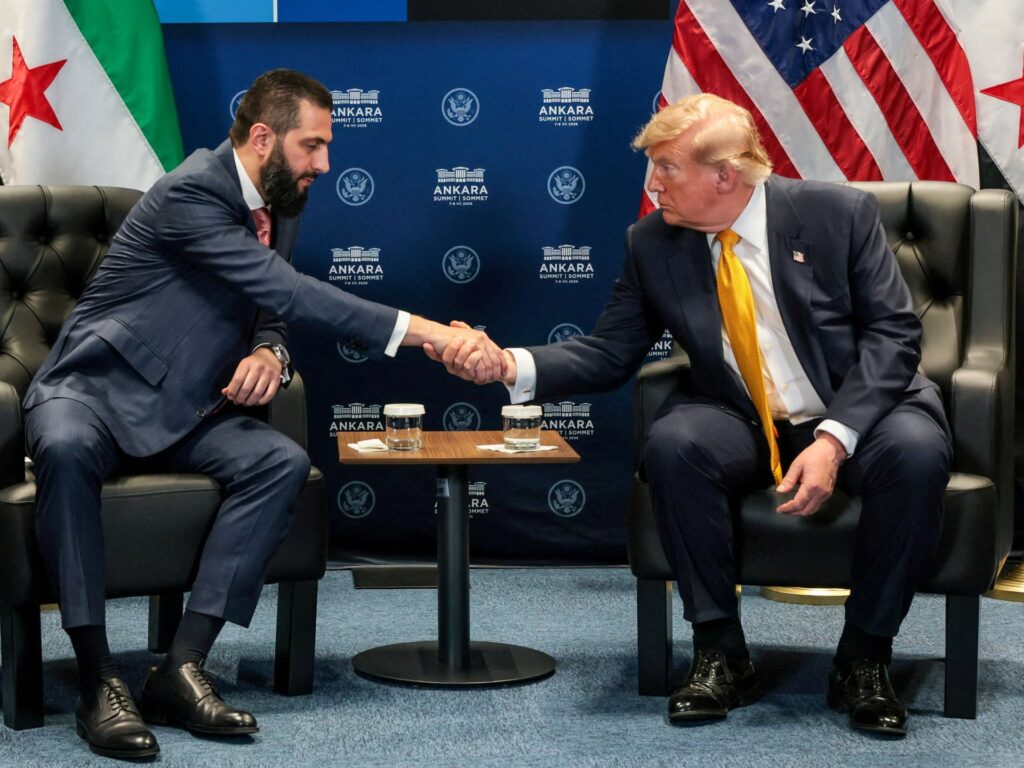
The recent removal of Syria from the United States ‘State Sponsors of Terrorism’ list marks a significant shift in U.S. foreign policy, yet leaves three countries still designated under this classification: Cuba, Iran, and North Korea. These nations remain on the blacklist due to ongoing concerns about their involvement in supporting terrorism globally.
Syria, once a prominent member of this list, was delisted following diplomatic efforts and changes in geopolitical dynamics. However, the decision to keep Cuba, Iran, and North Korea on the list is rooted in their continued state-sponsored activities that pose threats to international security.
Cuba remains on the list primarily due to allegations of harboring and supporting terrorist groups, although the specific activities are less prominently publicized compared to the other countries.
Iran is frequently cited for its backing of militant groups such as Hezbollah and its involvement in various regional conflicts that contribute to instability in the Middle East. Its government’s funding and training of paramilitary groups have positioned it as a major sponsor of terrorism from the U.S. perspective.
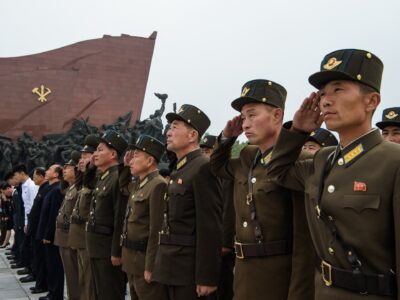
North Korea continues to be a significant concern due to its development and proliferation of weapons of mass destruction, along with support for international terrorist networks. The combination of these activities substantiates its continued classification on the terrorism blacklist.
The U.S. ‘State Sponsors of Terrorism’ list is designed to identify countries that have repeatedly provided support for acts of international terrorism. Inclusion on this list results in various sanctions, including restrictions on U.S. foreign assistance, a ban on defense exports and sales, controls over exports of dual-use items, and miscellaneous financial restrictions.
Removal from the list, as seen with Syria, typically requires demonstrated change in behavior, such as ceasing support for terrorist groups or improving diplomatic relations. The continued listing of Cuba, Iran, and North Korea reflects ongoing challenges in addressing the root causes and manifestations of state sponsorship of terrorism.
While some nations have successfully removed themselves from this blacklist through policy shifts and compliance with international norms, others remain entrenched due to complex political, military, and ideological factors. The presence of these countries on the list underscores the persistent global threat posed by state-supported terrorism and the delicate balance maintained in international diplomacy and security efforts.