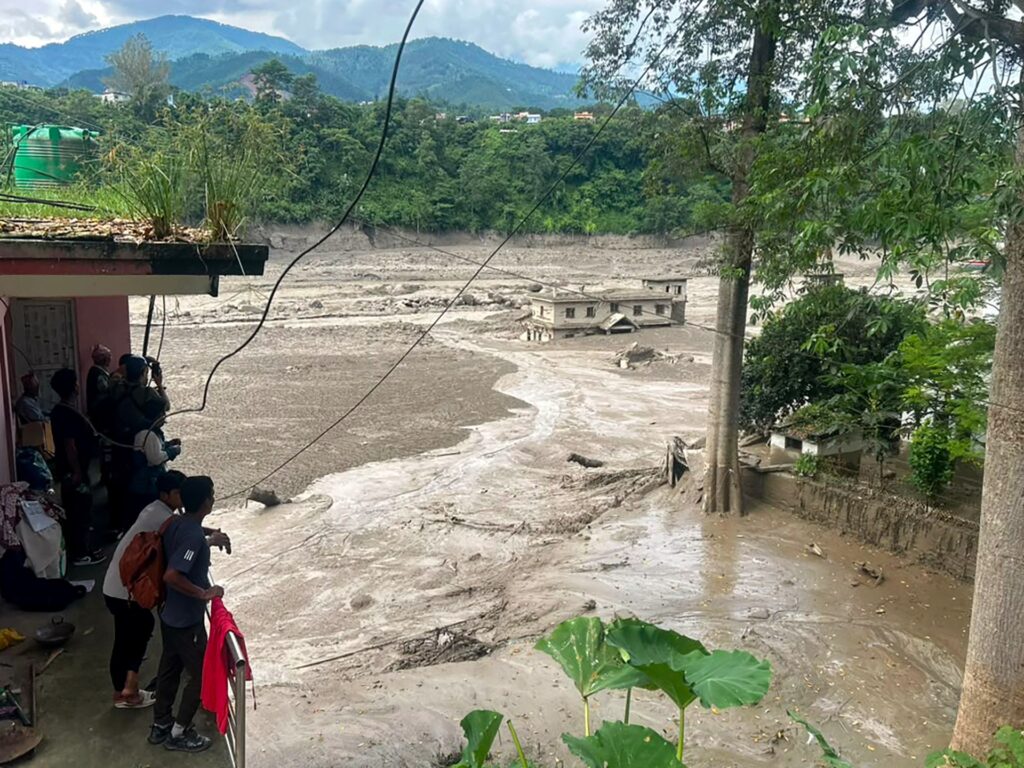
Nepal has been hit by devastating flash floods that have resulted in the deaths of at least eight people, with authorities warning that the casualty toll could rise significantly. The sudden floods, triggered by intense rainfall, have caused severe damage to infrastructure including roads and critical energy facilities, exacerbating the challenges faced by the affected communities.
The floodwaters swept through several regions, washing away roads and disrupting transportation links essential for daily commutes and supply chains. This has isolated many affected areas, making rescue and relief operations more difficult. The damage to energy facilities has caused power outages, impacting both residential areas and vital public services such as hospitals.
Officials have expressed concern that the true extent of the damage might not yet be fully known, as many remote areas remain inaccessible due to the flooded and damaged road networks. The ongoing rains have raised fears of further floods and landslides, which are common in Nepal during the monsoon season.
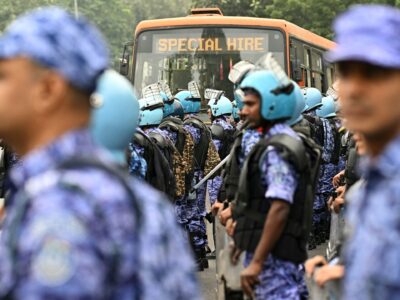
Emergency response teams have been deployed to the worst-hit areas, conducting search and rescue operations and providing emergency aid to survivors. Local authorities and the national government have urged people in vulnerable areas to stay vigilant and follow safety instructions.
The flash floods in Nepal highlight the country’s vulnerability to natural disasters, particularly in its mountainous terrain and regions with inadequate infrastructure. Climate experts have often pointed out that Nepal is prone to such extreme weather events, which are becoming more frequent and intense due to climate change.
The government has called for international assistance to help with disaster recovery and to support long-term efforts aimed at building resilience against future floods. NGOs and humanitarian organizations are also mobilizing resources to provide food, shelter, and medical support to displaced families.
Nepal’s geography makes it challenging to implement widespread preventive measures, but the recent flood has underscored the urgent need for improved early warning systems and better infrastructure to minimize the impact of such disasters.
Communities are now grappling with significant losses, not only of lives but also of homes, livelihoods, and essential services. The reconstruction and rehabilitation process is expected to take months, if not years, given the scale of the damage.
As the rains continue, the focus remains on saving lives and mitigating further damage. Authorities are closely monitoring river levels and weather forecasts to provide timely warnings and coordinate response efforts.
This tragic event serves as a stark reminder of the ongoing challenges posed by natural disasters in Nepal and the importance of preparedness, resilient infrastructure, and coordinated emergency response to protect vulnerable populations.