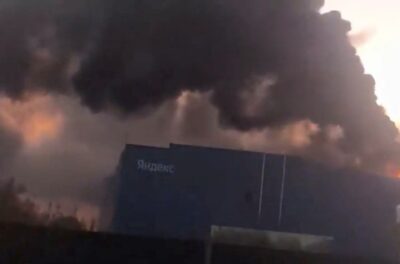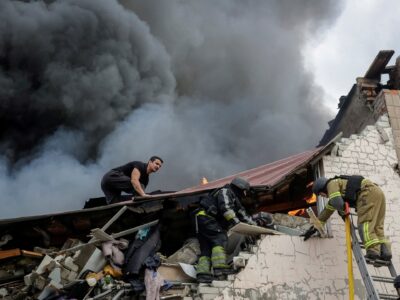
In the latest escalation of violence in Gaza, seven people have been killed following an Israeli strike that reportedly destroyed a key aid supply warehouse. The incident marks a significant blow to humanitarian efforts in the area, which has been under intense military pressure in recent days.
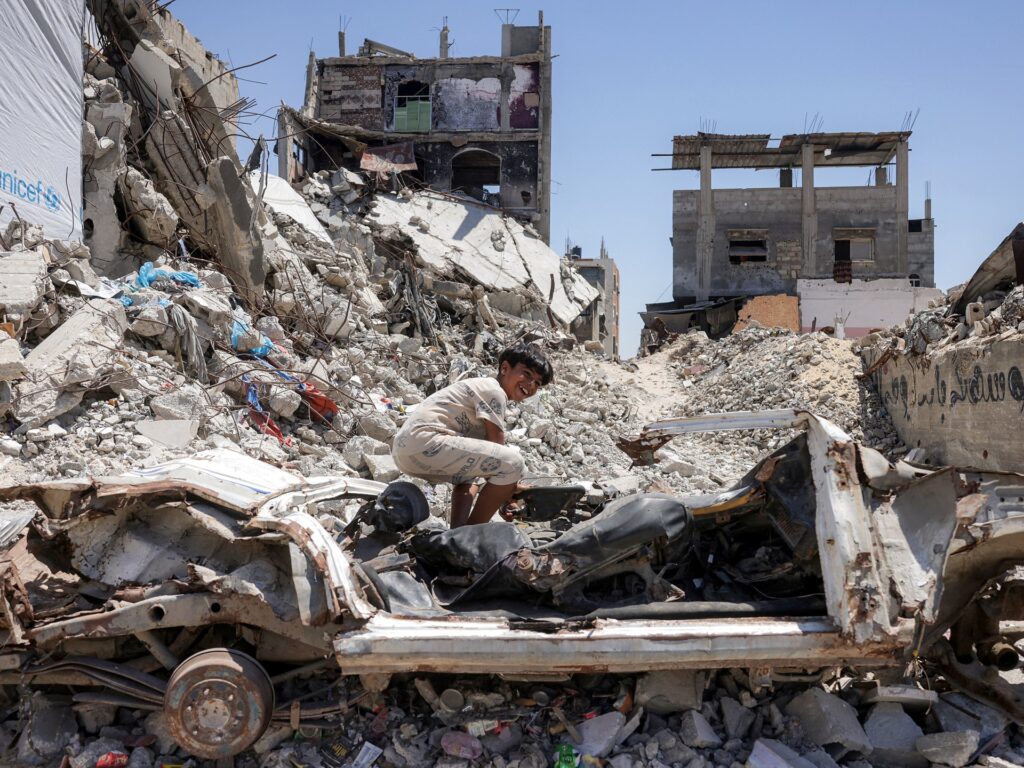
The Gaza Health Ministry issued a stark warning about the deteriorating conditions inside the territory, stating that there is a ‘complete collapse of the basic necessities of life.’ This comes as continual strikes have disrupted essential services, including medical aid and food supplies, critical for the survival of the population in Gaza.
The destroyed warehouse was a major hub for storing and distributing humanitarian aid, including food, water, and medical supplies. Its loss severely hampers relief efforts aimed at assisting the tens of thousands of residents who depend on external aid amidst ongoing conflict.
Humanitarian organizations have condemned the attack, highlighting the urgent need for protected corridors for aid delivery and civilian safety. They emphasize that the destruction of such infrastructure contributes to worsening the already dire humanitarian crisis in Gaza.
Local residents report that the continuous bombardment is causing widespread fear and displacement, with families seeking shelter amid the rubble. Hospitals in the area are overwhelmed, struggling to cope with the influx of casualties and dwindling resources.
The international community has expressed concern about the escalation and the humanitarian impact on Gaza’s population. Calls for an immediate ceasefire and the establishment of safe passages for humanitarian aid have been reiterated in various forums.
This latest development underscores the complexity of the conflict and the urgent need to safeguard civilian lives and critical infrastructure. With basic necessities becoming increasingly scarce, the situation in Gaza remains precarious and demands sustained attention and action from global actors.
As the violence continues, the priority remains to ensure the delivery of aid and the protection of civilians caught in the ongoing conflict, highlighting the critical balance between security concerns and humanitarian needs in the region.