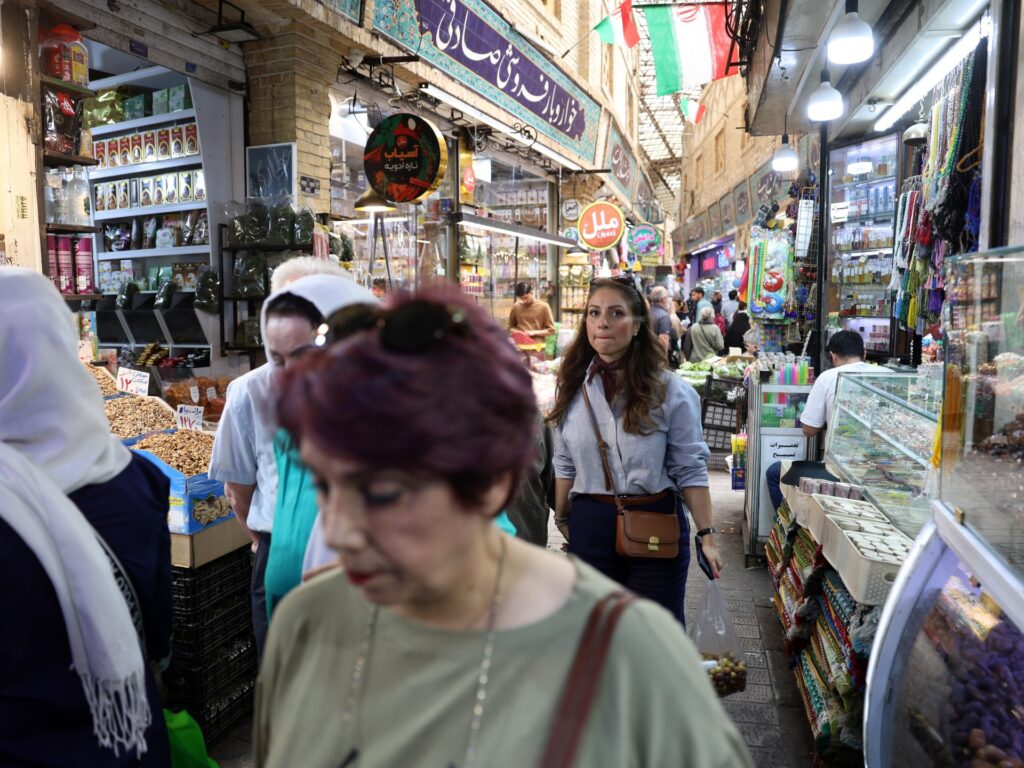
In a recent move, the United States has imposed new sanctions on Iran, signaling what experts interpret as a sign of desperation from the Trump administration. The sanctions are part of a broader economic strategy aimed at compelling the Iranian government to comply with U.S. demands, particularly concerning its nuclear program and regional activities.
However, many analysts are skeptical about the effectiveness of these sanctions in achieving their intended goals. They argue that economic pressure alone is unlikely to force the Iranian government to capitulate or make significant concessions to the U.S. The sanctions are viewed as an escalation of economic warfare that may instead harden Iran’s stance rather than weaken it.
The economic measures include restrictions on Iranian banks, energy exports, and individuals associated with the Iranian leadership. These steps are designed to choke off Iran’s revenue streams and limit its influence in the Middle East. Despite the severity of these sanctions, experts caution that Iran has historically shown resilience to economic hardships through various means, including alternative trade partnerships and domestic resourcefulness.
Some experts suggest that the sanctions could further isolate Iran internationally, but they also raise concerns about potential humanitarian impacts on the Iranian population. The sanctions may lead to shortages of essential goods and services, exacerbating the economic difficulties faced by ordinary Iranians.
Observers note that the timing of these sanctions could be influenced by domestic political considerations within the U.S. Some interpret the aggressive stance as an attempt by the Trump administration to project strength and resolve on the international stage, especially ahead of elections or other political milestones.
Furthermore, experts warn that the focus on sanctions might overshadow the need for diplomatic engagement. They argue that without parallel efforts to open diplomatic channels, the sanctions approach risks entrenching hostility and reducing the chances for negotiation.
The history of U.S.-Iran relations has been marked by cycles of confrontation and dialogue. Past experiences show that economic sanctions, while impactful, have not been sufficient on their own to bring about lasting agreements. Instead, comprehensive strategies that include diplomacy, security assurances, and mutual concessions are often necessary.
In summary, the latest sanctions imposed by the U.S. aim to intensify pressure on Iran, but experts question their potential effectiveness. They suggest that the move reflects a sense of urgency or desperation on the part of the Trump administration. Ultimately, resolving tensions between the two countries will likely require more than economic escalation; it will necessitate a balanced approach that combines sanctions with sustained diplomatic efforts.