In a recent and highly controversial incident, Israeli forces conducted a raid on a United Nations-operated training centre located in occupied East Jerusalem. The operation has sparked international concern and condemnation, given the sensitive location and the involvement of a UN institution.
The raid was marked by the raising of the Israeli flag at the facility, symbolizing a significant and provocative assertion of Israeli authority over the site. This act, carried out in such a contested area, has further heightened tensions in an already volatile region.
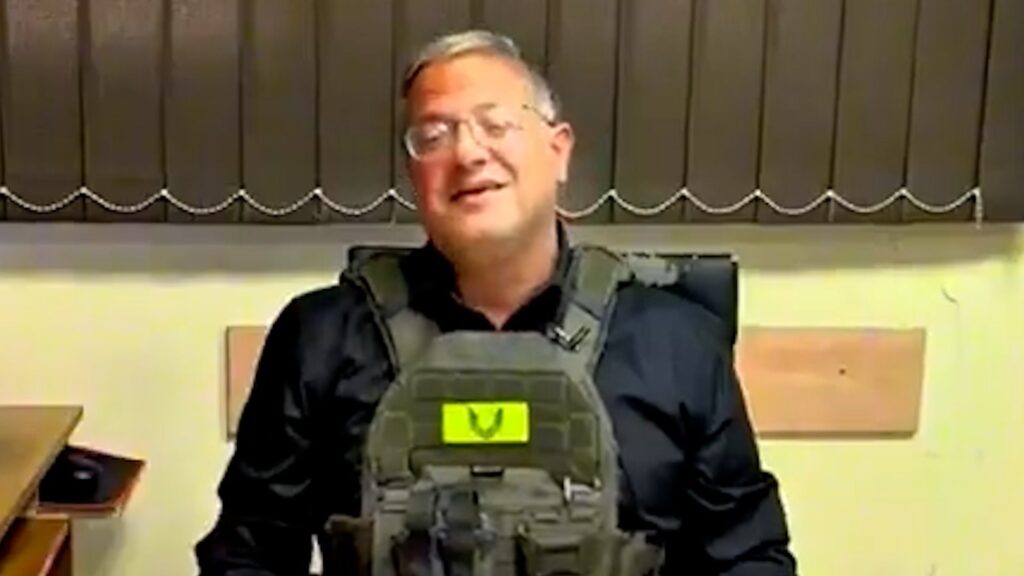
One of the prominent figures celebrating the event was Itamar Ben-Gvir, a far-right Israeli politician known for his hardline views on security and settlements. His presence and expressions of approval following the raid underscored the political undertones and the domestic support for such actions from certain factions within Israel.
The UN training centre in question has been a focal point for capacity building and training initiatives aimed at fostering development and cooperation within the local community. Its occupation by Israeli forces interrupts these programs and raises questions about the future of international efforts in the area.
International reactions to the raid have been swift. Various UN officials condemned the incursion, emphasizing the importance of respecting the neutrality and integrity of UN facilities. They called for the immediate restoration of the site to its UN administration and urged all parties to refrain from actions that could escalate tensions.
The incident reflects the broader conflict dynamics between Israel and the Palestinians, where access and control of territory remain deeply contentious issues. East Jerusalem, captured by Israel in 1967 and later annexed—a move not recognized internationally—remains one of the most disputed areas.
The Israeli government has not provided an extensive official explanation for the raid, but sources close to the operation highlight concerns over security and the prevention of activities they consider hostile.
Human rights organizations have expressed alarm over the raid, citing violations of international law and the potential impact on the civilian population that the UN centre serves. They stress the importance of upholding international norms and protecting humanitarian spaces.
Local Palestinian communities have reportedly expressed outrage and fear following the raid, viewing it as another act of aggression and occupation. The raising of the Israeli flag is seen not only as a symbolic gesture but also as an assertion of control that undermines Palestinian claims to East Jerusalem.
This event further complicates the already fragile peace process and contributes to the ongoing narrative of conflict in Jerusalem.
Diplomatic efforts will likely be intensified in the coming days to address the fallout from the raid, with international stakeholders calling for restraint and dialogue.
The situation remains fluid, and developments will be closely watched by observers around the world as they could have implications for regional stability and international relations.
In summary, the Israeli raid on the UN training centre in East Jerusalem and the subsequent raising of the Israeli flag have reverberated globally, symbolizing the complex and deeply entrenched conflicts over territory, sovereignty, and international law in the region.