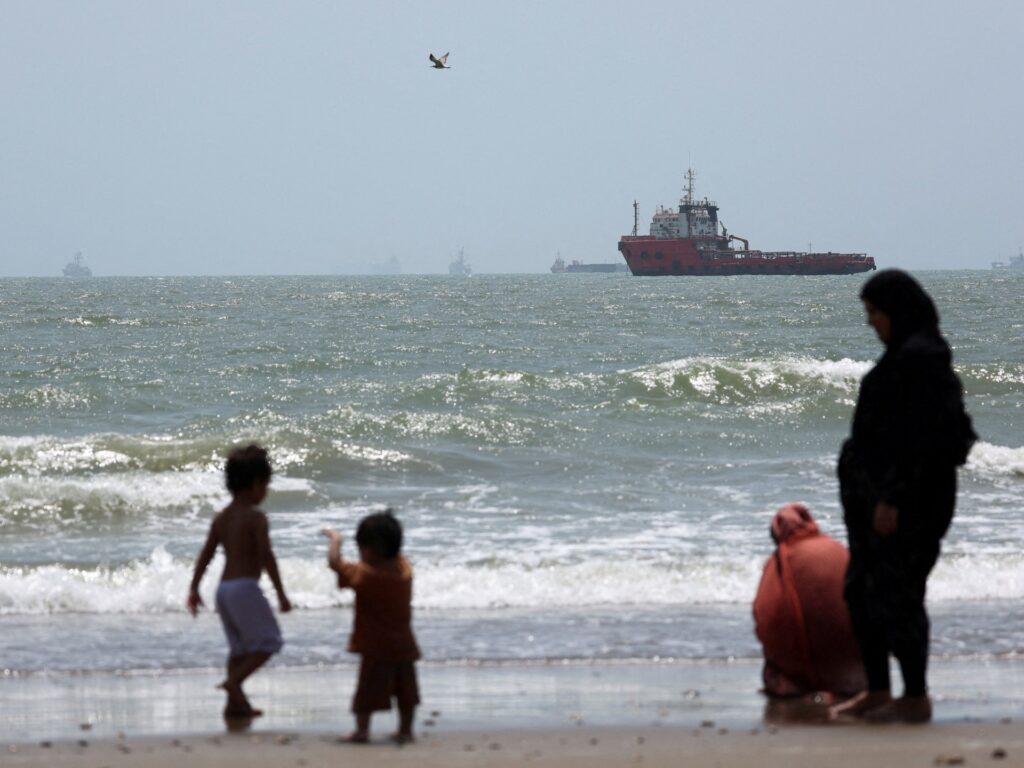
In recent developments surrounding the tense geopolitical landscape of the Persian Gulf, Iran has made a critical announcement regarding the status of the strategic Strait of Hormuz. Despite an agreement reached with Oman concerning passage routes through the Strait, Tehran has firmly stated that this does not mean the Strait of Hormuz is open for free navigation.
The Strait of Hormuz, a vital maritime corridor through which a significant portion of the world’s oil supply passes, has long been a focal point of regional and international tensions. Control and accessibility of this passageway are crucial, making any statement about its operational status significant on a global scale.
Iran’s announcement came following reports of an agreement with Oman to establish certain routes through the Strait. However, Iran clarifies that this agreement does not imply that the strait is open for general shipping or free navigation. This insistence underscores Iran’s strong position on the matter and suggests that the country retains control over access and movement in these waters.
The geopolitical context around the Strait of Hormuz is complex, involving multiple actors and interests. Iran has repeatedly warned of closing the Strait in response to international pressures or military threats, an act that would have far-reaching implications for global energy markets and international trade.
Oman, an important regional player and often viewed as a mediator between Iran and Western countries, negotiated the routes agreement, presumably aiming to ease tensions and ensure continued passage for maritime traffic. However, Iran’s latest statement signals that despite these diplomatic efforts, the security and management of the Strait remain under strict Iranian authority.
This development comes amid ongoing conflict dynamics in the region, where the Strait of Hormuz frequently becomes a flashpoint due to its strategic importance. Security concerns, sanctions, and military presence all contribute to a fragile status quo, with little margin for miscalculation.
International stakeholders, including global superpowers and energy-importing nations, are closely monitoring these developments. Disruptions in the Strait could severely impact global oil supply chains, leading to significant economic repercussions worldwide.
The announcement serves as a reminder that despite diplomatic engagements, underlying tensions persist, and access through this crucial maritime chokepoint remains a tightly controlled issue. Observers and policymakers alike must remain vigilant to the evolving situation to anticipate potential shifts and impacts on international stability and economic security.
In conclusion, while an agreement on routes through the Strait of Hormuz with Oman has been publicized, Iran’s declaration that the strait remains closed highlights the ongoing complexities and strategic considerations at play in this vital region. The situation continues to demand careful diplomatic navigation and international attention.