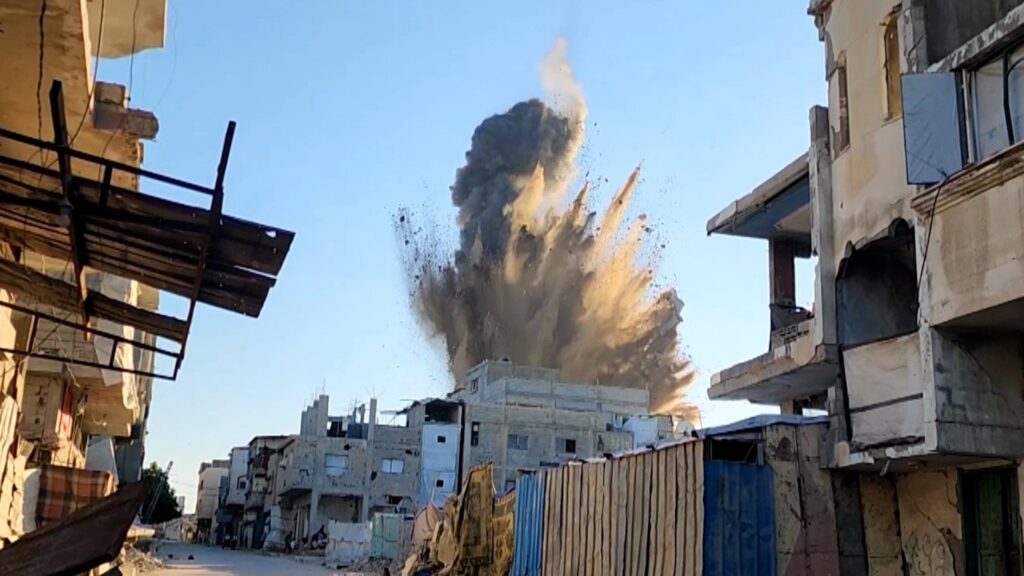
In a recent escalation of hostilities, Israel has launched attacks on two significant sites in Gaza: a critical water desalination plant and a mosque. This move comes amid intensifying military operations against the densely populated enclave, raising concerns about the impact on civilian infrastructure and humanitarian needs.
The desalination plant targeted in the strike is a vital source of potable water for Gaza’s population. Given the region’s scarce water resources, the plant plays a crucial role in providing safe drinking water to thousands of residents. Damage to such infrastructure threatens to exacerbate an already dire humanitarian situation by limiting access to clean water, which is essential for health, sanitation, and daily survival.
In addition to the water plant, a mosque was also hit in the ongoing assaults. Mosques in Gaza are not only places of worship but often serve as community centers and shelters, especially during times of conflict. The attack on this religious site could have a profound symbolic impact and further inflame tensions in the area.
These attacks come as part of a broader surge in military activity by Israel in Gaza, which has involved airstrikes and ground operations aimed at neutralizing militant threats. However, targeting civilian infrastructure like water plants and places of worship raises serious questions about the proportionality and legality of the operations under international law.
Humanitarian organizations and international observers have expressed grave concerns over the consequences of these strikes. The destruction of the desalination plant significantly threatens the availability of clean water for millions of people, increasing the risk of waterborne diseases, dehydration, and other health crises.
The attack on the mosque has also drawn condemnation from various quarters, highlighting the sensitivity of religious sites in conflict zones and the potential for further escalation in hostilities. The representation of religious and civilian structures in conflicts often appeals to international humanitarian norms protecting cultural and religious heritage.
As the situation in Gaza deteriorates, the international community is calling for restraint and urging all parties to respect civilian lives and infrastructure. Efforts to facilitate humanitarian access are critical to prevent a worsening of the crisis amid ongoing violence.
This recent development underscores the complex and contested nature of the conflict in Gaza and the severe impact on civilians, who bear the brunt of the hostilities. Continued dialogue and pressure for ceasefires remain essential to mitigate further suffering and address the root causes of the conflict.
In summary, Israel’s attacks on the desalination plant and mosque in Gaza mark a troubling escalation with significant humanitarian implications. The destruction of essential water infrastructure endangers public health, while the targeting of religious sites risks inflaming tensions and undermining prospects for peace. The situation calls for urgent attention from the global community to protect civilian infrastructure and promote efforts toward a sustainable resolution.