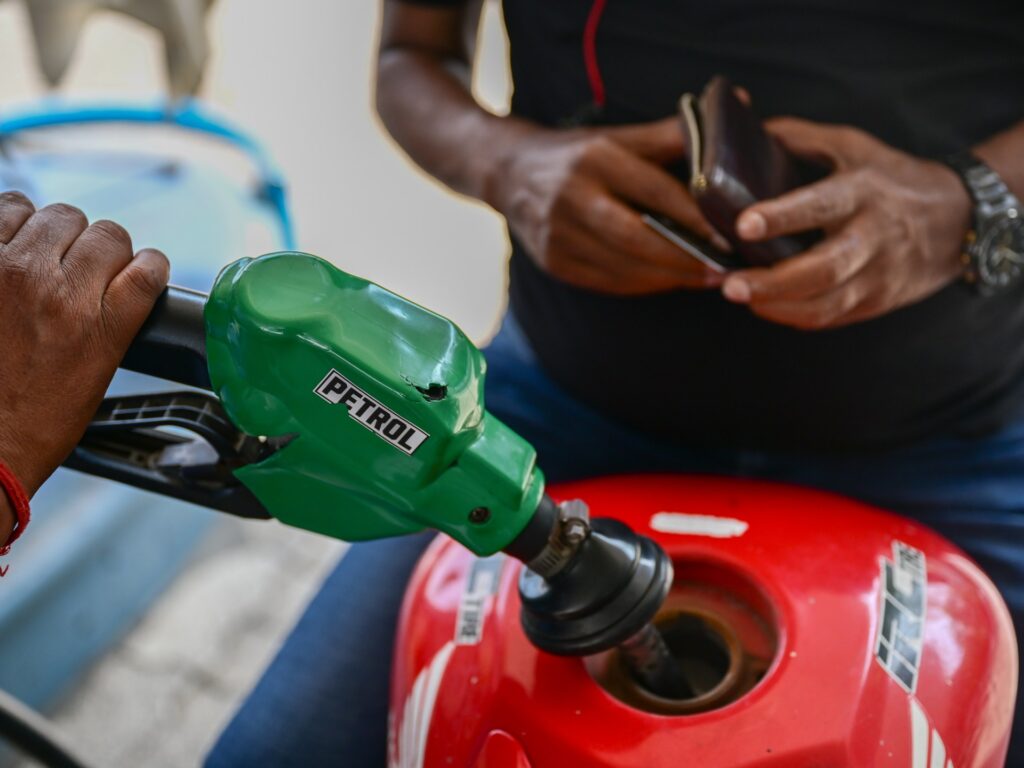
Since the onset of military conflicts involving Iran, notably the attacks by the US and Israel, there has been a significant surge in petrol prices worldwide. At least 145 countries have reported notable increases in the cost of petrol, impacting consumers globally.
The geopolitical tensions in the Middle East have disrupted oil supply chains, leading to fears of shortages and increased speculation in oil markets. These disruptions have directly translated to higher prices at the pump, affecting individuals, businesses, and economies.
Petrol prices, which are a critical element in transportation and logistics costs, have risen by varying margins depending on regional dependency on Middle Eastern oil and local economic conditions. Consumers in many nations face heavier burdens as daily commuting and transportation costs climb.
Economists warn that sustained conflicts could continue to drive prices upwards, potentially triggering inflationary pressures worldwide. The increase in petrol prices has already led to increased costs for goods and services, adding to the financial strain on households.
Governments and international bodies are monitoring the situation closely, seeking ways to stabilize energy markets and mitigate adverse socio-economic impacts. Meanwhile, the volatility underscores the delicate balance of global energy security and the far-reaching effects of geopolitical conflicts.
In light of these events, many countries are also revisiting energy policies, accelerating investments in alternative energy sources, and promoting energy conservation to reduce reliance on volatile fossil fuel markets.
This global scenario highlights the interconnected nature of energy supply, geopolitical stability, and economic health, with ongoing conflicts in critical regions like Iran having widespread ramifications on petrol prices and beyond.