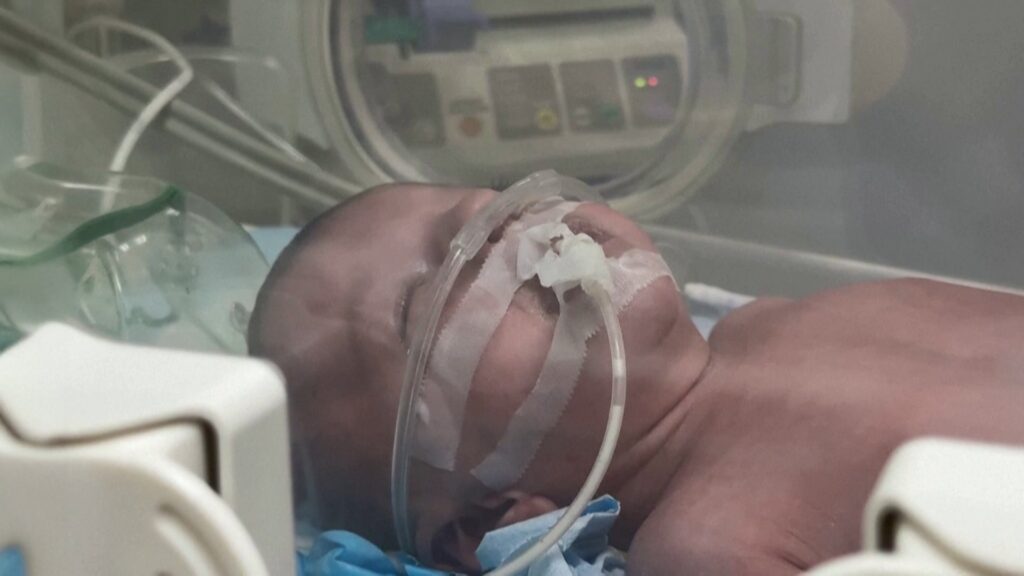
Gaza is currently facing a dire humanitarian crisis as its hospitals grapple with a severe shortage of medical oxygen, a situation that threatens to collapse the already strained healthcare system. This shortage is putting the lives of premature babies, critically ill patients, and others requiring urgent medical care at extreme risk.
The oxygen crisis has emerged due to a combination of factors including ongoing conflict, blockades, and limited access to essential medical supplies. Hospitals in Gaza are struggling to provide the necessary care for patients who rely on oxygen therapy, such as those in intensive care units, individuals with respiratory illnesses, and newborns in neonatal intensive care.
Premature babies, who often require supplemental oxygen to survive, are particularly vulnerable during this shortage. Without adequate oxygen supply, their chances of survival drop significantly, raising alarm among healthcare workers and humanitarian organizations.
Medical staff report having to make difficult decisions about rationing oxygen supplies, prioritizing patients based on the severity of their condition. This scenario highlights the immense pressure placed on healthcare providers and the ethical challenges they face in such emergencies.
The shortage also affects critical care for patients with chronic illnesses or those recovering from surgeries, as oxygen is essential for their treatment and recovery process.
Healthcare facilities in Gaza are also battling electricity shortages, which compound the difficulties in delivering life-saving care. Oxygen generators require reliable power, and frequent outages further hinder the hospital’s ability to maintain adequate oxygen levels.
International aid organizations have called for urgent intervention to deliver oxygen supplies and medical equipment to Gaza. They emphasize the need for unobstructed access to humanitarian aid to prevent a catastrophic health crisis.
The broader healthcare system in Gaza is fragile, already strained by years of conflict, economic hardship, and limited resources. The oxygen shortage is a critical symptom of this larger problem, underscoring the urgent need for international support and conflict resolution to restore stability and health services to the region.
In the meantime, families in Gaza endure the traumatic reality of watching loved ones struggle for breath, hoping for relief amid an unfolding medical emergency. The escalation of this crisis could lead to a surge in preventable deaths if swift action is not taken.
In conclusion, Gaza’s hospitals are on the brink of collapse due to oxygen shortages, exacerbating the suffering of the population. Immediate humanitarian aid, increased oxygen supply, and sustained efforts to stabilize the region are crucial to saving countless lives and preventing further deterioration of Gaza’s healthcare system.