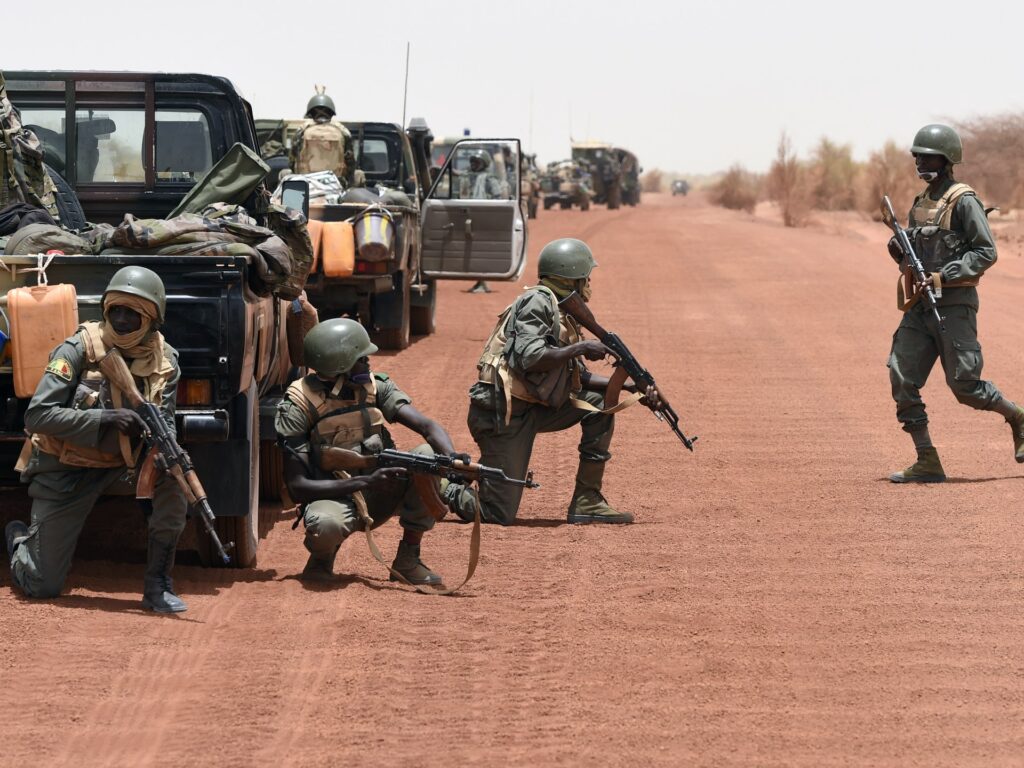
The relationship between Nigeria and the Sahel region is experiencing heightened tensions as a growing security divide complicates efforts to address mutual threats. Historically, the Sahel—a vast region stretching across Africa just north of Nigeria—has shared intertwined security concerns with Nigeria, especially due to the transnational activities of extremist groups.
In recent years, the security landscape in both Nigeria and the Sahel has deteriorated significantly. Violent extremist organizations, including Boko Haram, Islamic State affiliates, and other insurgent groups, operate across porous borders, exploiting weak governance and vast unmonitored spaces. This has led to an escalation in attacks, kidnappings, and destabilizing acts affecting communities in both regions.
However, diplomatic relations and cooperation between Nigeria and Sahel countries are currently marked by increasing friction. Disagreements over strategies, leadership roles, and resource allocation have surfaced, hindering collective responses to the shared threat. Nigeria, with its larger population and military capacity, has sought to take a prominent role in regional security initiatives, while Sahel nations emphasize sovereignty and demand equitable partnerships.
A significant challenge arises from differing threat perceptions and priorities. While Nigeria prioritizes combating Boko Haram and related groups within its borders and immediate neighbors, Sahel countries face a broader spectrum of security threats, including jihadist insurgencies that often transcend Nigerian concerns. This divergence has led to an impasse in coordinating military operations, intelligence sharing, and cross-border patrols.
Border security remains a critical problem area. The extensive and often unmanned borders facilitate the free movement of extremist fighters, weapons, and illicit goods. Efforts to seal or secure these borders have been impeded by logistical difficulties, poor infrastructure, and sometimes mistrust between adjacent countries.
Furthermore, the social and economic challenges prevalent in both regions, such as poverty, unemployment, and weak institutions, create fertile ground for extremism to flourish. Without addressing these root causes, military campaigns alone may only offer limited and temporary relief.
International partners and regional organizations, such as the African Union and the G5 Sahel joint force, have attempted to mediate and support cooperative efforts. Yet, the growing diplomatic divide between Nigeria and the Sahel states threatens to undermine these multilateral initiatives.
Experts argue that bridging this security divide requires renewed dialogue, building trust, and agreeing on a unified approach that respects the distinct contexts within each country while fostering shared objectives. Enhanced intelligence sharing, joint training exercises, and coordinated development programs could foster stronger regional resilience.
Community engagement is equally vital. Including local leaders and populations in security strategies helps in gaining actionable intelligence and reducing support for extremist elements.
In conclusion, Nigeria and the Sahel face an urgent need to overcome diplomatic rifts and build a cohesive security partnership. Only through coordinated, inclusive, and well-resourced efforts can the pervasive cross-border threats be effectively countered, ensuring stability and peace for the people of this critical region.