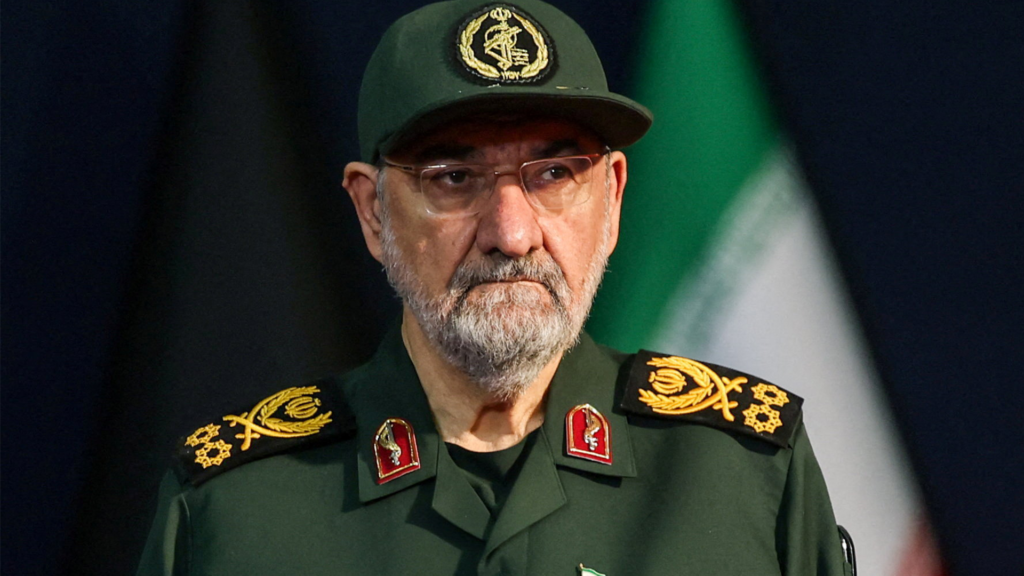
Iran has issued a stern warning to countries considering participation in the US-led economic sanctions against Tehran, describing the initiative as an economic ‘D-Day’. Iranian officials have stated that any nation siding with America in these measures will face direct and reciprocal retaliatory actions. The warning comes amidst heightened tensions between the two nations, with the US intensifying its economic pressure campaign aimed at curtailing Iran’s nuclear program and regional influence.
The Iranian government refers to these sanctions as a form of economic warfare, intended to cripple the country’s economy and limit its ability to operate on the international stage. Iranian authorities have emphasized that the response to such actions would be swift and punitive, signaling a commitment to defending their national interests by any means necessary.
Analysts note that the term ‘economic D-Day’ underscores the severity with which Iran views this coordinated international effort, likening it to a major offensive. Tehran’s threat of ‘tit-for-tat’ retaliation means countries aligning with the US could face consequences ranging from trade restrictions to diplomatic estrangement.
Several nations have already tightened their economic ties with Iran in response to US sanctions, though some remain cautious, weighing the risk of Iranian backlash. The situation highlights the complexity of international relations where economic policy intersects with strategic and security considerations.
Iran’s announcement also serves as a message to domestic audiences, projecting an image of resilience and defiance against foreign pressure. It underscores the Iranian leadership’s focus on national sovereignty and its readiness to counter external moves perceived as hostile.
The US administration, for its part, maintains that its sanctions aim to bring Iran to negotiate on nuclear proliferation and regional security issues, rather than to provoke or destabilize. The effectiveness of these economic maneuvers and the global response to them remain subjects of intense debate among policymakers worldwide.
As tensions persist, the risk of escalation through economic and diplomatic channels remains high. Countries caught between the US and Iran face difficult decisions that could impact their economic future and international standing. The unfolding situation continues to be a significant flashpoint in global geopolitics, reflecting broader struggles over influence and power in the Middle East and beyond.