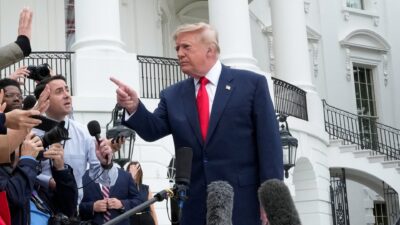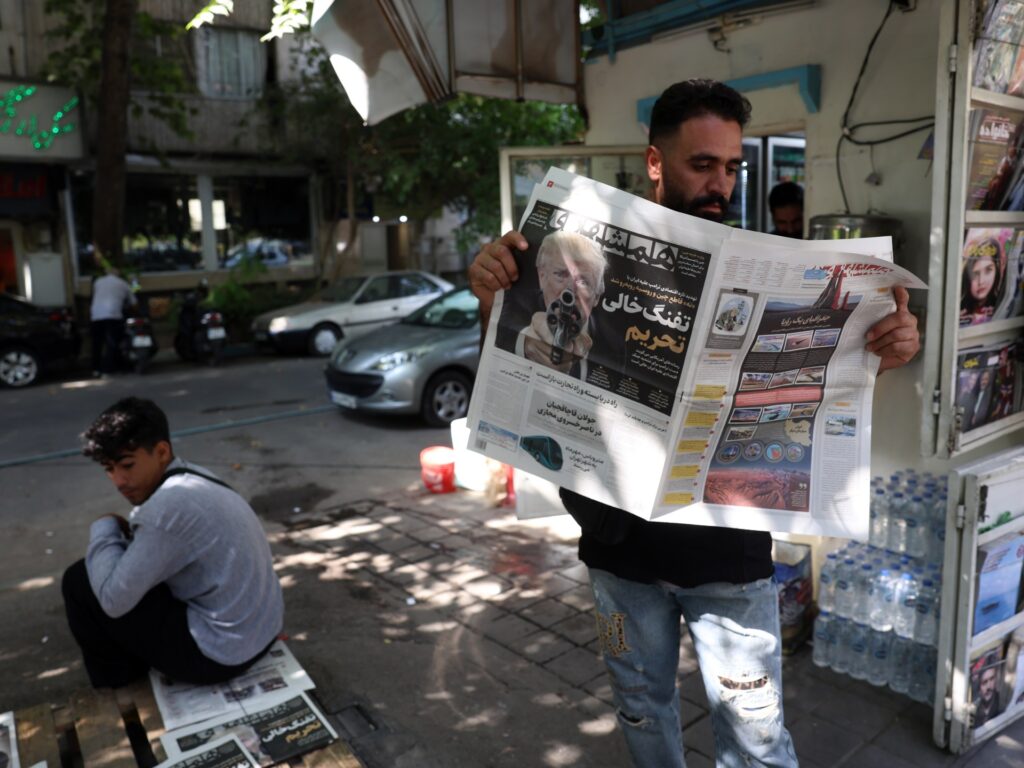
In a significant geopolitical development, Iran has issued a stern warning to neighboring countries cautioning them against aligning with the United States in its economic campaign aimed at isolating Tehran. This strong admonition comes amid heightened tensions following US President Donald Trump’s declaration to implement aggressive economic sanctions intended to weaken the Iranian government.
The White House’s economic strategy seeks to curb Iran’s influence in the region and impede its nuclear ambitions by pressuring trade partners and allies to sever economic ties. President Trump’s administration has emphasized that these measures are designed to cut off Iran’s financial lifelines and compel it to alter its policies. However, Iran’s leadership has conveyed firm opposition to these sanctions, urging neighboring countries to resist participating in what it describes as an “economic war.”
Iran’s officials argue that such sanctions not only harm the Iranian people but also destabilize the broader Middle East region by escalating tensions and undermining cooperation among regional states. Tehran’s warning highlights concerns over the potential economic fallout for neighboring countries that comply with the US-led sanctions, including disruptions in trade and economic partnerships.
Analysts note that Iran’s warning reflects a broader strategy to rally regional support and foster resistance against US economic pressures. By targeting neighboring countries, Iran aims to protect its economic interests and maintain critical cross-border trade routes that have been vital in circumventing previous sanctions.
The US sanctions have already led to significant challenges for Iran’s economy, limiting its oil exports and access to international financial systems. The Trump administration maintains that these pressure tactics are necessary to bring Iran to the negotiating table to address concerns related to its nuclear program and regional activities.
Neighboring countries face a delicate balancing act as they navigate their diplomatic ties with both Iran and the United States. Compliance with US sanctions could result in economic penalties from Washington, while defying those sanctions risks straining relations with the US.
This growing economic standoff underscores the complex dynamics of Middle Eastern geopolitics, where economic tools are increasingly becoming weapons in the broader strategic contest between the US and Iran. The future trajectory will largely depend on the willingness of regional players to either align with Washington’s economic agenda or heed Tehran’s call for unity against what it terms unlawful economic aggression.
In conclusion, Iran’s alert to its neighbors underlines the escalating tensions and the high stakes involved as both Iran and the US intensify economic and diplomatic efforts to assert influence. The outcome of this ongoing conflict will have profound implications for regional stability, economic collaboration, and the broader international approach towards Iran’s contested policies.