In a significant escalation of economic pressure on Iran, the United States has announced its toughest set of sanctions yet, aiming to cripple the Iranian government’s financial resources and prompt a political shift. US Treasury Secretary Bessent has emphasized that the newly introduced measures are designed to “collapse” the Iranian regime by cutting off critical streams of revenue and access to international banking systems.
The sanctions target key sectors of the Iranian economy, including its energy exports, financial institutions, and entities linked to the government and military. The move comes amid heightened tensions in the region, following a series of confrontations and security concerns that have drawn international attention.
Secretary Bessent stated that the sanctions will deny Iran the means to fund its controversial nuclear program and its regional activities, which the US and its allies have frequently condemned. He also underscored the importance of multilateral support in enforcing these sanctions to ensure maximal impact.
A crucial aspect of the US strategy is to secure China’s cooperation in implementing the sanctions. The US has called on Beijing to join the efforts, highlighting China’s significant trade and energy ties with Iran. Washington believes that China’s adherence to the sanctions will isolate Iran economically and increase pressure on its leadership to reconsider its policies.
China’s response has been cautiously observed, given its complex geopolitical and economic interests in the Middle East. Officials in Beijing have so far not fully committed to sanction enforcement, citing concerns about regional stability and the impact on global energy markets.
The international community is closely monitoring the situation, with many nations urging dialogue and diplomatic solutions to avoid further escalation. However, the US remains firm in its stance that economic sanctions are a necessary tool to bring about change in Tehran’s behavior.
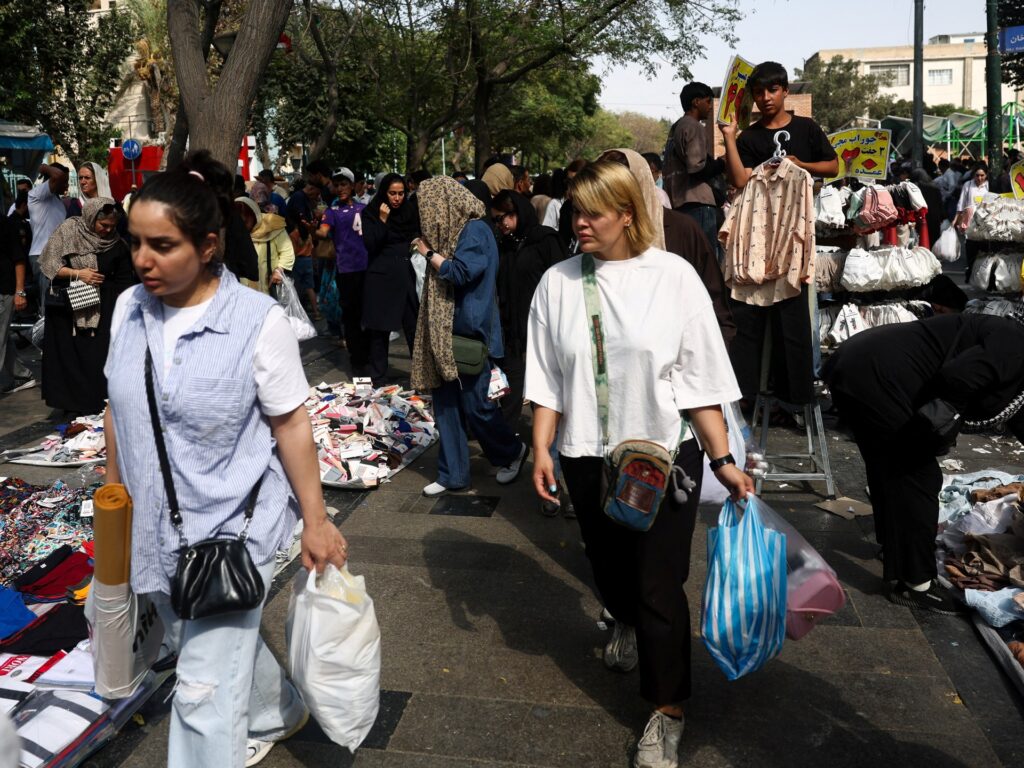
Analysts predict that the new sanctions could lead to significant disruptions within Iran, exacerbating economic difficulties for the Iranian population. There are growing fears about humanitarian impacts, prompting calls for careful calibration of sanctions to minimize suffering while maintaining pressure on the government.
This latest development marks a critical chapter in the ongoing conflict between the US and Iran, reflecting broader geopolitical struggles and the complex dynamics of international diplomacy. As the situation unfolds, global markets and political alliances are expected to respond to these escalating tensions.
In sum, the US has launched its most stringent sanctions campaign against Iran to date, seeking to isolate the country economically while rallying international support, particularly from China. How this will influence the broader geopolitical landscape remains to be seen, but the move unquestionably raises the stakes in the ongoing conflict with Iran.