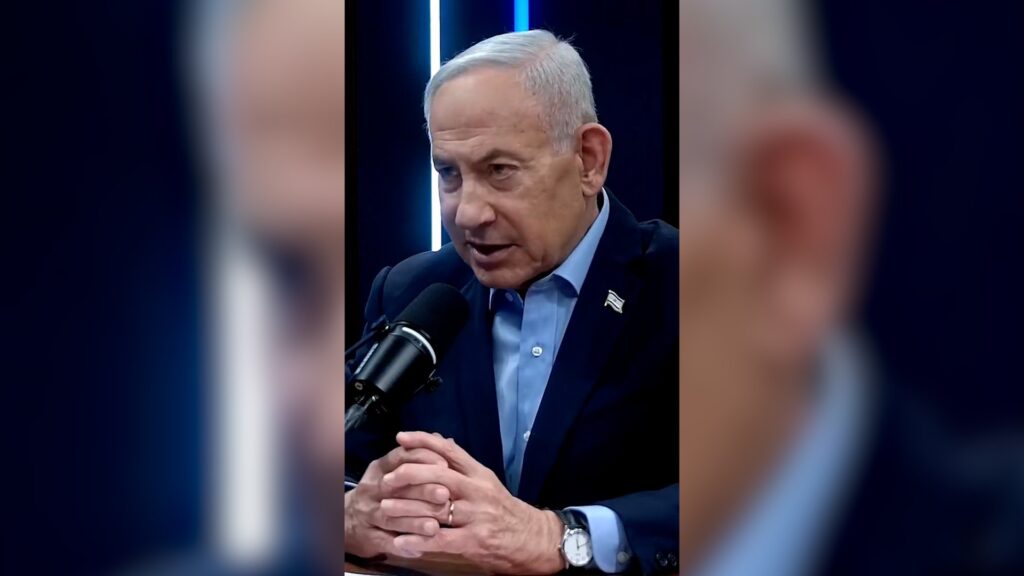
Israeli Prime Minister Benjamin Netanyahu has issued a stern warning that Israel will not tolerate a Turkish military presence in Syria. This announcement highlights growing tensions in the region concerning the involvement of foreign powers in the Syrian conflict. Netanyahu’s statement underscores Israel’s concerns over Turkey’s military activities near its borders, which it perceives as a potential threat to its national security.
The Syrian conflict has drawn in multiple external actors, each with their strategic interests. Turkey’s military presence in northern Syria is part of its broader objectives to counter Kurdish forces, which Ankara considers terrorists, and to establish a buffer zone along its southern frontier. However, Israel views this presence as destabilizing and a potential infringement on its security interests.
Netanyahu’s warning comes amid a complex regional backdrop where alliances and hostilities overlap. Israel has frequently expressed apprehension about the growing influence of Iran and its allied militias in Syria, fearing that this could lead to increased attacks on Israeli territory. Turkey’s involvement adds another layer of complexity to the already volatile situation.
The Israeli Prime Minister’s remarks may signal a possible shift toward a more assertive policy regarding Turkish activities in Syria. Historically, Israel and Turkey have maintained a complicated relationship, oscillating between cooperation and rivalry. The recent developments suggest a deterioration in relations, particularly in the context of Syria.
Regional experts note that Netanyahu’s stance reflects broader regional dynamics where sovereignty and military presence are fiercely contested. Israel’s warning may serve as a deterrent aimed at dissuading Turkey from expanding its military footprint in Syria.
Furthermore, the statement from Netanyahu comes at a time when diplomatic efforts to resolve the Syrian crisis have largely stalled, with multiple parties maintaining entrenched positions. Turkey’s military actions in Syria have been criticized by various international actors, and Israel’s clear opposition adds to the international pressure on Ankara.
The situation remains fluid, and the potential for confrontation between Israel and Turkey, although currently rhetorical, cannot be dismissed outright. Both nations have significant military capabilities, and any escalation could have widespread implications for regional stability.
In summary, Netanyahu’s warning signifies a critical point in Israel-Turkey relations, with Syria as the epicenter of this tension. Israel’s firm stance against a Turkish military presence marks a clear message aimed at safeguarding its security interests amidst the ongoing conflict in Syria.
The coming weeks will be crucial in determining whether Turkey revises its military strategy in northern Syria or if tensions between these regional players escalate further, potentially reshaping the geopolitical landscape of the Middle East.