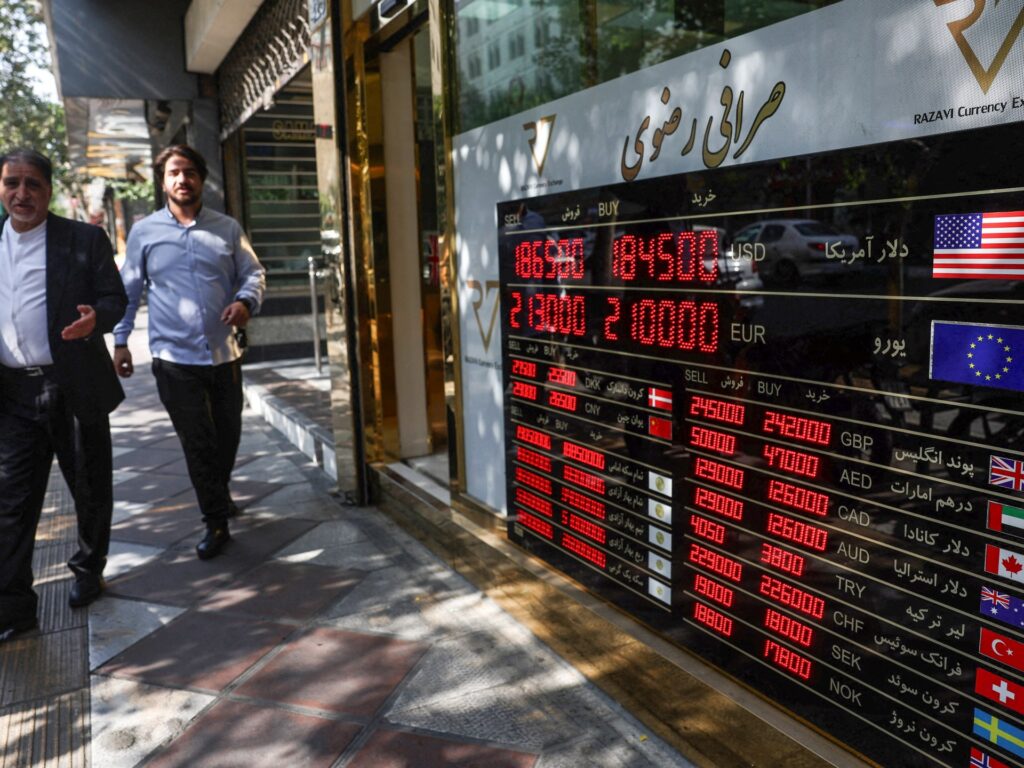
In the ongoing tensions between the United States and Iran, Tehran has recently responded to President Donald Trump’s announcement of new economic measures, claiming that these sanctions will ultimately fail. This development marks the continuation of the strained relationship between the two nations, which has seen fluctuating periods of confrontation and negotiation in recent years.
President Trump, during his latest statements, indicated a readiness from Washington’s side to potentially resume diplomatic talks with Tehran ‘at some point’ in the future. This mixed message adds complexity to the geopolitical landscape, where hardline economic tactics coexist with sporadic diplomatic openings.
The new economic measures introduced by the Trump administration reportedly aim to exert additional pressure on Iran’s economy, targeting key sectors like oil, banking, and trade to curtail Tehran’s regional influence and nuclear ambitions. These sanctions follow previous rounds of economic restrictions that the U.S. has imposed since withdrawing from the Iran nuclear deal in 2018.
Iranian officials have openly criticized these measures, suggesting that they will not achieve the intended outcome of pressuring Tehran into concessions. Instead, Iranian government representatives argue that these sanctions serve only to strengthen national resolve and unity against external pressures.
Observers note that the dynamic between economic sanctions and diplomatic engagements has been a defining feature of U.S.-Iran relations under the Trump administration. While sanctions seek to isolate and weaken Iran economically, the possibility of returning to the negotiation table indicates a nuanced approach aimed at eventually finding a resolution.
Tehran’s dismissal of the economic measures as ineffective signals confidence in its ability to withstand international pressure, while also reflecting a strategic posture designed to dissuade Washington from expecting swift results from sanctions alone.
The situation remains delicate as both sides weigh their options amid a complex web of regional and global interests. Saudi Arabia, Israel, and other Middle Eastern stakeholders are watching closely, given the potential spillover effects of any escalation or diplomatic breakthrough between the U.S. and Iran.
This moment in the Iran-U.S. saga underscores the ongoing challenge of achieving peace and stability in the region through a balance of coercion and negotiation. The impact of these developments will continue to unfold, shaping the geopolitical order and influencing the prospects for future engagement between Tehran and Washington.