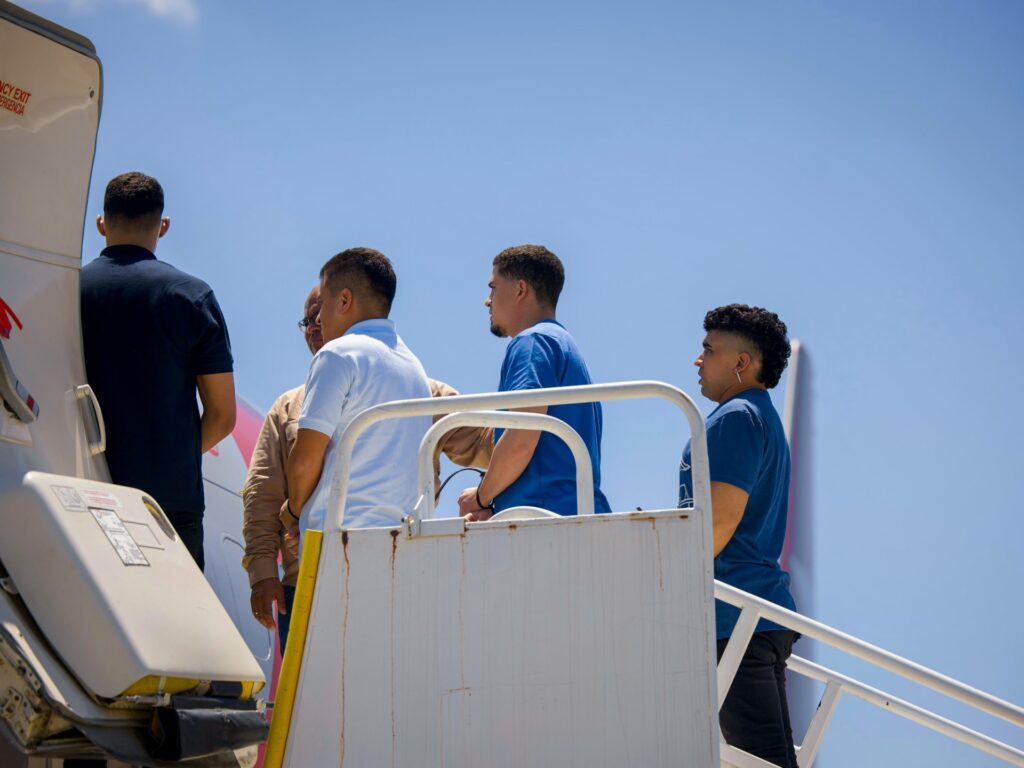
In a significant development, Liberia has welcomed the first group of deportees from the United States, marking the beginning of an anticipated influx of 1,200 individuals. This milestone underscores Liberia’s role in an expanding arrangement with the US government, particularly under the administration of President Donald Trump, to accept third-country deportations.
The initiative reflects a broader strategy of the US to manage its immigration enforcement by coordinating with international partners to repatriate individuals who may not be originally from the US but are present within its borders. Liberia’s participation in this program highlights its growing importance as a key ally and partner in this effort.
The arrival of the deportees is expected to have multifaceted impacts on Liberia, ranging from social and economic reintegration challenges to potential humanitarian concerns. Authorities and local organizations are likely mobilizing resources to support the transitioning individuals in re-establishing their lives.
While the number of deportees expected is around 1,200, the initial batch serves as a critical test of the logistics and coordination required for such operations. It also may provide valuable insights into the effectiveness and consequences of the Trump administration’s third-country deportation policy.
This development has sparked various responses from different stakeholders. Advocates for immigrants’ rights have expressed concern over the treatment and welfare of deportees, emphasizing the need for humane approaches and adequate support systems.
Conversely, proponents of the policy argue that it facilitates better control over immigration and helps safeguard national security by ensuring that deportations are conducted responsibly and in partnership with host nations.
Liberia’s agreement to accept deportees places it among a select group of countries cooperating with the US in this complex and often contentious area of international relations. The partnership points toward a trend of increased global cooperation on immigration issues, albeit one fraught with significant diplomatic and ethical considerations.
As the situation unfolds, attention will likely focus on how Liberia manages the arrivals and integrates the deportees, the responses from the international community, and the broader implications for US immigration policy under the Trump administration and beyond. The ongoing developments will be closely monitored by governments, human rights organizations, and the public alike.