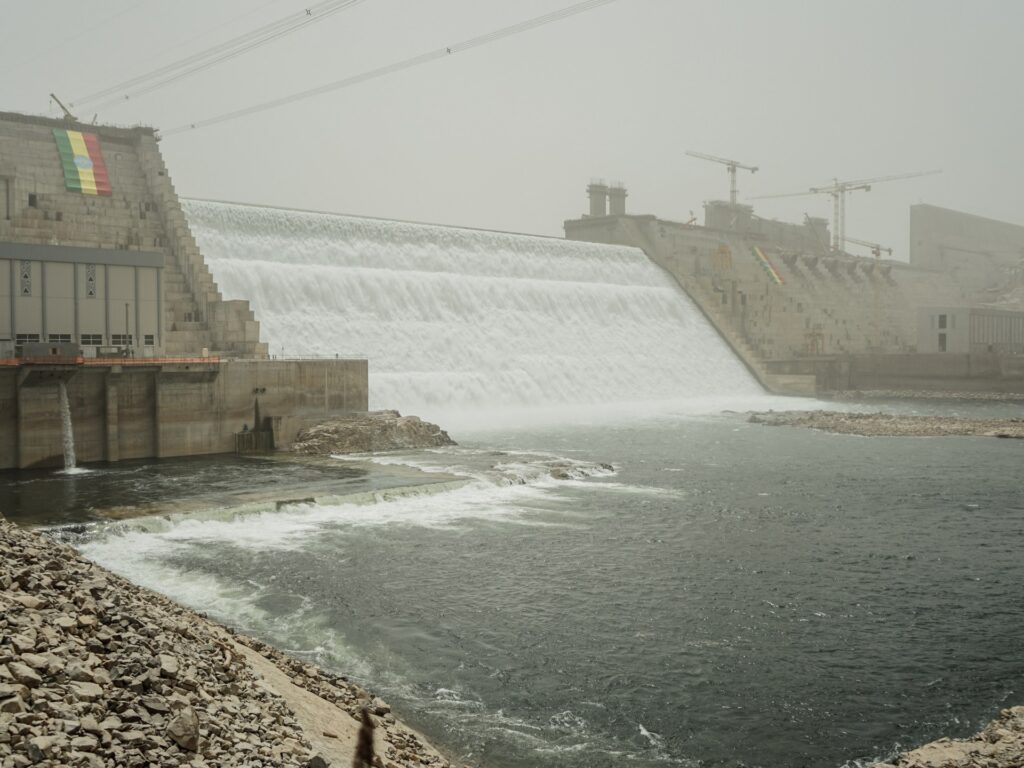
The Grand Ethiopian Renaissance Dam (GERD) marked a transformative moment in the complex and often fraught relationship between Egypt, Ethiopia, and the management of the Nile River’s waters. Despite Egypt’s vigorous diplomatic and political efforts to halt or delay the dam’s construction, Ethiopia succeeded, reshaping regional dynamics and signaling a new era in Nile water politics.
Now, Egypt faces a new challenge as Ethiopia embarks on three additional dam projects along the Nile. These projects further test Egypt’s ability to influence the development and management of the river’s resources after GERD set a precedent for Ethiopia’s assertiveness in harnessing the Nile for its own developmental needs.
The GERD, situated on the Blue Nile, is Africa’s largest hydroelectric project and symbolizes Ethiopia’s ambition to become a significant regional power through energy production and infrastructural advancement. While Egypt, heavily reliant on the Nile for its freshwater, has long seen control over the river’s waters as a matter of national survival, Ethiopia’s pursuit of these dams represents a shift towards diversification and development in upstream countries.
These new projects involve the construction of additional dams upstream of Egypt, which could significantly alter the flow and distribution of Nile waters. The exact impact depends on multiple factors including dam management, rainfall patterns, and regional cooperation. Egypt, historically protective of its Nile water share, perceives these developments as threats to its water security.
The inability of Egypt to prevent Ethiopia from commissioning GERD demonstrated the limits of Egypt’s diplomatic sway in the current geopolitical landscape. International mediation efforts, involving the African Union and other global actors, struggled to reconcile competing interests. This has set a challenging precedent for future negotiations.
Going forward, Egypt’s strategy may involve more robust engagement and negotiation frameworks, aiming for agreements that stabilize water-sharing while accommodating Ethiopia’s developmental aspirations. Egypt may seek to leverage international law, regional partnerships, and economic incentives to shape Ethiopia’s next dam projects’ operational protocols.
The stakes are high. The Nile provides water to over 300 million people across multiple countries. Hydrological changes owing to new dams can impact agriculture, electricity generation, and daily water usage across the basin.
Environmental concerns also populate the discussion. Changes in sediment flow, aquatic ecosystems, and water quality can arise from new dams, affecting biodiversity and the livelihoods dependent on the Nile.
Regional cooperation and dialogue remain critical. Despite tensions, there is a shared interest in sustainable management of the Nile. Enhanced transparency, data sharing, and joint management mechanisms could pave the way for mitigating conflicts.
Egypt’s future role in the Nile basin hinges on its ability to adapt to changing realities and negotiate terms that align with its national interests without alienating upstream partners. The post-GERD landscape demands innovative diplomacy, strategic patience, and multilateral cooperation.
In conclusion, while Egypt failed to stop the GERD’s construction, the emergence of three new Ethiopian Nile dams presents a fresh challenge and opportunity. How Egypt navigates this evolving hydropolitical context will influence the stability and prosperity of the Nile basin for decades to come.