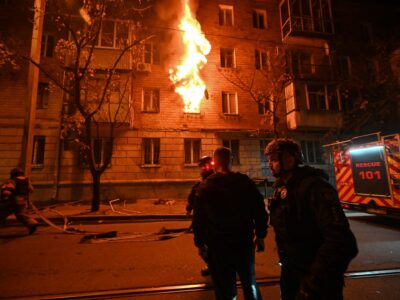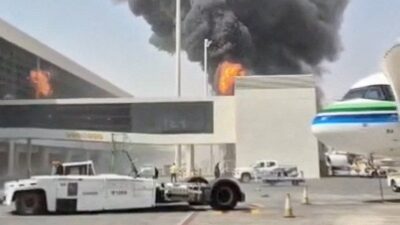
In a rapidly escalating conflict in the Middle East, Iran is alleged to have targeted the United Arab Emirates with two ballistic missiles. This alarming development marks a significant deterioration in the relations between the two nations and has prompted an immediate and stern response from the UAE.
According to reports, the missile attacks were launched from Iranian territory towards key locations within the UAE. While the precise targets and damage assessments remain unclear, the act itself has significant geopolitical implications for the already volatile region.
In response to these attacks, the UAE government has taken the decisive step of suspending all trade activities with Tehran. This move is aimed at exerting economic pressure on Iran and signaling a zero-tolerance stance towards acts perceived as aggression.
The UAE’s suspension of trade with Iran affects a variety of sectors, including oil, gas, and other goods that form the backbone of bilateral commerce. Experts anticipate this disruption will reverberate through regional markets, potentially impacting global oil prices and economic stability.
Historically, the relationship between Iran and the UAE has been complex, marked by instances of cooperation as well as conflict. The recent missile strikes exacerbate existing tensions rooted in territorial disputes, sectarian divides, and differing political alliances across the Middle East.
International actors and global powers have been closely monitoring the situation. The United Nations and other international organizations have called for restraint from all parties involved, urging diplomatic engagement to prevent further escalation.
The United States and European Union have expressed concern over the missile attacks, reiterating their support for the UAE and emphasizing the importance of maintaining regional security. Sanctions against Iran could potentially be bolstered in response to this aggression.
For the citizens of the UAE, the missile attacks have caused significant apprehension and heightened fears of a broader conflict. Security forces have been placed on high alert, and emergency response mechanisms have been activated to safeguard the population.
This incident adds to the already heightened tensions in the Gulf region, where multiple flashpoints exist involving Iran, Saudi Arabia, Israel, and other regional powers. The risk of a wider conflict remains a pressing concern for governments and international security experts.
Diplomatic channels remain open, with efforts underway in various forums to de-escalate the situation. Mediation attempts by regional neighbors and international mediators aim to prevent further military actions.
Should the conflict intensify, the humanitarian impact could be severe, affecting millions of civilians not only in the direct strike zones but across the broader region due to disruptions in trade and essential supplies.
Economic analysts warn that prolonged hostilities could destabilize energy markets and hinder economic growth in the Gulf Cooperation Council (GCC) countries and beyond.
The development also raises questions about the strategic calculations of Iran and the UAE, as well as the involvement of external powers with vested interests in the Middle East.
As the situation unfolds, global watchers emphasize the need for concerted international effort to contain the crisis and promote dialogue over confrontation.
The coming days will be crucial in determining whether the missile attacks will be an isolated incident or the prelude to a larger war in the region.