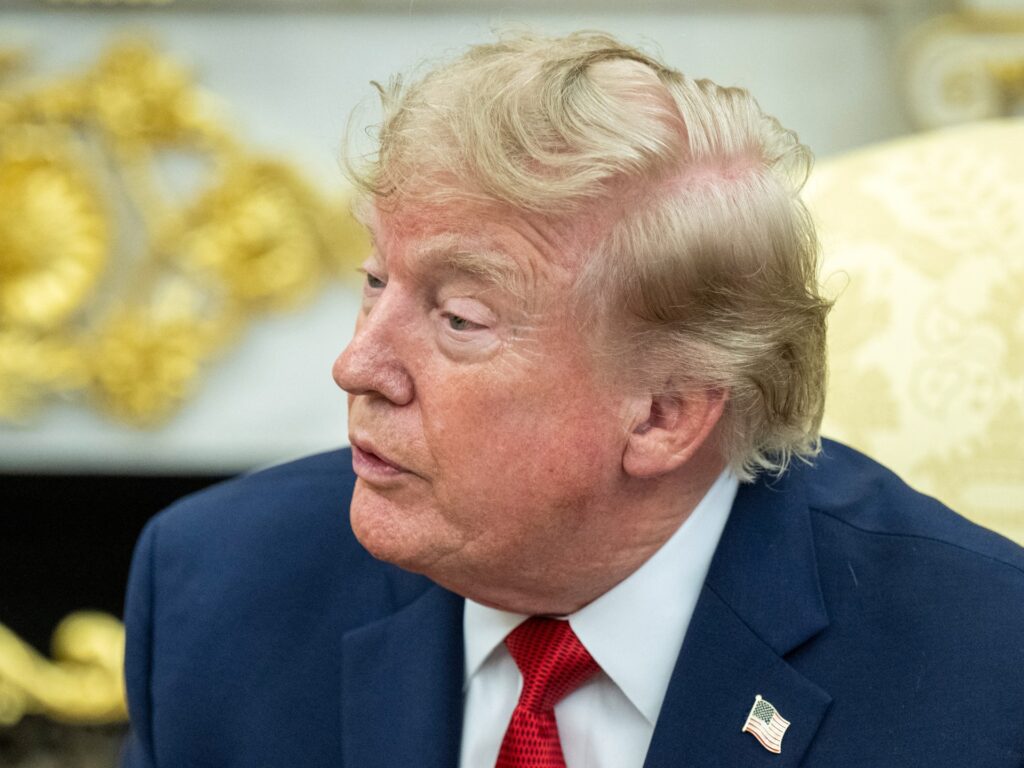
Tensions between the United States and Iran have escalated sharply following the expiration of a Memorandum of Understanding (MoU) between the two nations on Monday. In a strong statement, US President Donald Trump announced his rejection of any extension to the MoU, signaling a hardened stance against Iran. He called on Iran to “put up the white flag of surrender,” underscoring the severity of the diplomatic impasse.
The MoU, which aimed at easing tensions and fostering a degree of cooperation or at least detente, has now lapsed, leaving relations between the two countries in a precarious state. The expiration has coincided with significant developments in the strategically vital Strait of Hormuz, a critical chokepoint responsible for a substantial portion of the world’s oil transit.
The US has claimed control over the Strait of Hormuz, a move that effectively challenges Iran’s influence and military presence in the region. This assertion of control is not just symbolic but carries potential implications for global energy markets and maritime security.
Experts have noted that the Strait of Hormuz is of paramount importance because a significant percentage of the world’s petrolium exports pass through this narrow sea passage connecting the Persian Gulf to the Gulf of Oman and the Arabian Sea. Any instability here could disrupt international oil supplies and cause spikes in global oil prices.
The rejection of the MoU extension by the US is seen as part of a broader strategy to exert maximum pressure on the Iranian government, which the US accuses of supporting terrorism and pursuing nuclear weapons. The Trump administration has already implemented multiple rounds of sanctions against Iran, aiming to isolate the country economically and politically.
Iran, on the other hand, has condemned the US for what it calls aggressive and destabilizing behavior. Iranian officials have warned of retaliatory measures and have expressed commitment to defending their territorial waters and sovereignty.
The expiration of the MoU and US claims of control over Hormuz have prompted concerns among international observers about the potential for military confrontations or accidental clashes. Diplomatic channels have remained tense, with few signs of imminent dialogue or de-escalation.
Many analysts suggest that the current situation marks a dangerous turning point in US-Iran relations, with the possibility of further escalation leading to broader regional conflict. The involvement of allied countries and international bodies may become critical in mediating and preventing outright hostilities.
This evolving conflict continues to be closely monitored around the world due to its implications for global peace, security, and economic stability. Further updates are expected as events unfold in the coming days.