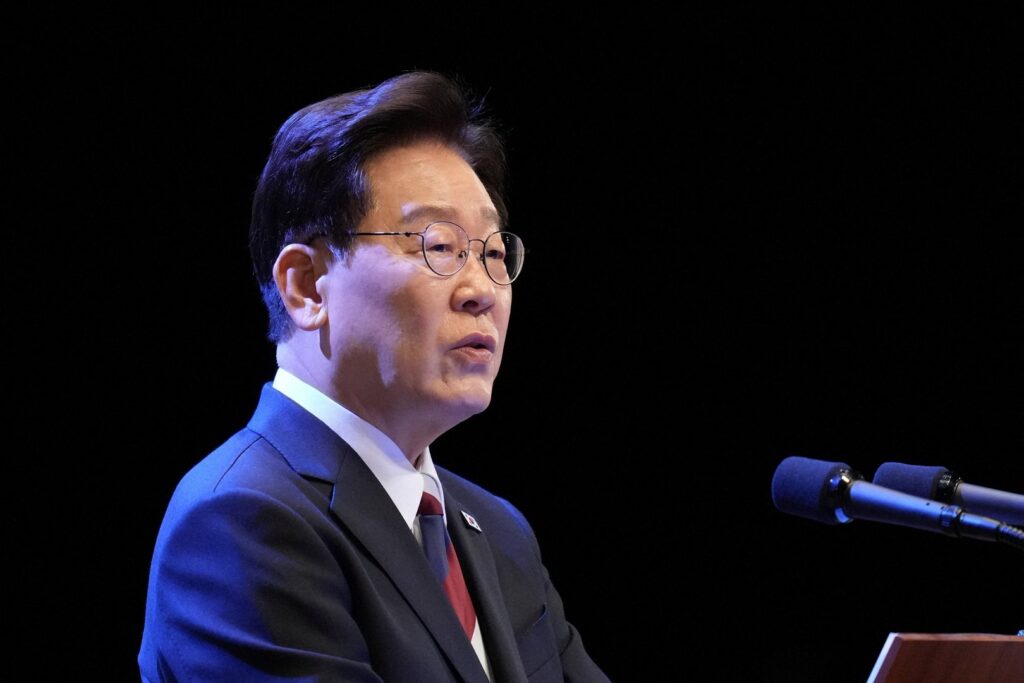
South Korean President Lee Jae Myung has formally extended a proposal for talks with North Korea aimed at bringing an official end to the Korean War. Although the conflict ceased with an armistice in 1953, a formal peace treaty was never signed, leaving the Korean Peninsula technically still at war. President Lee’s initiative seeks to transform this ceasefire into a lasting peace agreement, which could pave the way for improved diplomatic relations and regional stability.
The Korean War, which lasted from 1950 to 1953, was a devastating conflict that resulted in millions of casualties and deeply entrenched animosity between the North and South. Since the armistice, the two nations have operated separately, with periods of high tension and occasional dialogue attempts. President Lee’s proposal reflects a renewed push to break the deadlock and tackle longstanding issues such as denuclearization, border security, and humanitarian cooperation.
In his statement, President Lee emphasized the importance of dialogue and peaceful coexistence, urging North Korea to engage in direct talks without preconditions. The proposal has garnered attention both domestically and internationally, as many view it as a vital step toward achieving enduring peace on the peninsula.
Experts note that while overcoming decades of mistrust and differing ideologies poses significant challenges, the benefits of a formal peace treaty are substantial. It could open avenues for economic collaboration, cultural exchanges, and security assurances that would enhance prosperity and safety for both Koreas.
The international community has largely welcomed the idea, with neighboring countries and global powers expressing support for dialogue and peaceful resolution. However, skepticism remains about North Korea’s willingness to participate, given its historical ambivalence toward diplomatic overtures.
President Lee’s call for negotiations underscores South Korea’s commitment to peace and stability in the region. It also encourages global stakeholders to support an inclusive process that leads to a comprehensive resolution of one of the world’s longest-running conflicts.
As South Korea awaits North Korea’s response, the world watches closely, hopeful that this initiative might finally unlock a path toward reconciliation and lasting peace for the Korean Peninsula.