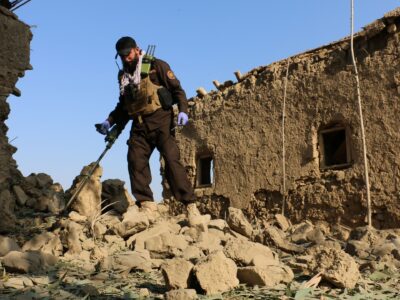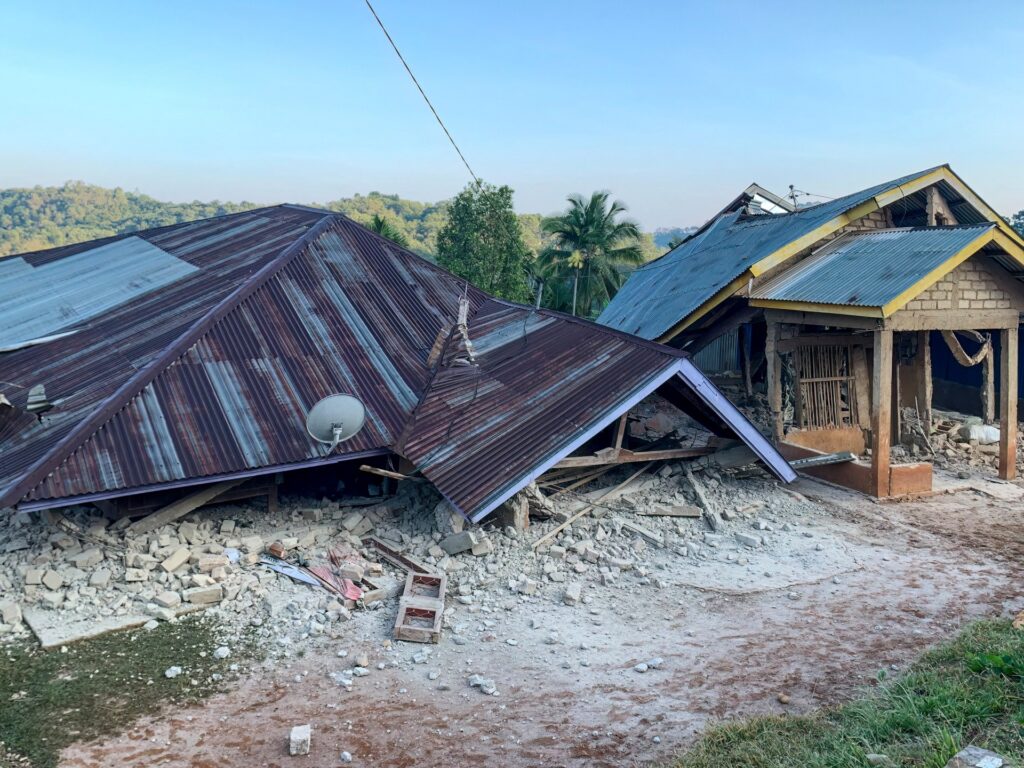
A powerful earthquake with a magnitude of 7.7 struck Indonesia, causing widespread devastation and resulting in at least 20 confirmed fatalities. The tremor, which hit the region with significant force, has left emergency responders racing against time to carry out search and rescue operations in affected areas. The death toll is expected to rise as rescuers continue their efforts to locate survivors trapped under collapsed buildings and debris.
Indonesia, positioned on the Pacific ‘Ring of Fire,’ is no stranger to seismic activity, making earthquakes a frequent natural hazard in the region. This recent quake is among the strongest in recent years, causing substantial damage to infrastructure and prompting urgent responses from local authorities and international aid organizations.
The earthquake’s epicenter was located offshore, near the western coast of the island, which exacerbated the impact and posed challenges for rescue teams. Authorities have issued warnings about possible aftershocks and advised residents to stay vigilant and follow safety instructions to minimize further harm.
The affected regions are experiencing disruptions in essential services such as electricity and water supply, complicating relief efforts. Hospitals in the affected areas are overwhelmed with the injured and are working tirelessly to provide medical care amidst the chaos.
Rescue teams have been deployed extensively, using specialized equipment and dogs to detect survivors under the rubble. Helicopters and boats have also been mobilized to reach remote and isolated areas inaccessible by road.
International aid agencies have expressed their readiness to support Indonesia in response to this disaster. Humanitarian organizations are coordinating with local authorities to deliver food, water, medical supplies, and temporary shelter to displaced populations.
The government has called for calm while assuring the public that every effort is being made to manage the crisis. Emergency shelters have been set up to accommodate those who have lost their homes, and psychological support teams are being organized to assist trauma victims.
This tragic event highlights the ongoing vulnerability of Indonesia to natural disasters and underscores the importance of preparedness and resilience measures to reduce casualties and mitigate damage. Experts advocate for improved infrastructure, stricter building codes, and enhanced early warning systems to better protect communities in the future.
As search and rescue operations continue, the nation mourns those lost and stands united in the face of this calamity, hoping for a swift recovery and strengthened readiness for future incidents.