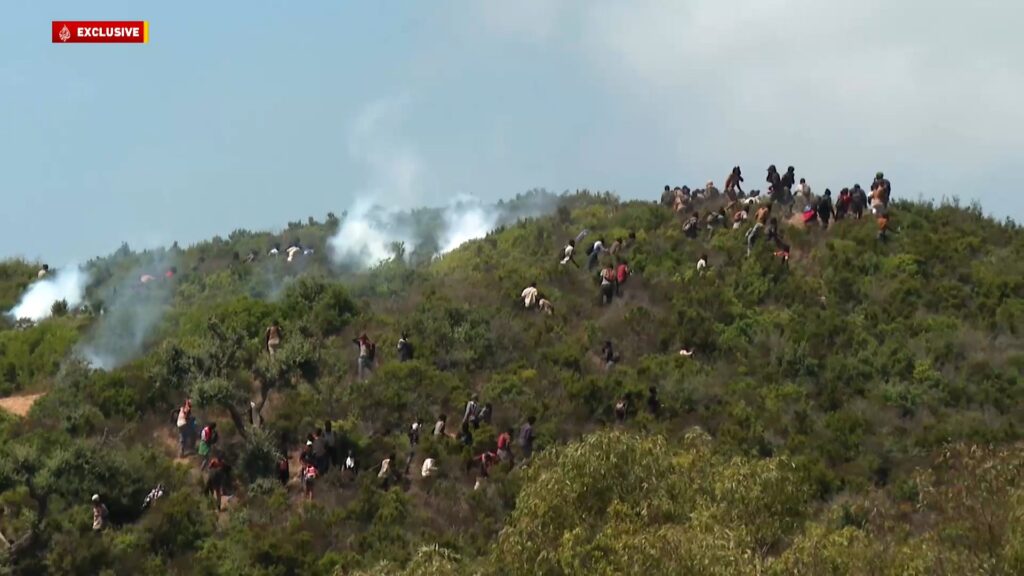
Security forces in the Moroccan town of Fnideq have increased their operations to intercept and prevent migrants from crossing into the Spanish enclave of Ceuta. This move comes amid ongoing challenges related to migration in the region, where Ceuta serves as a European gateway located on the northern coast of Africa. The Moroccan police have focused their efforts on key crossing points to thwart attempts by migrants seeking entry into Ceuta, a region known for presenting both opportunities and difficulties for those hoping to reach Europe.
The increased patrols and reinforced security measures in Fnideq represent a collaborative effort to manage migration flows and enhance border control effectiveness. Authorities have reported a rise in the number of attempted crossings, prompting heightened vigilance and readiness among security personnel. Additionally, these measures aim to address concerns related to humanitarian safety, as unauthorized crossings often pose significant risks to migrants.
Ceuta, alongside Melilla, Spain’s other North African enclave, has long been a hotspot for migration activity, with thousands attempting to cross its borders from neighboring Morocco. The geopolitical significance of these territories makes them focal points in broader migration and border management discussions between Morocco, Spain, and the European Union.
Officials have reiterated the importance of maintaining border integrity while emphasizing the necessity of ensuring humane treatment and support for migrants. Efforts include not only prevention of illegal crossings but also the provision of appropriate responses to migrants’ needs, including access to asylum procedures and humanitarian assistance where required.
The situation remains fluid, with authorities continuously adapting their strategies in response to migration patterns and emerging challenges. This ongoing operation in Fnideq highlights the complexity of migration issues in the region and underscores the importance of international cooperation to address the root causes driving migration as well as the immediate demands of border security.
As security forces continue their efforts, the international community watches closely, recognizing that the developments in Ceuta and surrounding areas have broader implications for migration policies, border security, and humanitarian concerns across Europe and Africa. The situation also calls for sustained dialogue among all stakeholders to find balanced and effective solutions that respect both security imperatives and human rights.