The World Health Organization (WHO) has revealed that the Ebola outbreak in the Democratic Republic of the Congo (DRC) actually began months before it was officially declared. Early cases of the disease were mistakenly diagnosed as malaria and typhoid, delaying vital interventions.
This delay in the accurate identification of Ebola cases hampered early containment efforts, allowing the virus to spread undetected. According to the WHO, symptoms of Ebola can mimic other common illnesses in the region, such as malaria and typhoid fever, which contributed to the initial misclassification of the illness.
The outbreak, which was formally announced only after the disease had aggressively spread, highlights the ongoing challenges faced by healthcare workers in recognizing and responding to Ebola swiftly.
This revelation by the WHO carries significant implications for epidemic preparedness and response strategies in the region. It underscores the importance of strengthening diagnostic capabilities at the community and healthcare facility levels to ensure early detection.
Experts emphasize the need for continuous training of healthcare providers to differentiate between symptoms of Ebola and other endemic diseases. Enhanced surveillance systems and quicker laboratory confirmations are equally critical components to curb such outbreaks sooner.
The DRC has battled multiple Ebola outbreaks in the past, learning valuable lessons in managing the disease. Nonetheless, this new information calls for renewed focus on improving epidemiological investigation and outbreak communication to prevent future delays.
International support and collaboration remain crucial in bolstering the DRC’s healthcare infrastructure. The WHO is working alongside local authorities to implement improved surveillance, case reporting, and community awareness programs.
The consequences of delayed detection are grave, as Ebola is a highly infectious viral disease with high mortality rates. Prompt diagnosis not only helps save lives but also limits the socio-economic impact on affected communities.
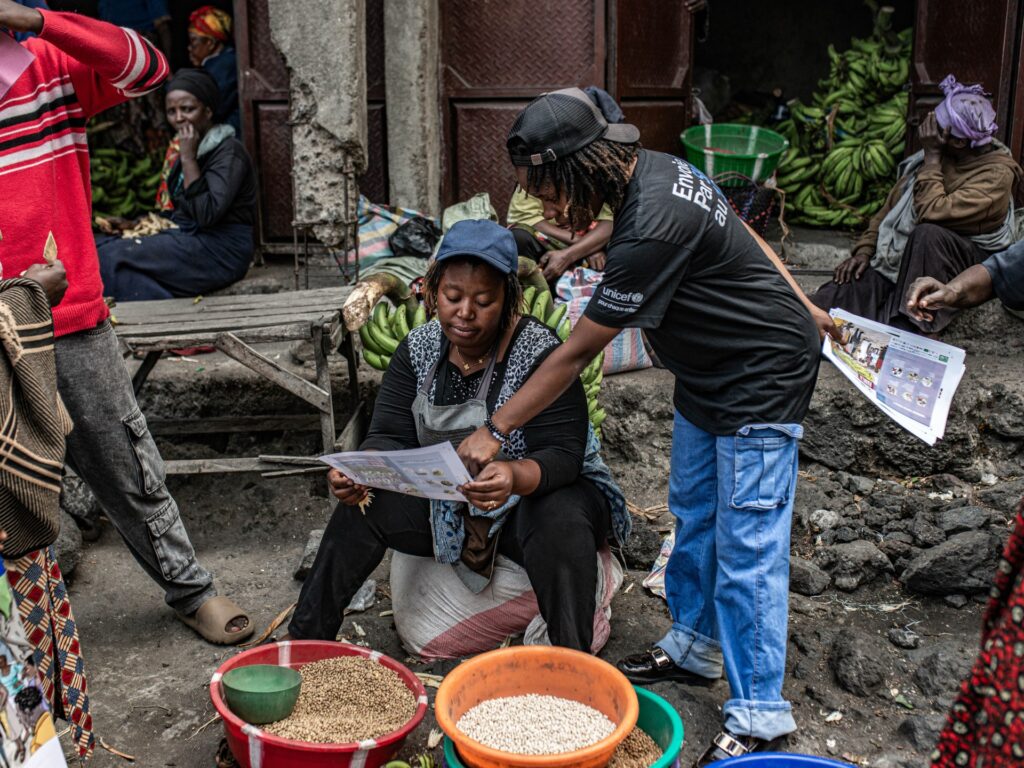
Moving forward, the WHO advocates for integrated disease surveillance systems that can identify atypical outbreaks early. Community engagement and education campaigns will also play a pivotal role in dispelling myths and encouraging timely medical consultations.
This new understanding reflects the complexity of managing infectious diseases in regions with overlapping health challenges. It calls on governments, local health systems, and global health organizations to enhance coordination and resource allocation.
In conclusion, acknowledging the delayed start of the Ebola outbreak in DRC serves as a critical lesson in epidemic preparedness. It highlights the necessity for improved diagnostic processes, stronger health systems, and proactive measures to detect and contain outbreaks at their earliest stages.
By addressing these gaps, the DRC and the international community can better protect vulnerable populations and mitigate the impact of future outbreaks.