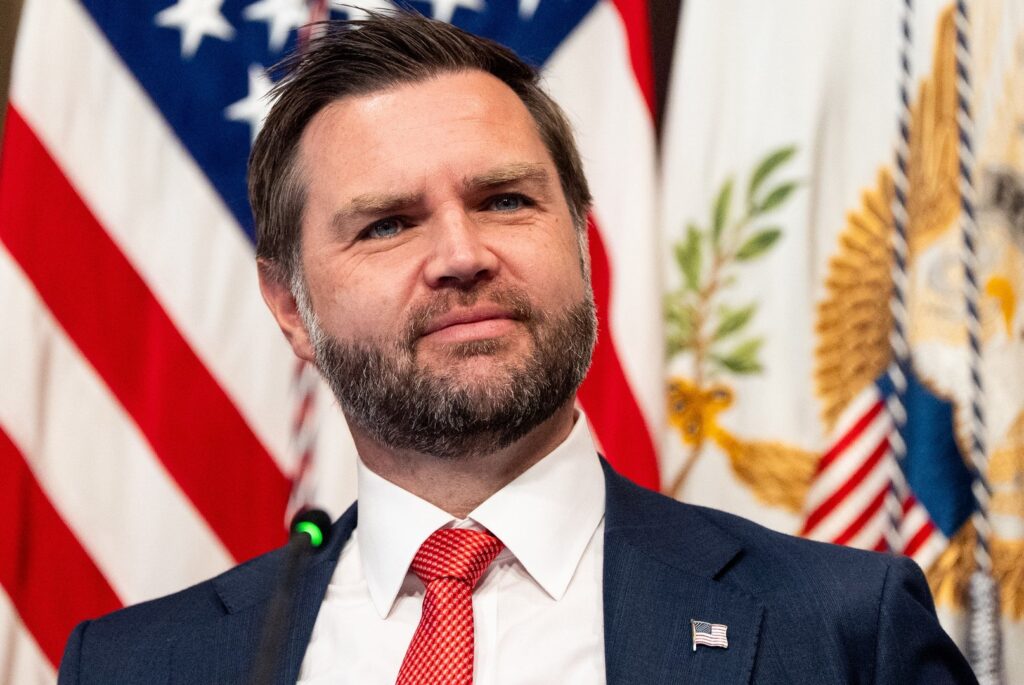
In a bold statement that has stirred considerable international attention, U.S. Vice President JD Vance recently asserted that the United States has “destroyed” Iran’s nuclear programme and significantly degraded its military capabilities. This declaration points to a shift in the narrative surrounding U.S. foreign policy and military strategy in the Middle East, symbolizing a potentially new phase in the persistent tensions between the two nations.
Vance’s comments were made during a press briefing where he outlined the efforts and operations undertaken by the United States to curb Iran’s nuclear ambitions. According to him, these efforts have been successful to the extent that Iran’s nuclear programme, which has been a point of concern for global security, stands effectively dismantled or severely compromised.
The U.S. stance, as articulated by Vance, emphasizes a strategic approach involving intelligence, targeted sanctions, and covert military interventions aimed at undermining Iran’s nuclear infrastructure and its capacity to develop weapon-grade nuclear material. The Vice President highlighted that these measures have not only stalled Iran’s nuclear progress but have also weakened its military machinery, reducing the threat it poses to regional stability.
Experts analyzing the implications of Vance’s statements suggest that while the U.S. may have made significant strides, the claim of completely “destroying” Iran’s nuclear programme should be viewed with caution. Iran has historically maintained resilience and ingenuity in advancing its nuclear ambitions despite international sanctions and diplomatic pressures.
The geopolitical context is crucial to understanding the gravity of this announcement. The U.S. and Iran have been at odds for decades, particularly following the 1979 Iranian Revolution and the subsequent hostage crisis. More recently, issues such as Iran’s nuclear deal (JCPOA), regional influence through proxy groups, and military engagements in Syria and Iraq have exacerbated tensions.
International reactions to Vance’s claim have been mixed. Some allies express support for the U.S.’s hardline position against Iran, viewing it as a necessary stance to prevent nuclear proliferation and safeguard allies in the Middle East. Conversely, others caution against overestimating the success of these efforts, warning that aggressive posturing could provoke further instability.
From a military perspective, degrading Iran’s capabilities reportedly involved precision strikes, intelligence-gathering operations, and enhanced cyber warfare tactics aimed at sabotaging nuclear facilities and command infrastructures. These actions have been part of a broader U.S. strategy that also includes diplomatic efforts to isolate Iran economically and politically.
The domestic implications within the United States are also significant. Vance’s strong rhetoric aligns with certain political factions advocating for a robust U.S. foreign policy that prioritizes national security and counters perceived adversaries with decisive actions. This approach resonates with constituents concerned about global threats from nuclear proliferation and regional conflicts.
Iran, for its part, has vehemently denied these allegations, maintaining that its nuclear programme is solely for peaceful purposes, including energy production and scientific research. Iranian officials have condemned the claims as “propaganda” and warned of retaliatory measures should the U.S. continue what they describe as aggressive interference.
This development comes at a time when diplomatic channels between Iran and Western nations remain strained, with intermittent talks attempting to revive the JCPOA or find new frameworks for nuclear disarmament and regional security.
In summary, Vice President JD Vance’s claim that the U.S. has destroyed Iran’s nuclear programme marks a significant moment in the ongoing saga of Middle Eastern geopolitics. It underscores the complexities of international nuclear diplomacy, the challenges of military intervention, and the intricate balance of power in a volatile region. As the situation develops, the global community remains watchful, hoping for resolutions that ensure peace and stability while preventing the spread of nuclear weapons.