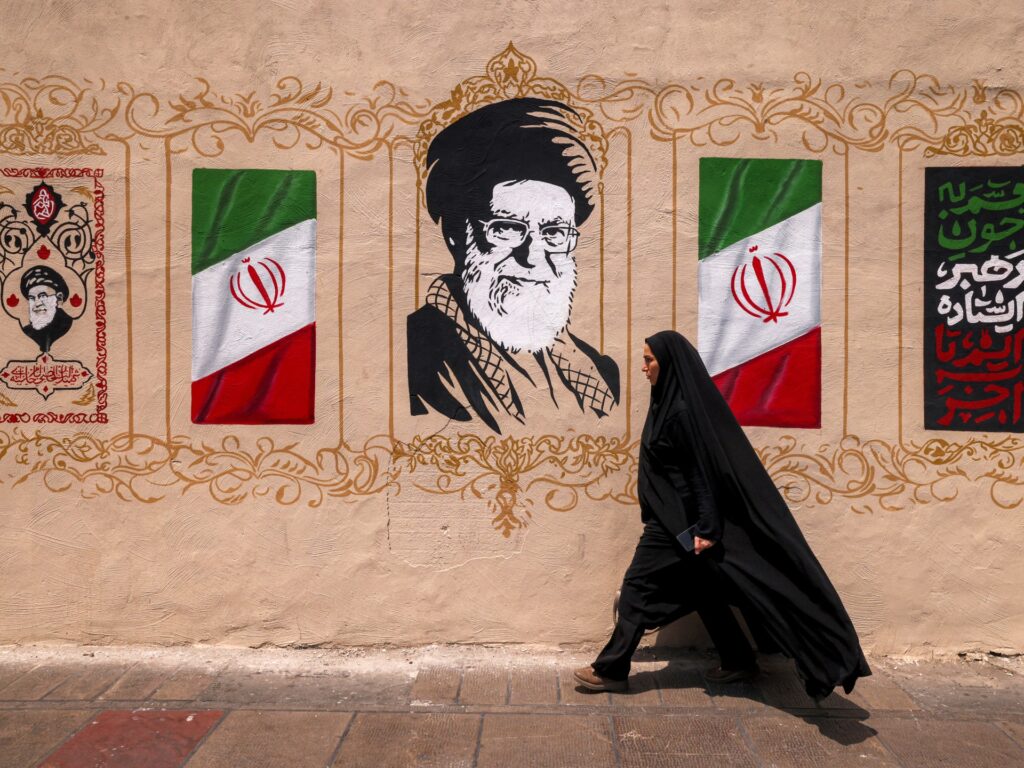
Tensions in the Strait of Hormuz have escalated as Iran’s Islamic Revolutionary Guard Corps (IRGC) announced specific conditions for reopening the crucial waterway, currently affected by a blockade that Tehran attributes to the United States. The Strait of Hormuz, a strategic chokepoint through which a significant portion of global oil shipments pass, has been a focal point of geopolitical conflict, drawing international attention due to its critical importance to global energy security.
Iran’s stance comes amid ongoing demands that the US lift its blockade, which Tehran claims is the primary obstacle to reopening the Strait. The blockade has resulted in disrupted maritime traffic and heightened security risks in the Gulf region. Iran insists that the US must end what it describes as aggressive policies and economic sanctions that have adversely affected shipping and regional stability.
The IRGC’s declaration outlines that reopening the Strait hinges on the cessation of US attacks on ships navigating these waters. This condition reflects the cyclical nature of confrontations in the area, where both sides accuse each other of provocations and hostile actions. The US, in turn, seeks assurances and commitments from Iran to halt attacks on commercial vessels and oil tankers transiting the waterway.
The situation remains highly volatile, with both Tehran and Washington locked in a stalemate. The international community watches closely, aware that any escalation could disrupt global energy markets and exacerbate geopolitical tensions. In recent weeks, incidents involving attacks on ships have increased, further complicating diplomatic efforts and raising concerns of potential broader military conflicts.
Analysts note that the Strait of Hormuz, located between Oman and Iran, is one of the world’s most vital maritime passages for oil transportation. Approximately 20% of the world’s petroleum passes through this narrow strait daily, underscoring the severe implications of any prolonged closure or conflict in the region.
Diplomatic channels remain open, with international stakeholders urging dialogue to reduce tensions and find a peaceful resolution. However, the conditions set by the IRGC emphasize Iran’s insistence on a withdrawal of US forces and an end to economic pressures before normal maritime operations can resume.
The broader context includes longstanding grievances over US sanctions targeting Iran’s economy, which Tehran argues have caused widespread hardship. The blockade and disruptions to shipping are seen by Iran as part of a broader economic warfare strategy designed to constrain its regional influence and military capabilities.
Efforts to mediate have been complicated by mutual distrust and the absence of direct diplomatic relations between Iran and the US. Nonetheless, international bodies and allied nations continue pushing for negotiations that could reopen the Strait and restore safe passage for commercial vessels.
In conclusion, the standoff over the Strait of Hormuz highlights the fragile nature of regional security and the interconnectedness of global energy markets. The IRGC’s conditions for reopening the strait reflect Tehran’s broader strategic objectives and underline the urgent need for diplomatic engagement to prevent further destabilization in a region critical to world commerce and energy supplies.