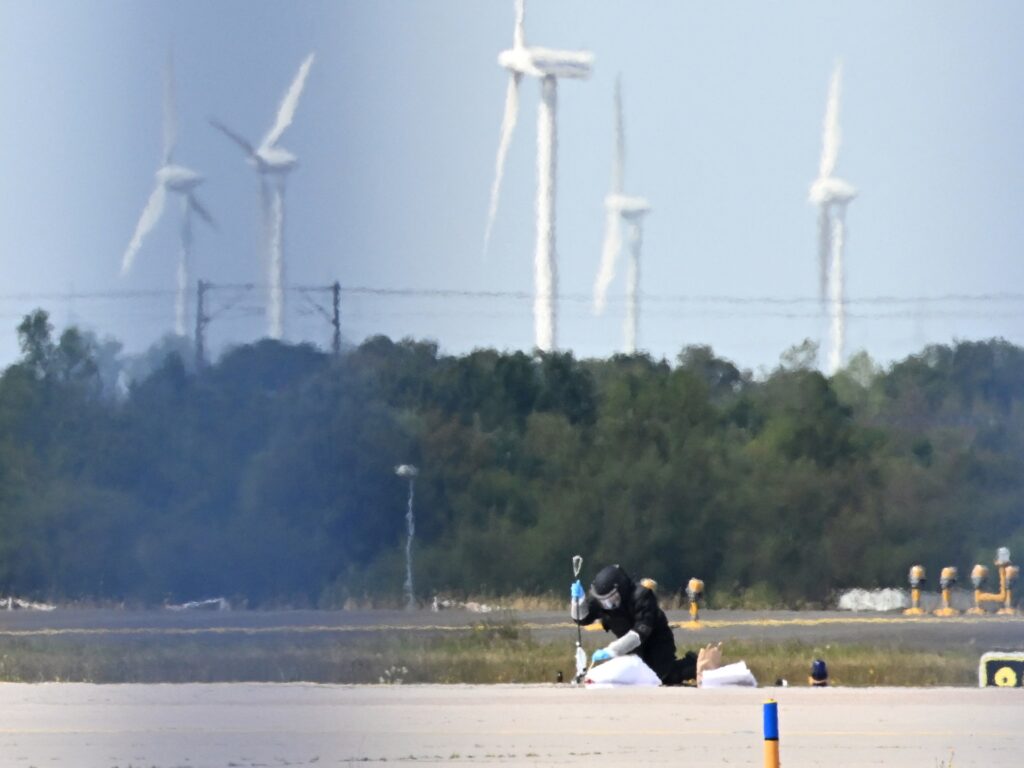
Recent sightings of drones in Bulgaria and Germany have sparked heightened alarm across Europe, fueling fears that Russia’s ongoing war in Ukraine is increasingly entangling NATO member states in the conflict. These drone incidents, which were reported in areas close to key military and strategic sites, underscore the rising tensions and the potential for the conflict to expand beyond Ukraine’s borders.
In Bulgaria, witnesses observed several drones flying near sensitive infrastructure, prompting swift responses from local security forces. Officials are investigating whether these drones were reconnaissance devices or carried potentially hostile payloads. The Bulgarian government has condemned the incidents as provocations that threaten regional stability.
Similarly, in Germany, drones were detected near military installations, raising concerns about the security and defense posture of NATO’s strongest member. German authorities have increased surveillance and tightened security protocols in response to these incursions. Experts warn that these occurrences may represent a new phase in Russia’s tactical operations, aiming to intimidate and test NATO’s resolve without triggering full-scale conflict.
The involvement of drones in these incidents is particularly worrying because they offer Russia a low-cost, high-impact method to conduct surveillance, gather intelligence, and potentially deliver small-scale attacks. This tactic complicates the efforts of NATO countries to respond proportionally without escalating tensions further.
European defense analysts highlight the drone movements as a signal of Moscow’s intent to project power and destabilize the region, using asymmetric threats rather than direct military confrontation. This strategy increases the risk of miscalculation, as any drone-related incident could be misinterpreted and escalate rapidly.
NATO has called for increased vigilance among member states and released statements condemning any violations of their sovereign airspace. The alliance emphasizes the importance of unity and preparedness in deterring further provocations by Russian forces.
The incidents come as NATO countries continue to support Ukraine with military aid and humanitarian assistance, aiming to bolster Kyiv’s defense capabilities against Russian aggression. However, the drone sightings in Bulgaria and Germany indicate that the conflict’s repercussions are spilling over into allied territories, potentially drawing the alliance deeper into direct confrontation.
Diplomatic efforts are underway to address these developments, with officials urging Moscow to respect international boundaries and reduce hostilities. However, given the current geopolitical climate, there is considerable skepticism about Russia’s willingness to de-escalate.
In summary, the appearance of drones in Bulgaria and Germany marks a concerning escalation in the conflict surrounding Ukraine. These incidents highlight the evolving nature of warfare, where unmanned systems play a key role in modern military strategy and pose new challenges to European security.
As Europe grapples with these threats, the situation underscores the urgent need for enhanced defense mechanisms, intelligence sharing, and robust diplomatic engagement to prevent further escalation and maintain regional stability.