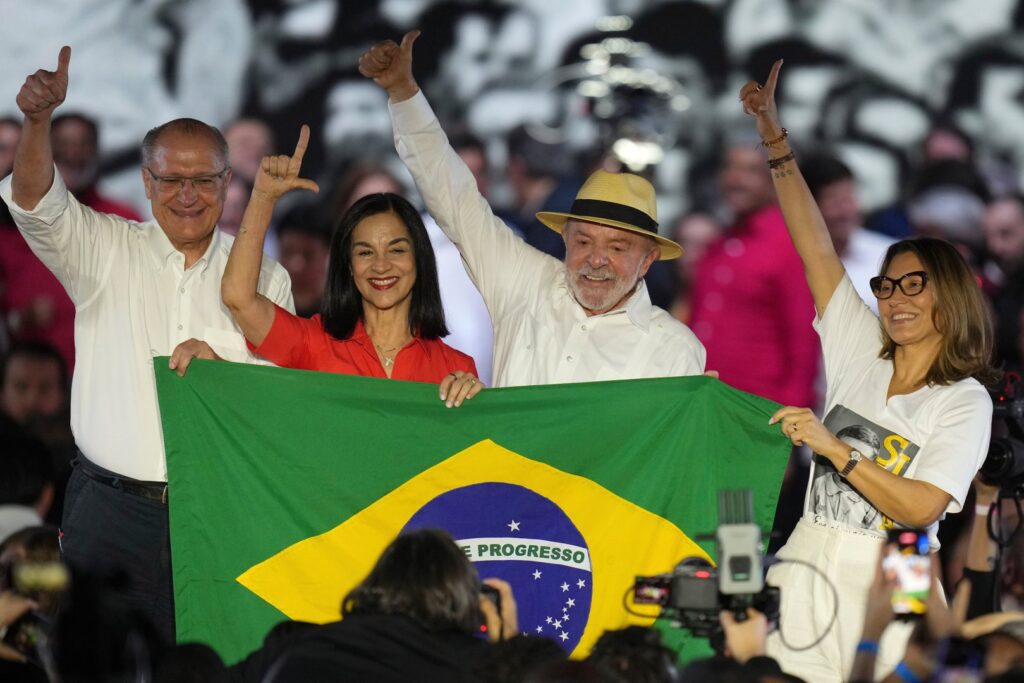
Brazil’s President Luiz Inácio Lula da Silva has officially launched his bid for reelection, marking a key moment in the country’s upcoming electoral cycle. Lula, a prominent figure in Brazilian politics and a former president, announced his campaign with a strong message aimed at solidifying his position and continuing his administration’s policies.
The announcement comes at a time when Brazil is facing significant internal challenges, including economic recovery, social inequality, and environmental issues. Lula’s campaign promises to address these topics with renewed vigor, focusing on inclusive growth and sustainable development.
However, the reelection bid is not without controversy. There are growing concerns about foreign interference in Brazil’s political process. Analysts suggest that external actors may attempt to influence the outcome of the elections through disinformation campaigns, cyber activities, or direct political pressure. These concerns have led to calls for heightened vigilance and stronger safeguards to protect the integrity of Brazil’s democratic institutions.
Lula’s political career has been marked by notable achievements and challenges. During his previous terms as president, Brazil saw significant progress in social programs and economic growth. Yet, his tenure was also marred by allegations of corruption and political turmoil.
Despite these hurdles, Lula remains a highly influential and polarizing figure in Brazilian politics. His reelection campaign is seen as a critical test of his enduring popularity and the effectiveness of his governance approach.
The international community is closely watching Brazil’s election, given the country’s geopolitical importance and its role in global environmental issues, particularly the Amazon rainforest.
In preparation for the elections, Brazil’s electoral authorities have been working to enhance security measures against cyber threats and misinformation. Collaboration with international partners is also being emphasized to monitor and counteract any attempts at foreign interference.
Lula’s campaign rallies have drawn large crowds, demonstrating his continued support base. His message emphasizes unity, social justice, and economic opportunity for all Brazilians.
Critics, however, warn that the campaign environment is becoming increasingly divisive and caution against any foreign manipulation that could compromise democratic fairness.
As the election date approaches, the stakes are high for Brazil’s future direction. Lula’s reelection bid symbolizes not only his determination to continue leading the nation but also the broader struggle to safeguard the democratic process against emerging global threats.
The election will be a pivotal moment for Brazil, reflecting both the resilience of its democracy and the challenges posed by international political dynamics.