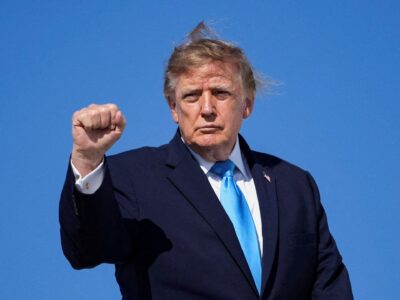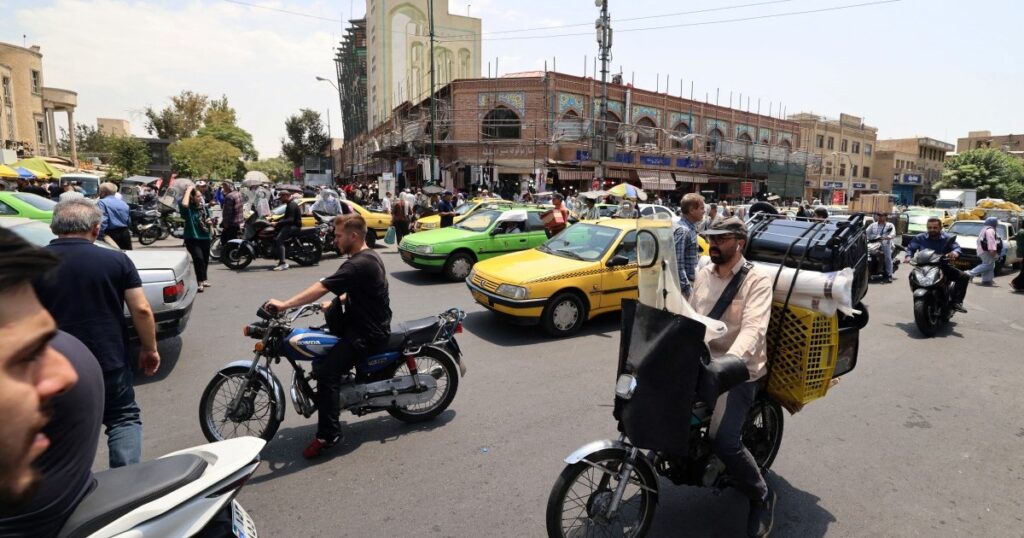
In a highly significant move amid escalating tensions in the Middle East, former U.S. President Donald Trump has canceled a planned attack on Iran. This decision comes after Iran’s top diplomat issued a strong warning of a ‘decisive response’ to any acts of aggression from the United States or Israel. The region has been on edge following a series of confrontations and alarming rhetoric between Tehran and Washington.
Trump’s call for a ‘rapid’ deal concerning the strategic Strait of Hormuz marks a shift from confrontation to negotiation. The Strait of Hormuz is a critical chokepoint through which a substantial portion of the world’s oil supply passes, making it a focal point for international security and economic stability.
The cancellation of the attack is perceived as an effort to de-escalate the already volatile situation. Sources close to the former president indicated that the decision was heavily influenced by intelligence reports and diplomatic communications that highlighted the potential for a wider conflict if military action were to proceed.
Iran’s top diplomat had emphasized that Tehran would respond decisively to any aggression by the US or Israel, underscoring Tehran’s readiness to defend its national interests vigorously. The warning raised concerns about the possibility of further military confrontations and heightened the urgency for diplomatic intervention.
In response, Trump’s administration has signaled an openness to dialogue, stressing the importance of securing peace and stability in the Gulf region. The call for rapid negotiations over Hormuz aims to reduce the risk of disruption in global oil markets and to avoid a broader conflict that could involve multiple countries.
International allies and experts have welcomed this shift, viewing it as a positive step toward reducing hostilities. The Strait of Hormuz has long been a flashpoint in Middle Eastern geopolitics, with previous incidents involving attacks on oil tankers and threats to close the waterway.
Analysts suggest that a swift agreement on Hormuz could pave the way for broader discussions around Iran’s nuclear program and regional security concerns. Such a deal could help ease sanctions and improve economic conditions both for Iran and neighboring countries.
Despite the cancellation, tensions remain fragile. Both sides continue to maintain strong military postures, and the international community remains watchful, urging all parties to avoid provocative actions.
The evolving situation highlights the complex interplay of diplomacy, military strategy, and economic interests in one of the world’s most strategically significant regions. The coming weeks will be critical in determining whether diplomacy can prevail over conflict in the Gulf.
In summary, Trump’s latest decision to cancel a military strike and push for a rapid deal over the Strait of Hormuz marks a pivotal moment in US-Iran relations. It offers a window of opportunity to avert a broader conflict and promote long-term stability in the Middle East.