In a recent escalation of the ongoing conflict, Israel launched air strikes in Gaza resulting in the deaths of eight individuals. This action followed the unveiling of a controversial disarmament plan for Hamas proposed by former U.S. President Donald Trump. The strikes targeted several homes in Gaza, intensifying concerns over civilian casualties and raising questions about the viability of diplomatic resolutions in the region.
Trump’s plan, which includes the disarmament of Hamas and a strategic withdrawal of Israeli forces, aims to bring lasting peace to the troubled area. However, the immediate response from Israel has been one of military assertiveness rather than diplomatic engagement, highlighting the complexities of implementing such a plan on the ground.
The plan advocates for a complete cessation of hostilities by Hamas, a group considered a terrorist organization by Israel and several other countries. It also suggests a phased withdrawal of Israeli troops from Gaza, contingent upon Hamas’s compliance. Critics argue that the plan overlooks the deep-seated mistrust and the multifaceted nature of the conflict.
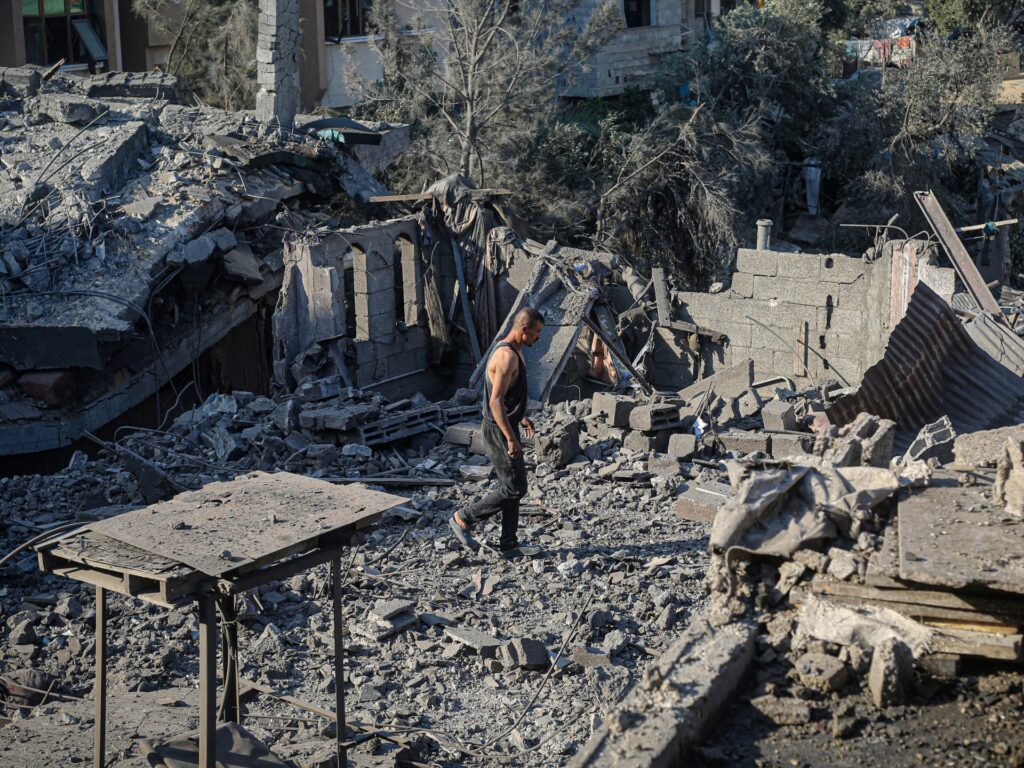
Following the announcement, Israeli forces conducted several air strikes in Gaza, stating that these were necessary to target militants and prevent attacks. The strikes resulted in the deaths of eight people, some of whom were civilians, according to local sources. Homes in densely populated areas were reportedly damaged or destroyed, exacerbating the humanitarian crisis in the region.
Human rights organizations have condemned the strikes, calling for restraint from all parties and emphasizing the need to protect civilians. The United Nations and other international bodies have also urged a diplomatic approach, warning that further violence could destabilize the entire region.
Residents of Gaza expressed fear and outrage, protesting the violence and the ongoing blockade that has severely limited access to essential goods and medical supplies. The strikes underscore the fragile nature of peace efforts and the urgent need for a sustainable and inclusive solution.
The U.S. administration has reiterated its support for Israel’s right to defend itself but also emphasized the importance of pursuing peaceful negotiations. Diplomatic channels remain open, with international mediators seeking to bridge the divide between the conflicting parties.
Observers note that the success of Trump’s disarmament plan hinges not only on military actions but also on addressing the underlying political, social, and economic issues that fuel the conflict. The path to peace requires mutual recognition, trust-building measures, and guarantees for the security and rights of all populations involved.
As Gaza remains in a state of tension, the international community watches closely, hoping for a de-escalation and a return to constructive dialogue that can lead to a comprehensive peace agreement.